
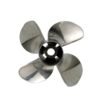
Quicksilver Q4 14.6″ Diameter X 19″ Pitch, 4-Blade Stainless Steel Propeller, Right Hand Rotation
€600.00
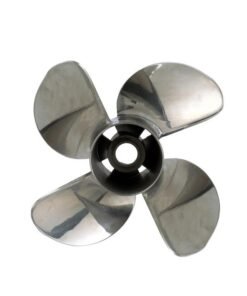
QUICKSILVER Q4 14.6″ Diameter X 19″ Pitch, 4-Blade Stainless Steel Propeller, Right Hand Rotation
The Q3 is a revolutionary propeller that improves both acceleration and top speed on center consoles, high-horsepower pontoons, and sterndrive powered runabouts. The design consists of high rake angles and thin blades resulting in the Q3 being the highest performing 3-blade propeller in the Quicksilver line-up.
Key Features
- 14.6″ diameter, 19″ pitch, right-hand rotation
- Stainless steel propeller
- Highest performing 3-blade propeller in the Quicksilver line-up
- Revolutionary prop that improves both acceleration and top speed
4 Blade Stainless Steel Propeller Quicksilver Q4 14.6″ Diameter x 19″ Pitch
4-Blade Stainless Steel Propeller – Right Hand Rotation
Selecting the right propeller often determines whether a boat merely moves or truly performs. While horsepower, hull design, and load distribution all matter, propulsion efficiency is ultimately defined at the prop. For that reason, the Quicksilver Q4 14.6″ Diameter x 19″ Pitch, 4-Blade Stainless Steel Propeller, Right Hand Rotation is engineered not simply as a replacement component, but as a performance upgrade built for reliability, control, and long-term value.
Rather than relying on marketing claims alone, this propeller is designed around real-world boating demands. Acceleration, grip in rough water, predictable handling, and durability under sustained load are prioritized. As a result, boaters who value confidence, consistency, and efficiency are better supported across a wide range of conditions.
Designed for Confident Control on the Water
Every outing on the water presents variables. Changing passenger loads, fluctuating fuel weight, variable sea states, and differing throttle demands all influence how a propeller performs. Consequently, a propeller that performs well only in ideal conditions often falls short in practical use.
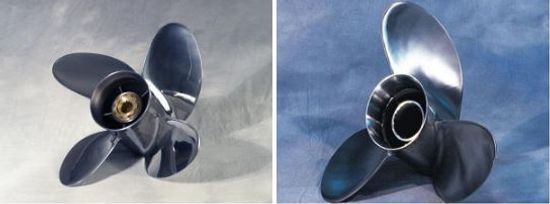
The Quicksilver Q4 addresses this challenge by leveraging a four-blade configuration, which is specifically chosen to enhance bite, improve stability, and reduce ventilation. Because more blade surface area remains engaged with the water, thrust is delivered more consistently—especially during acceleration and while maintaining plane at lower speeds.
As a result, control feels more predictable. Maneuvering in tight marinas becomes smoother. Mid-range cruising feels more efficient. Importantly, operator confidence is strengthened, particularly when conditions are less than ideal.
Precision-Engineered Dimensions That Matter
Understanding Diameter and Pitch
Although propeller specifications are often listed briefly, their implications are significant. Diameter and pitch directly influence engine load, boat speed, and overall efficiency. Therefore, careful tuning at this level can dramatically improve performance outcomes.
-
14.6-inch diameter allows for greater water displacement, which improves thrust and holding power.
-
19-inch pitch balances speed potential with torque demand, making it suitable for boats that need both responsive acceleration and efficient cruising.
Together, these dimensions are optimized to deliver strong hole-shot performance without sacrificing top-end efficiency. For many boaters, that balance is essential, particularly when boats are used for multiple purposes such as cruising, towing, or fishing.
Why a 4-Blade Propeller Makes a Difference
4 Blade Stainless Steel Propeller More Blades, More Control
Unlike traditional three-blade designs, four-blade propellers distribute load more evenly. This distribution results in smoother power transfer and reduced vibration. In practical terms, engine strain is minimized, and ride quality is improved.
Additionally, four-blade designs excel in maintaining plane at lower RPMs. Because of this, fuel efficiency during mid-range operation is often enhanced, especially when carrying heavier loads.4 Blade Stainless Steel Propeller
4 Blade Stainless Steel Propeller Performance Advantages You Can Feel
The Quicksilver Q4 is engineered to deliver tangible benefits that are noticeable from the first throttle input:
-
Faster planing with reduced bow rise
-
Improved grip in choppy or aerated water
-
Better handling during sharp turns
-
Reduced prop slip under load
Rather than chasing peak speed alone, this propeller emphasizes usable, repeatable performance—exactly where most boating time is spent.
Stainless Steel Construction for Long-Term Reliability
Material choice is not a cosmetic decision. Instead, it directly impacts strength, longevity, and performance consistency. Stainless steel is selected for the Quicksilver Q4 because it offers superior rigidity compared to aluminum alternatives.4 Blade Stainless Steel Propeller
Due to this rigidity, blade flex is significantly reduced. Consequently, the propeller maintains its designed shape under load, which helps preserve pitch integrity and efficiency at higher speeds. Over time, this translates into more consistent performance and fewer compromises.
Furthermore, stainless steel offers enhanced resistance to corrosion and impact damage. While no propeller is immune to underwater hazards, the added durability provides peace of mind when operating in demanding environments.4 Blade Stainless Steel Propeller
Right Hand Rotation Explained Clearly
Rotation direction is a critical compatibility factor that is often overlooked. The Quicksilver Q4 in this configuration is designed for right hand rotation, meaning it turns clockwise when viewed from behind the boat.
This rotation direction is standard for the majority of single-engine outboards and sterndrives. Therefore, compatibility is broad across many popular engine platforms. When installed correctly, engine torque, steering balance, and thrust alignment are preserved as intended by the manufacturer.4 Blade Stainless Steel Propeller
Ideal Use Cases and Boat Applications
Because performance needs vary, versatility is a key design goal. The Quicksilver Q4 is well-suited for a wide range of boating activities, making it an adaptable solution rather than a niche component.
Common applications include:
-
Recreational cruising boats requiring smooth, stable handling
-
Fishing boats that benefit from low-speed control and quick response
-
Family boats frequently operating with variable passenger loads
-
Watersports boats that need strong acceleration and grip
Across these scenarios, the propeller’s design supports both comfort and performance without forcing trade-offs.
Performance Characteristics That Separate Average From Exceptional
Performance is rarely defined by a single metric. Instead, it is shaped by how multiple variables—acceleration, efficiency, handling, and responsiveness—work together in real operating conditions. With the Quicksilver Q4 14.6″ Diameter x 19″ Pitch, 4-Blade Stainless Steel Propeller, Right Hand Rotation, those variables are intentionally balanced to support consistent outcomes rather than isolated peak numbers.4 Blade Stainless Steel Propeller
Rather than optimizing solely for top-end speed, this propeller focuses on usable power delivery. Consequently, everyday boating scenarios are improved, including launching from a stop, maintaining plane at moderate RPM, and holding grip when water conditions deteriorate.4 Blade Stainless Steel Propeller
Hole Shot Acceleration and Load Management
Faster Planing Without Excessive RPM
Acceleration from a dead stop—often referred to as hole shot—is one of the most noticeable areas where propeller design makes a difference. Because the Quicksilver Q4 utilizes four blades with increased blade area, water engagement is enhanced immediately upon throttle application.
As a result, the boat rises onto plane more quickly and with less bow lift. This characteristic is particularly valuable when operating with passengers, gear, or towing loads. Instead of forcing the engine to climb aggressively through the RPM range, thrust is delivered more efficiently.
Consistent Performance With Variable Weight
Boating conditions are rarely static. Passenger count changes. Fuel levels fluctuate. Equipment is added or removed. Under these circumstances, many propellers lose efficiency.
However, the Q4’s blade geometry helps maintain consistent bite even as load increases. Because of this, acceleration remains predictable, and throttle response feels controlled rather than strained. Over time, this consistency contributes to reduced driver fatigue and a more enjoyable experience for everyone onboard.
Mid-Range Efficiency: Where Most Time Is Spent
Lower RPM Planing Capability
While top speed often receives attention, the majority of boating occurs in the mid-range. Cruising, trolling, and steady travel typically happen at moderate RPM levels. Therefore, efficiency and stability in this range matter significantly.4 Blade Stainless Steel Propeller
The four-blade configuration allows the Quicksilver Q4 to hold plane at lower engine speeds. Consequently, fuel consumption during cruising can be optimized, particularly when compared to three-blade alternatives that require higher RPM to maintain lift.4 Blade Stainless Steel Propeller
4 Blade Stainless Steel Propeller Smoother Power Delivery
Because blade loading is distributed more evenly, vibration is reduced. That reduction is felt through smoother steering feedback and a quieter overall ride. Importantly, this smoothness is not limited to calm water; it remains noticeable when chop or aerated water is present.4 Blade Stainless Steel Propeller
4 Blade Stainless Steel Propeller Handling and Control in Challenging Conditions
Improved Grip in Rough or Aerated Water
Ventilation and cavitation are common issues when operating in rough water, sharp turns, or during aggressive maneuvers. When a propeller loses bite, control is compromised.
The Quicksilver Q4 is engineered to minimize these effects. With additional blade surface area maintaining contact with the water, grip is preserved even when conditions are less predictable. As a result, steering response remains linear, and throttle inputs feel more connected.
Enhanced Turning Stability
During tight turns, four-blade propellers tend to outperform three-blade designs. This advantage is especially relevant for boaters navigating narrow waterways, marinas, or towing activities that demand responsive handling.
Rather than slipping or breaking loose, the Q4 maintains thrust through the turn. Consequently, confidence increases, and corrective steering inputs are reduced.

4-Blade vs 3-Blade Propellers: A Practical Comparison
Where 4-Blade Designs Excel
Although three-blade propellers remain common, four-blade designs offer distinct advantages that align with real-world use cases.
Four-blade benefits include:
-
Faster and more controlled hole shot
-
Improved mid-range efficiency
-
Better grip in rough water
-
Reduced vibration and smoother ride
-
Enhanced handling under load
These benefits are particularly valuable for boaters who prioritize versatility and reliability over marginal gains in peak speed.
Understanding the Trade-Offs
It is important to note that, in some setups, a three-blade propeller may deliver slightly higher top-end speed. However, that advantage is often realized only under ideal conditions and light loads.
For many operators, the consistent performance and control offered by the Quicksilver Q4 outweigh the potential loss of a few miles per hour at wide-open throttle.
Stainless Steel vs Aluminum: Why Material Matters
Structural Integrity Under Load
Material selection plays a decisive role in how a propeller behaves at speed. Aluminum blades tend to flex under heavy load, which alters effective pitch and reduces efficiency.
By contrast, stainless steel maintains its shape. Because the Quicksilver Q4 is constructed from stainless steel, pitch integrity is preserved even at higher RPM. Consequently, performance remains consistent, and engine output is translated more effectively into forward motion.4 Blade Stainless Steel Propeller
Long-Term Value Considerations
While stainless steel propellers typically represent a higher initial investment, their durability often results in lower total cost of ownership. Resistance to corrosion, abrasion, and minor impacts helps extend service life.
Additionally, performance consistency over time reduces the need for frequent replacements or adjustments. For boaters seeking dependable long-term value, this material choice is strategically sound.4 Blade Stainless Steel Propeller
RPM Optimization and Engine Health
Matching Pitch to Engine Operating Range
The 19-inch pitch of this propeller is selected to support engines operating within their recommended RPM range. When pitch is matched correctly, engines run more efficiently and experience less mechanical stress.
Because the Q4 delivers strong thrust without forcing excessive RPM, engines are less likely to be overworked. Over time, this balance supports improved reliability and smoother operation.
Reduced Strain, Improved Longevity
Consistent load distribution and reduced vibration contribute positively to drivetrain health. Bearings, seals, and internal components benefit from smoother power transfer. Although these benefits may not be immediately visible, they accumulate with every hour of operation.
Performance Summary for Practical Decision-Making
To consolidate the performance discussion, the following points highlight what boaters typically experience after switching to the Quicksilver Q4:
-
Quicker, more controlled acceleration
-
Improved cruising efficiency at moderate speeds
-
Stronger grip during turns and rough water
-
Reduced vibration and smoother handling
-
Consistent performance across varying loads
Each of these outcomes supports a boating experience that feels more refined and predictable.
Compatibility, Applications, and Buyer-Focused Selection Guidance
Choosing a propeller is not only about performance characteristics. Just as importantly, compatibility with the boat, engine, and intended usage must be carefully evaluated. In this context, the Quicksilver Q4 14.6″ Diameter x 19″ Pitch, 4-Blade Stainless Steel Propeller, Right Hand Rotation is engineered to meet a wide range of real-world requirements while remaining easy to integrate into existing setups.
Because incorrect propeller selection can lead to inefficiency, engine stress, or disappointing results, this section is designed to provide clarity and confidence for inclusive decision-making.
Engine and Drivetrain Compatibility Explained
Right Hand Rotation Alignment
This propeller is designed for right hand (clockwise) rotation, which is the standard configuration for most single-engine outboards and sterndrives. When matched correctly, rotational alignment ensures that thrust direction, steering balance, and torque compensation function as intended.
As a result, handling remains predictable, and no corrective steering effort is introduced unnecessarily. This alignment is particularly important for operators who value smooth, fatigue-free control during extended outings.
Matching Horsepower and Gearcase Requirements
Although propeller dimensions are fixed, their effectiveness depends on proper pairing with engine horsepower and gear ratios. The 14.6-inch diameter and 19-inch pitch are commonly selected for mid-range horsepower engines that benefit from balanced acceleration and cruising efficiency.
When installed on compatible engines, RPM levels typically fall within manufacturer-recommended operating ranges. Consequently, engine efficiency is preserved, and long-term mechanical reliability is supported.
Boat Type Applications and Use Scenarios
Fishing Boats and Angling Setups
Fishing often demands precise low-speed control, especially when maneuvering near structure or maintaining position in current. The four-blade configuration of the Quicksilver Q4 enhances thrust consistency at lower speeds, which supports smoother adjustments and improved boat control.
Additionally, quicker planing with minimal bow rise improves visibility when transitioning between fishing locations. For anglers carrying gear, coolers, and additional passengers, load-handling capability becomes a meaningful advantage.
Family and Recreational Cruising
For recreational boating, comfort and predictability are often prioritized. Because the Q4 delivers smoother acceleration and reduced vibration, onboard experience is noticeably refined. Passengers benefit from steadier motion, while operators enjoy responsive yet controlled throttle behavior.
Moreover, the ability to maintain plane at lower RPM contributes to quieter cruising and improved fuel economy—both of which enhance longer trips.
Watersports and Towing Activities
When towing skiers, wakeboarders, or inflatables, strong hole shot performance is essential. The added blade area of a four-blade propeller improves grip during initial acceleration, reducing time to plane even under towing load.
As a result, pull strength feels more immediate, and throttle modulation becomes easier. This responsiveness supports safer, more enjoyable watersports sessions for participants of varying experience levels.
How This Propeller Supports Inclusive Boating Needs
Designed for Variable Skill Levels
Not every operator approaches boating with the same experience. Therefore, a propeller that delivers predictable, forgiving behavior can benefit both seasoned captains and newer boaters.
Because the Quicksilver Q4 minimizes sudden slip and uneven thrust delivery, learning curves are softened. Operators can focus on situational awareness rather than constantly correcting for unpredictable propulsion behavior.
Adaptable Across Changing Conditions
Inclusive design also considers changing environmental factors. Wind, chop, and current affect boats differently depending on load and hull design. The Q4’s enhanced grip helps maintain control across these variables, ensuring that a wide range of users feel confident regardless of conditions.4 Blade Stainless Steel Propeller
Installation Considerations and Best Practices
Proper Fitment and Hardware
Correct installation is essential to achieving optimal performance. Shaft spline compatibility, hub selection, and torque specifications must align with engine requirements. When these factors are addressed, vibration is minimized, and power transfer remains efficient.4 Blade Stainless Steel Propeller
Although professional installation is recommended for those unfamiliar with propeller setup, experienced operators will find the process straightforward when proper guidelines are followed.4 Blade Stainless Steel Propeller
Break-In and Initial Performance Checks
After installation, performance should be evaluated during initial runs. Monitoring RPM at wide-open throttle, observing acceleration behavior, and checking for abnormal vibration help confirm that the propeller is properly matched.
Because the Q4 is designed for consistency, deviations from expected performance often indicate setup issues rather than design limitations.
Common Buyer Mistakes This Propeller Helps Avoid
Propeller selection errors are common, particularly when decisions are made based solely on speed expectations. The Quicksilver Q4 helps mitigate several frequent pitfalls:
-
Choosing excessive pitch that overloads the engine
-
Selecting aluminum props that flex under real-world load
-
Prioritizing top-end speed over usable performance
-
Underestimating the value of four-blade stability
By addressing these issues proactively, this propeller supports informed, confident purchasing decisions.

Summary: Matching Performance to Purpose
Rather than forcing users to adapt their boating style to the propeller, the Quicksilver Q4 adapts to how boats are actually used. Whether the priority is fishing precision, family comfort, or towing performance, the design supports those needs without unnecessary complexity.
Key takeaways for buyers include:
-
Broad compatibility with common right hand rotation setups
-
Versatility across multiple boat types and activities
-
Predictable handling for inclusive user confidence
-
Strong balance between acceleration, efficiency, and control
These attributes collectively reinforce the propeller’s value as a practical, performance-oriented solution.
Be the first to review “Quicksilver Q4 14.6″ Diameter X 19″ Pitch, 4-Blade Stainless Steel Propeller, Right Hand Rotation”
Related products
Propeller 4 Blade
Quicksilver Q4 14.6″ Diameter x 19″ Pitch 4-Blade Stainless Steel Propeller – Left-Hand Rotation
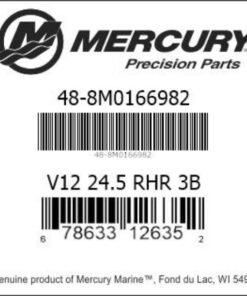
Right Hand Rotation
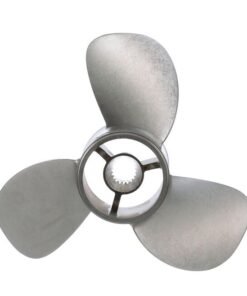
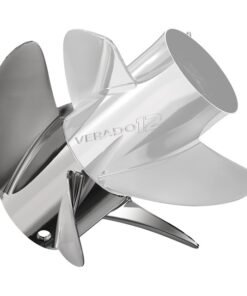
VERADO 12 24.5 PITCH MERCURY RH 3-BLADE REAR PROPELLER 48-8M0166982
Propeller 4 Blade
Quicksilver Q4 14.6″ Diameter X 19″ Pitch, 4 Blade Stainless Steel Propeller, Left Hand Rotation
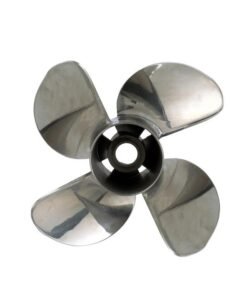
Right Hand Rotation
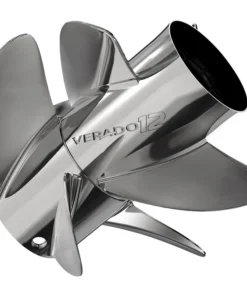
VERADO12 29 PITCH MERCURY RH 3 BLADE REAR PROPELLER 48-8M0166988
Mercury PROPELLER
Mercury Verado12 Front Propeller 24.5″ Pitch Left-Hand 4-Blade Stainless Steel Polished 8M0166981
Propeller 3 Blade
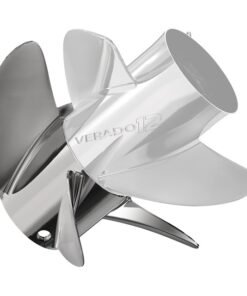
Verado12 (27.5″) MERCURY RH 3 Blade Rear Propeller 48-8M0166986
Reviews
There are no reviews yet.