
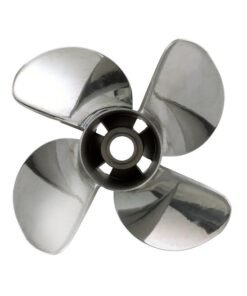
Quicksilver Q4 14.6″ Diameter X 21″ Pitch, 4-Blade Stainless Steel Propeller, Left Hand Rotation
€600.00
QUICKSILVER Q4 14.6″ Diameter X 21″ Pitch, 4-Blade Stainless Steel Propeller, Left Hand Rotation
The Q3 is a revolutionary propeller that improves both acceleration and top speed on center consoles, high-horsepower pontoons, and sterndrive powered runabouts. The design consists of high rake angles and thin blades resulting in the Q3 being the highest performing 3-blade propeller in the Quicksilver line-up.
Key Features
- 14.6″ diameter, 21″ pitch, left-hand rotation
- Stainless steel propeller
- Highest performing 3-blade propeller in the Quicksilver line-up
- Revolutionary prop that improves both acceleration and top speed
Engineered to Elevate Control, Confidence, and On-Water Performance
Performance expectations evolve. As boating applications become more demanding, propeller engineering must advance accordingly. Designed with that reality in mind, the Quicksilver Q4 14.6 Diameter × 21 Pitch, 4-Blade Stainless Steel Propeller, Left Hand Rotation delivers a refined balance of power transfer, vessel control, and long-term durability. Rather than focusing on a single performance metric, this propeller supports a broad spectrum of real-world boating needs, including acceleration, handling precision, and load stability.
Built by Quicksilver, a brand trusted globally for marine propulsion components, the Q4 series reflects a commitment to engineering consistency and user-centric design. Through careful blade geometry and material selection, this model supports boaters who value predictability, responsiveness, and mechanical efficiency across varied operating conditions.
Why the Quicksilver Q4 14.6 × 21 Exists
A Purpose-Driven Design for Modern Boaters
Boaters today demand more than simple propulsion. Increased onboard equipment, diverse passenger loads, and mixed-use boating require propellers that adapt without compromise. To meet those expectations, the Q4 4-blade configuration was developed to improve thrust distribution while reducing slip during acceleration and cruising.
Rather than relying on theoretical gains alone, this propeller emphasizes usable performance. Smooth planing, enhanced mid-range grip, and consistent steering authority are prioritized, ensuring that every outing—whether recreational or utility-focused—feels controlled and efficient.
Key Product Identity at a Glance
Optimized Specifications for Balanced Performance
Highlighted Product Specifications
-
Diameter: 14.6 inches
-
Pitch: 21 inches
-
Blade Count: 4 precision-formed blades
-
Material: Premium stainless steel
-
Rotation: Left hand (counter-rotating applications)
-
Application: Outboards and sterndrives requiring enhanced grip and load handling
Each specification works in coordination rather than isolation. Diameter supports torque transfer, pitch governs speed potential, blade count improves lift and stability, and stainless steel construction ensures structural integrity under demanding conditions.
The Advantage of a 4-Blade Stainless Steel Configuration
More Than an Incremental Upgrade
Compared to traditional 3-blade propellers, a 4-blade stainless steel design introduces tangible operational benefits. Additional blade surface area improves water engagement, which in turn enhances thrust consistency. As a result, boats experience reduced ventilation during sharp turns and improved tracking in rougher water.
Additionally, stainless steel construction maintains blade shape under load. Unlike aluminum alternatives, flex is minimized, allowing engine power to be translated into forward motion more efficiently. Over time, this rigidity contributes to predictable performance and reduced long-term replacement cycles.
Designed for Inclusive Boating Applications
Supporting a Wide Range of Use Cases
This propeller is suitable for a diverse boating audience. Whether the priority involves family cruising, fishing setups with added gear, or commercial utility demands, the Quicksilver Q4 14.6 × 21 accommodates varied operating profiles. Inclusive engineering ensures that both experienced operators and newer boaters benefit from improved handling characteristics without requiring advanced tuning knowledge.
By focusing on usability as much as output, this model supports confidence at the helm, particularly when navigating variable loads or changing water conditions.
Buyer Intent Alignment: Performance Without Complexity
A Practical Upgrade with Immediate Impact
For buyers seeking a measurable improvement without introducing operational complexity, this propeller presents a clear value proposition. Installation follows standard fitment practices, while performance gains are immediately noticeable. Acceleration feels smoother. Steering response becomes more predictable. Overall ride quality improves without sacrificing top-end efficiency.
Importantly, the design does not assume niche performance use only. Instead, it aligns with everyday boating realities, making it a practical upgrade rather than a specialized experiment.
Where Engineering Precision Translates into Real Performance
Hydrodynamic efficiency is not accidental. Instead, it is achieved through deliberate design decisions that govern how water is displaced, compressed, and redirected. With the Quicksilver Q4 14.6 Diameter × 21 Pitch, 4-Blade Stainless Steel Propeller, Left Hand Rotation, each blade is engineered to work cohesively rather than independently. Consequently, power delivery becomes smoother, predictable handling is reinforced, and propulsion efficiency improves across a wide RPM range.
Manufactured by Quicksilver, this propeller reflects a design philosophy focused on control under load, not peak speed at the expense of stability.
Understanding Blade Geometry
How Shape Dictates Performance Outcomes
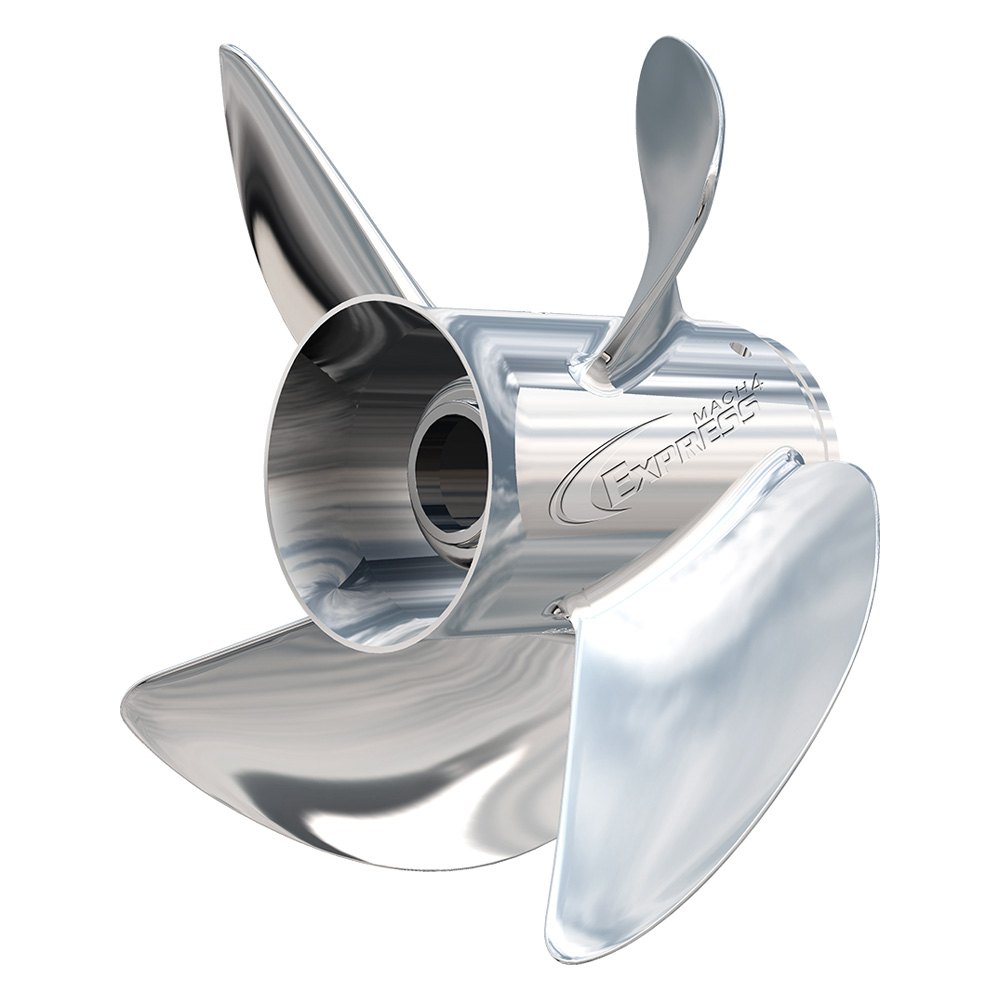
Blade geometry determines how efficiently engine torque converts into forward thrust. With the Q4, geometry refinement occurs across multiple dimensions, including rake angle, cup profile, blade thickness, and edge contouring. Each parameter plays a role in how water flows across the blade surface.
Rather than prioritizing aggressive top-end geometry, the Q4 balances lift generation with drag reduction. As a result, boats experience confident acceleration without excessive cavitation or slip.
Diameter and Pitch Working in Tandem
Why 14.6 × 21 Is a Balanced Performance Ratio
Diameter and pitch are often misunderstood when evaluated separately. In reality, both measurements must be assessed together. A 14.6-inch diameter provides sufficient blade surface area to maintain grip under load, while a 21-inch pitch allows efficient forward travel per rotation.
Because these dimensions are matched intentionally, engine strain is reduced during hole shot while cruising RPM remains within optimal operating ranges. Consequently, fuel efficiency and mechanical longevity are supported without sacrificing responsiveness.
The Hydrodynamic Role of Four Blades
Increased Water Contact, Reduced Instability
Adding a fourth blade increases the total wetted surface area interacting with water. While this may appear counterintuitive for speed-focused buyers, the real-world benefit lies in traction consistency. With more blade area engaged at any given moment, thrust remains continuous rather than cyclical.
This design choice improves:
-
Mid-range acceleration
-
Low-speed maneuverability
-
Stability during sharp turns
-
Tracking in rough or aerated water
As a result, steering corrections feel controlled rather than reactive, particularly when navigating wakes or cross-chop conditions.
Cup and Rake Optimization
Holding Water Where It Matters Most
Blade cup plays a critical role in preventing ventilation. By incorporating a progressive cup toward the trailing edge, the Q4 maintains water adhesion during acceleration and cornering. Meanwhile, moderate rake angles help lift the bow without excessive trim input.
Because lift characteristics are balanced rather than exaggerated, boats remain level during planing transitions. That stability directly contributes to passenger comfort and operator confidence.
Stainless Steel as a Performance Multiplier
Structural Integrity Under Load
Material choice influences blade behavior more than many realize. Stainless steel maintains its shape under torque, preventing flex that can reduce effective pitch. Therefore, engine output is translated into forward motion more efficiently.
Compared to aluminum alternatives, stainless steel offers:
-
Reduced blade deformation
-
Enhanced impact resistance
-
Longer service life
-
Consistent performance over time
Through rigidity and durability, stainless steel ensures that the engineered geometry remains intact throughout demanding operating cycles.
Left Hand Rotation Explained
Precision for Counter-Rotating Setups
Left hand rotation propellers are critical in twin-engine and counter-rotating applications. By spinning counterclockwise, this propeller balances steering torque and improves straight-line tracking. When paired correctly, helm effort decreases and directional stability increases.
For boats designed with counter-rotation in mind, correct rotation selection is not optional. Instead, it is fundamental to achieving optimal handling symmetry and drivetrain efficiency.

Real-World Handling Benefits
Designed for Everyday Conditions, Not Just Ideal Water
Laboratory efficiency matters. However, boating rarely occurs in controlled environments. Chop, load variation, and operator input all affect performance. Because of its geometry and blade count, this propeller adapts effectively to these variables.
Expect:
-
Reduced bow rise during acceleration
-
Improved grip during aggressive turns
-
Predictable response at cruising speeds
-
Stable operation under mixed passenger and gear loads
Rather than demanding constant adjustment, the propeller supports intuitive handling, making it suitable for inclusive boating experiences.
Turning a High-Performance Component into a Seamless Upgrade
A performance propeller delivers its full value only when compatibility and installation are handled correctly. With the Quicksilver Q4 14.6 Diameter × 21 Pitch, 4-Blade Stainless Steel Propeller, Left Hand Rotation, fitment confidence is built into the design process. Rather than requiring specialized modifications, this model integrates smoothly into common marine propulsion systems, making it accessible to a wide range of boaters.
Produced by Quicksilver, this propeller benefits from standardized engineering tolerances and well-documented application support, ensuring predictable outcomes once installed.
Engine and Drive Compatibility
Designed to Integrate with Popular Power Platforms
This propeller is engineered for compatibility with select outboard and sterndrive configurations that require a 14.6 × 21, left-hand rotation setup. Because Quicksilver adheres to industry-standard hub and spline dimensions, integration is straightforward when matched to the correct drivetrain.
Typical Compatibility Considerations
-
Counter-rotating twin-engine setups
-
Select high-horsepower outboards
-
Sterndrives requiring left-hand rotation
-
Applications where increased blade grip is beneficial
Before installation, verifying engine model, horsepower range, and rotation requirement ensures optimal results and prevents drivetrain imbalance.
Hub System and Mounting Interface
Precision Fit Without Permanent Modification
The Q4 utilizes a modular hub system that isolates drivetrain shock while maintaining secure power transfer. This approach protects the gearbox from sudden torque spikes and reduces vibration transmission through the drive system.
Key Hub Benefits
-
Dampens shock loads during gear engagement
-
Simplifies installation and removal
-
Protects drivetrain components
-
Enhances overall ride smoothness
Because the hub is designed to be serviceable, long-term maintenance costs are reduced, and component longevity is extended.
Installation Best Practices
Straightforward Steps with Professional Outcomes
Installation does not require specialized tools beyond standard marine equipment. By following manufacturer-recommended torque values and hardware sequences, most operators can complete installation efficiently.
Recommended Installation Checklist
-
Confirm left-hand rotation requirement
-
Inspect prop shaft for damage or debris
-
Install hub components in correct order
-
Torque prop nut to specification
-
Secure with appropriate locking device
After installation, a brief water test validates correct seating and confirms vibration-free operation.
Selecting the Correct Pitch and Diameter
Ensuring Engine Efficiency and Longevity
While the 21-inch pitch is optimized for balanced performance, pitch selection should always align with engine RPM targets. This configuration typically supports engines operating within their recommended wide-open-throttle range under normal load conditions.
If engines struggle to reach target RPM, pitch adjustment may be necessary. Conversely, consistently exceeding RPM limits suggests a higher pitch may be required. Matching propeller load to engine output protects mechanical components and ensures sustained performance.Quicksilver Q4
Performance Tuning Considerations
Fine-Tuning Without Complexity
Unlike racing or specialty propellers, the Q4 is designed to perform optimally without extensive tuning. Trim adjustments, weight distribution, and engine height fine-tuning can further enhance results, although noticeable improvements are typically achieved immediately after installation.Quicksilver Q4
Because handling improvements occur across low, mid, and cruising speeds, tuning efforts focus on comfort and efficiency rather than correcting instability.
Confidence for First-Time Upgraders
Inclusive Design for Diverse Experience Levels
This propeller is engineered with inclusivity in mind. Whether upgrading from an aluminum propeller or replacing a worn stainless model, users benefit from predictable behavior and immediate feedback. Technical expertise is not a prerequisite for appreciating the performance gains.
By minimizing installation friction and reducing post-installation adjustments, the Q4 supports confidence at every stage of ownership.
Translating Engineering into Everyday On-Water Advantages
Specifications matter. However, confidence is earned on the water. The Quicksilver Q4 14.6 Diameter × 21 Pitch, 4-Blade Stainless Steel Propeller, Left Hand Rotation is engineered to deliver tangible benefits in the conditions boaters encounter most often. Rather than excelling only in ideal scenarios, performance consistency is maintained across changing loads, water states, and operating speeds.
Developed by Quicksilver, this propeller emphasizes usable gains that enhance both enjoyment and operational efficiency.
Acceleration and Hole Shot Performance
Faster Planing with Controlled Bow Rise
Acceleration characteristics define the first impression of any propeller upgrade. With four blades actively engaging the water, thrust delivery becomes immediate and sustained. As a result, boats transition onto plane more quickly, even when carrying additional passengers or gear.Quicksilver Q4
Rather than excessive bow lift, acceleration remains level and controlled. This behavior improves visibility from the helm and enhances passenger comfort during takeoff.
Quicksilver Q4 Observed Acceleration Benefits
-
Reduced time to plane
-
Lower RPM strain during takeoff
-
Consistent thrust under load
-
Improved control in confined waterways
Mid-Range Performance and Cruising Stability
Where Most Boating Actually Occurs
Cruising speeds represent the majority of on-water operation. At these ranges, the Q4 demonstrates its strongest advantages. Because blade engagement remains constant, throttle input feels linear and predictable. Small adjustments result in smooth speed changes rather than abrupt surges.
This stability supports relaxed cruising, towing activities, and extended run times without constant trim correction.
Load Carrying and Weight Sensitivity
Designed for Passengers, Gear, and Versatility
Many propellers lose efficiency as weight increases. In contrast, the Q4 maintains grip when displacement rises. Additional blade surface area compensates for heavier loads, ensuring that performance degradation remains minimal.
Whether transporting family, fishing equipment, or work-related cargo, handling remains confident. As a result, inclusive boating experiences are supported without requiring multiple propeller swaps for different activities.
Rough Water and Turning Control
Confidence When Conditions Change
Chop, wake interference, and aerated water challenge propeller traction. Because the Q4 maintains continuous water contact, ventilation is reduced during aggressive turns and uneven water flow.
This improvement translates into:
-
Predictable steering response
-
Reduced prop blowout
-
Enhanced directional stability
-
Improved safety margins
Operators benefit from reduced corrective input, particularly when maneuvering at speed.
Fuel Efficiency and Engine Load Balance
Efficiency Through Reduced Slip
Fuel efficiency gains often come from reduced propeller slip rather than lower RPM alone. By maintaining blade shape under load and distributing thrust evenly, the Q4 minimizes wasted energy.
Over extended use, this efficiency contributes to:
-
More consistent fuel consumption
-
Reduced engine stress
-
Improved cruising economy
-
Longer service intervals
While results vary by hull and engine pairing, many users report improved real-world efficiency at cruising speeds.
Noise, Vibration, and Ride Comfort
A Quieter, Smoother Experience
Vibration and propeller-induced noise can detract from overall enjoyment. Through balanced blade geometry and hub isolation, operational smoothness is noticeably improved. Gear engagement feels refined, and resonance through the hull is reduced.Propeller 4 Blade
This refinement enhances long outings, making the propeller suitable for both recreational and professional use cases.Propeller 4 Blade
Propeller 4 Blade Performance Consistency Over Time
Reliability Beyond the First Season
Because stainless steel resists deformation and corrosion, performance characteristics remain stable over prolonged use. Unlike softer materials, blade edges retain their profile, ensuring that initial performance gains are preserved.Quicksilver Q4
Long-term reliability supports better resale value and lowers total cost of ownership.
Making an Informed Propeller Choice Without Guesswork
Selecting the correct propeller requires balancing performance goals, operating conditions, and long-term ownership considerations. The Quicksilver Q4 14.6 Diameter × 21 Pitch, 4-Blade Stainless Steel Propeller, Left Hand Rotation is engineered for buyers who prioritize reliability, control, and adaptable performance rather than single-metric optimization.
Backed by the engineering standards of Quicksilver, this model is positioned as a practical upgrade for a broad spectrum of boating profiles.

Ideal Buyer Profiles
Who Benefits Most from the Q4 Configuration
This propeller is particularly well-suited for boaters who encounter varying loads and water conditions. Instead of catering exclusively to speed-focused users, the Q4 supports inclusive boating activities.
Best-Fit User Groups
-
Family cruisers carrying multiple passengers
-
Anglers operating with gear-heavy setups
-
Twin-engine boat owners requiring counter-rotation
-
Utility and light commercial operators
-
Recreational boaters seeking predictable handling
For these users, consistency and control outweigh marginal top-speed gains.
4-Blade vs 3-Blade Propellers
Understanding the Trade-Offs
Three-blade propellers are often selected for maximum top-end speed. However, they can sacrifice low-speed grip and mid-range stability. In contrast, four-blade designs distribute thrust more evenly, improving control.
4-Blade Advantages
-
Stronger hole shot
-
Improved mid-range acceleration
-
Better handling in rough water
-
Reduced ventilation during turns
3-Blade Considerations
-
Slightly higher peak speed potential
-
Less drag at wide-open throttle
For real-world boating, four-blade performance often delivers greater overall satisfaction.
Stainless Steel vs Aluminum Construction
Long-Term Value and Performance Retention
Material selection impacts both performance and lifecycle cost. Aluminum propellers are cost-effective initially but flex under load. Stainless steel, by contrast, maintains geometry and delivers consistent thrust.
Stainless Steel Benefits
-
Minimal blade flex
-
Higher impact resistance
-
Improved efficiency under load
-
Extended service life
While initial investment may be higher, long-term value favors stainless steel for frequent or demanding use.
Counter-Rotation and Left Hand Configuration
Why Rotation Direction Matters
In twin-engine applications, counter-rotating propellers balance torque and improve tracking. Left hand rotation plays a critical role in reducing steering bias and enhancing straight-line control.Quicksilver Q4
Using the correct rotation is essential. Improper pairing can introduce inefficiency, increased helm effort, and drivetrain stress.Quicksilver Q4
Decision-Making Checklist
Confidence Before Purchase
Pre-Purchase Considerations
-
Confirm engine horsepower compatibility
-
Verify left-hand rotation requirement
-
Assess typical load conditions
-
Identify primary boating activities
-
Review target RPM range
Completing this checklist ensures that the propeller aligns with both mechanical requirements and usage expectations.
Value Beyond Specifications
Ownership Experience Matters
The Q4 is not positioned as a niche performance propeller. Instead, it represents a balanced investment in handling, efficiency, and durability. Because improvements are felt immediately and maintained over time, ownership satisfaction remains high.Quicksilver Q4
For buyers seeking confidence rather than experimentation, this propeller provides a dependable solution.
Be the first to review “Quicksilver Q4 14.6″ Diameter X 21″ Pitch, 4-Blade Stainless Steel Propeller, Left Hand Rotation”
Related products
Mercury PROPELLER
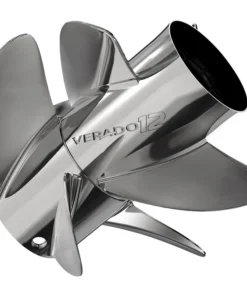
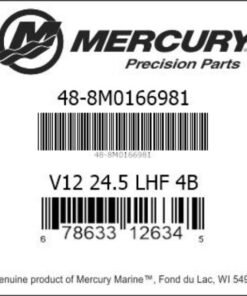
Mercury Verado12 Front Propeller 24.5″ Pitch Left-Hand 4-Blade Stainless Steel Polished 8M0166981
Right Hand Rotation
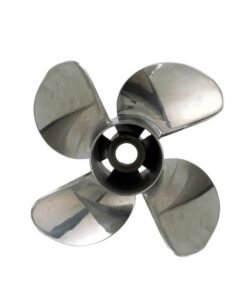
Quicksilver Q4 14.6″ Diameter X 21″ Pitch, 4-Blade Stainless Steel Propeller, Right Hand Rotation
Propeller 4 Blade
VERADO12 33 PITCH MERCURY LH 4 BLADE FRONT PROPELLER 48-8M0166991
VERADO PROPELLER
VERADO12 35 PITCH MERCURY LH 4 BLADE FRONT PROPELLER 48-8M0166993
VERADO PROPELLER
Verado12 (29″) MERCURY LH 4 Blade Front Propeller, 48-8M0166987
Reviews
There are no reviews yet.