
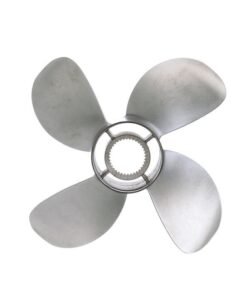
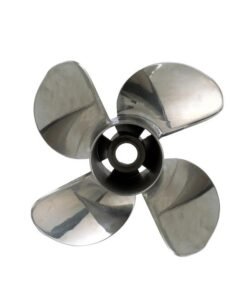
Quicksilver Bravo Three 16″ Diameter X 19″ Pitch, 4-Blade Stainless Steel Propeller, Left Hand Rotation, Matte Finish
€620.00
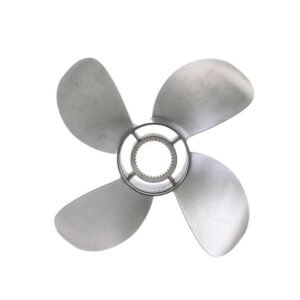
QUICKSILVER Bravo Three 16″ Diameter X 19″ Pitch, 4-Blade Stainless Steel Propeller, Left Hand Rotation, Matte Finish
This innovative contra-rotating propeller system includes a large diameter front 4-blade propeller and small diameter rear 3-blade propeller that provides better acceleration and holding than the Quicksilver Thunderbolt BIII. The counter-rotating system also allows for unbelievable control of your boat, so you won’t ever feel like you’re not in control. This sleek prop comes in a tough matte finish.
Key Features
- 16″ diameter, 19″ pitch, left-hand rotation
- Stainless steel propeller
- Up to an 8% gain in acceleration versus the original Quicksilver Thunderbolt BIII
- Unbelievable handling and boat control with contra-rotating propellers
Quicksilver Bravo Three 16″ Diameter X 19″ Pitch, 4-Blade Stainless Steel Propeller, Left Hand Rotation, Matte Finish
Designed for boaters who demand confident control, refined efficiency, and long-term durability, the Quicksilver Bravo Three 16″ Diameter X 19″ Pitch, 4-Blade Stainless Steel Propeller, Left Hand Rotation, Matte Finish represents a purpose-built solution for dual-prop sterndrive performance. Rather than focusing on raw specifications alone, this propeller delivers a balanced on-water experience that supports acceleration, stability, and predictable handling across a wide range of boating conditions.
Built under the engineering standards associated with Quicksilver, this propeller reflects a design philosophy centered on precision, reliability, and real-world usability. Consequently, both recreational and performance-oriented boaters benefit from a component that integrates seamlessly into their existing Bravo Three setup.
Product Overview: Performance That Feels Intuitive on the Water
At its core, this Bravo Three propeller is engineered to transform engine output into smooth, usable thrust. Instead of overwhelming the drivetrain with aggressive blade geometry, the carefully balanced 4-blade configuration distributes load efficiently. As a result, power delivery feels controlled rather than abrupt, even when conditions change unexpectedly.
Moreover, the 16-inch diameter works in harmony with the 19-inch pitch to support confident mid-range cruising. While acceleration remains responsive, cruising speeds become more efficient and predictable. Therefore, operators experience less strain during extended outings and more confidence during maneuvering.
Unlike generic alternatives, this propeller is purpose-matched for left hand rotation, ensuring proper counter-rotation alignment within Bravo Three dual-prop systems. Because rotational harmony directly affects handling and drivetrain longevity, correct orientation plays a critical role in overall performance consistency.
Why a 4-Blade Stainless Steel Propeller Changes the Experience
Although propeller count might appear to be a simple specification, blade configuration fundamentally influences how a boat behaves on the water. In this case, the four-blade layout provides several tangible advantages that extend beyond acceleration alone.
Improved Grip and Reduced Slip
By increasing blade surface area, this design enhances water engagement. Consequently, prop slip is minimized during takeoff and tight maneuvers. Additionally, improved grip supports smoother transitions when throttling up or backing down.
Enhanced Stability at Speed
Rather than feeling loose at cruising velocity, boats equipped with a four-blade Bravo Three propeller maintain composure. As water flow remains evenly distributed across the blades, vibration and oscillation are reduced. Therefore, steering input feels more precise and less reactive.
Load-Carrying Confidence
When passengers, gear, or fuel loads increase, the propeller continues to perform consistently. Instead of bogging down, torque distribution remains balanced. As a result, boaters experience reliable responsiveness even under variable load conditions.
Precision Engineering Behind the 16″ Diameter X 19″ Pitch
Understanding diameter and pitch is essential when evaluating propeller suitability. In this configuration, both measurements work together rather than competing.
The 16-inch diameter provides ample blade sweep to move water efficiently, which supports strong low-end thrust. Meanwhile, the 19-inch pitch allows the propeller to maintain comfortable cruising RPMs without sacrificing acceleration. Consequently, engine strain is reduced, and fuel efficiency becomes more attainable during steady operation.
Because these dimensions are optimized specifically for Bravo Three applications, the propeller complements the sterndrive’s hydrodynamic characteristics. Therefore, compatibility concerns are minimized, and performance remains predictable across varied operating conditions.
Matte Finish: Practical Durability with a Refined Appearance
While glossy finishes often draw attention, matte finishes deliver functional benefits that matter over time. This propeller’s matte stainless steel surface reduces glare, which improves visual comfort during inspection and installation. Additionally, the finish helps mask minor cosmetic wear that naturally occurs in marine environments.
From a durability standpoint, stainless steel construction resists corrosion, deformation, and impact damage more effectively than aluminum alternatives. As a result, long-term ownership costs are often lower, especially for boaters operating in saltwater or debris-prone waterways.

Designed for Bravo Three Compatibility
Rather than offering a one-size-fits-all solution, this propeller is engineered specifically for Bravo Three dual-prop sterndrives. That specialization ensures:
-
Correct rotational alignment
-
Balanced thrust distribution
-
Smooth gear engagement
-
Reduced drivetrain stress
Because compatibility directly influences safety and longevity, purpose-built design remains a critical differentiator.
On-Water Performance Analysis: Translating Engineering into Control
Performance on paper matters; however, performance on the water determines satisfaction. With this propeller, hydrodynamic efficiency converts engine output into usable thrust consistently. Consequently, operators experience confidence during launch, control at speed, and predictability when conditions evolve.
Rather than relying on aggressive blade angles that compromise stability, the four-blade configuration distributes force evenly. As a result, water flow remains attached to the blades, which reduces turbulence and preserves momentum. Therefore, responsiveness feels intentional rather than reactive.
Acceleration Characteristics: Smooth Power Without Abruptness
Acceleration is often associated with raw thrust alone. In practice, usable acceleration depends on grip, balance, and torque transfer. This propeller addresses all three variables simultaneously.
Hole Shot Performance
During initial throttle application, the expanded blade surface engages water immediately. Consequently, cavitation is reduced, and forward motion begins smoothly. Instead of sudden RPM spikes, engine speed rises in a controlled manner, which protects drivetrain components over time.
Mid-Range Throttle Response
As speed builds, the 19-inch pitch supports efficient progression through the mid-range. Therefore, cruising speeds are reached without excessive throttle input. Additionally, smoother transitions reduce passenger discomfort and improve operator confidence.
Loaded Acceleration
When fuel levels, passengers, or equipment increase overall weight, acceleration remains dependable. Because torque distribution stays balanced across all blades, load sensitivity is minimized. As a result, performance remains consistent even as operating variables change.
Handling and Maneuverability: Precision Where It Matters Most
Handling defines how connected an operator feels to their vessel. With this propeller, steering input translates directly into directional response.
Low-Speed Docking and Control
At low speeds, increased blade area improves grip during forward and reverse maneuvers. Consequently, docking feels deliberate rather than rushed. Moreover, reduced prop slip allows finer throttle adjustments, which enhances confidence in tight spaces.
High-Speed Stability
At cruising and higher speeds, the four-blade layout stabilizes water flow behind the sterndrive. Therefore, tracking improves, and steering corrections become smaller and more predictable. Instead of constant micro-adjustments, operators maintain a steady course with less effort.
Rough-Water Behavior
When chop or wake interference occurs, blade engagement remains consistent. As a result, ventilation is reduced, and control is preserved. Consequently, comfort improves for everyone onboard, regardless of seating position.
Fuel Efficiency and Engine Load Management
Fuel efficiency does not depend solely on engine size. Propeller geometry plays a decisive role in how efficiently power is converted into motion.
With the 16″ diameter and 19″ pitch working together, this propeller enables engines to operate within optimal RPM ranges during cruise. Therefore, unnecessary fuel burn caused by over-revving is avoided. Additionally, smoother power delivery reduces throttle corrections, which further supports efficient operation.
Over extended outings, these incremental efficiencies accumulate. Consequently, range improves, refueling intervals extend, and overall operating costs decline.
Left Hand Rotation: Why Direction Matters
In Bravo Three dual-prop systems, rotational direction is not optional. Proper counter-rotation ensures:
-
Balanced thrust
-
Reduced steering torque
-
Even drivetrain loading
This propeller’s left hand rotation is engineered to integrate seamlessly with the opposing propeller. Because rotational harmony influences both handling and mechanical longevity, correct orientation directly supports reliability and safety.
Stainless Steel Construction: Strength with Purpose
Material selection affects performance long after installation. Stainless steel offers superior rigidity compared to aluminum, which means blade shape remains stable under load. As a result, hydrodynamic efficiency is preserved even at higher speeds or during sharp maneuvers.
Additionally, stainless steel resists corrosion, abrasion, and impact damage. Therefore, the propeller maintains structural integrity across diverse marine environments, including saltwater use.
Matte Finish in Real-World Use
The matte finish serves more than aesthetic preference. By minimizing glare, inspection becomes easier during maintenance and pre-launch checks. Moreover, surface wear appears less pronounced over time, preserving a professional appearance.
Because cosmetic durability often influences resale perception, this finish supports long-term value beyond immediate performance gains.Quicksilver Bravo Three 16 Diameter X 19 Pitch
Compatibility and Application Scenarios
This propeller is engineered specifically for vessels equipped with Bravo Three sterndrives, commonly paired with propulsion systems from Mercury Marine. As a result, installation aligns with factory tolerances and recommended performance envelopes.Quicksilver Bravo Three 16 Diameter X 19 Pitch
Ideal Use Cases Include:
-
Family cruising with variable passenger loads
-
Performance-oriented recreational boating
-
Coastal and inland waterway navigation
-
Boats requiring predictable low-speed control
Because the design accommodates multiple boating styles, it avoids narrow specialization. Therefore, a wider range of operators benefit from its balanced characteristics.Quicksilver Bravo Three 16 Diameter X 19 Pitch
Highlighted Technical Advantages (Decision-Support)
Performance and Engineering Benefits
-
Balanced 4-blade geometry reducing vibration
-
Optimized diameter and pitch for Bravo Three drives
-
Stainless steel rigidity maintaining blade integrity
-
Left hand rotation ensuring drivetrain harmony
-
Matte finish enhancing durability and inspection ease
Each advantage compounds the others. Consequently, the overall experience feels refined rather than fragmented.
Long-Term Ownership and Reliability Perspective
Over time, equipment reliability defines satisfaction. With this propeller, reduced vibration lowers stress on bearings and gears. Additionally, stable RPM behavior supports engine health. Therefore, maintenance demands often remain predictable rather than reactive.Quicksilver Bravo Three 16 Diameter X 19 Pitch
Because fewer compromises are introduced at installation, ownership becomes simpler. As a result, more time is spent boating rather than troubleshooting.Quicksilver Bravo Three 16 Diameter X 19 Pitch
Installation Considerations: Accuracy That Preserves Performance
Proper installation ensures that engineered advantages translate into real-world results. With this propeller, installation follows established Bravo Three procedures; nevertheless, attention to detail remains essential.
Pre-Installation Checklist
Before mounting, several preparatory steps support optimal outcomes:
-
Confirm left hand rotation alignment within the dual-prop assembly
-
Inspect propeller shaft splines for cleanliness and wear
-
Verify thrust washer placement and condition
-
Ensure torque specifications align with manufacturer guidelines
By addressing these factors upfront, rotational balance and thrust distribution are preserved. Consequently, vibration risk is reduced, and drivetrain stress remains controlled.
Mounting and Torque Discipline
During installation, even torque application matters. Rather than overtightening, calibrated torque ensures secure seating without introducing axial stress. Therefore, the propeller seats correctly against the hub, supporting smooth gear engagement and consistent rotation.
Post-Installation Verification
After mounting, a brief operational check confirms proper alignment. Because early detection prevents long-term issues, this step protects both performance and component longevity.
Maintenance Guidelines: Sustaining Peak Performance Over Time
Although stainless steel construction offers resilience, proactive maintenance preserves efficiency and appearance. Fortunately, care requirements remain straightforward.
Routine Inspection Practices
Regular visual checks identify:
-
Minor blade nicks or surface abrasions
-
Hub integrity and spline condition
-
Signs of debris impact or corrosion buildup
Because stainless steel resists deformation, small imperfections rarely compromise performance. However, early identification allows corrective action before issues escalate.
Cleaning and Surface Care
Rinsing with fresh water after saltwater use removes residue that can dull surfaces over time. Additionally, gentle cleaning maintains the matte finish without introducing glare or uneven wear. Consequently, both function and appearance remain consistent.
Seasonal Storage Considerations
During off-season storage, removing the propeller reduces environmental exposure. Moreover, light lubrication of the shaft prevents corrosion and simplifies reinstallation. Therefore, readiness is preserved for the next launch cycle.
Durability Under Real-World Conditions
Durability depends not only on material strength but also on structural integrity under load. With this propeller, stainless steel rigidity prevents blade flex during acceleration and high-speed operation. As a result, hydrodynamic efficiency remains stable even after extended use.
Additionally, resistance to impact damage supports confidence in debris-prone waterways. While no propeller is immune to severe strikes, this design minimizes deformation risk, preserving balance and reducing the likelihood of secondary drivetrain damage.
Lifecycle Value: Performance That Justifies the Investment
Evaluating value requires looking beyond initial purchase price. Over time, performance stability, reduced maintenance, and drivetrain protection contribute meaningfully to total cost of ownership.
Reduced Long-Term Costs
Because blade geometry remains stable, rebalancing and repair needs are minimized. Furthermore, smoother power delivery reduces wear on gears and bearings. Consequently, service intervals often extend, lowering cumulative maintenance expense.
Consistent Performance Retention
Unlike softer materials that lose efficiency as blades flex or erode, stainless steel maintains its profile. Therefore, performance experienced during initial installation remains consistent season after season.
Resale and Perceived Value
From a resale perspective, well-maintained stainless steel propellers retain appeal. The matte finish, in particular, masks cosmetic wear, supporting a professional appearance. As a result, perceived value remains strong when upgrading or selling a vessel.
Use-Case Longevity Across Boating Profiles
This propeller adapts well to varied ownership patterns:
-
Weekend recreational cruising
-
Long-distance seasonal outings
-
Mixed-load family boating
-
Performance-focused operation
Because the design avoids narrow specialization, it continues to perform reliably as boating needs evolve. Therefore, owners avoid premature replacement driven by changing usage.
Buyer Guidance: Choosing the Right Bravo Three Propeller with Confidence
Selecting a propeller is not merely a specification exercise. Instead, the decision should align engine characteristics, boating habits, and performance priorities. With the Quicksilver Bravo Three 16″ Diameter X 19″ Pitch, 4-Blade Stainless Steel Propeller, Left Hand Rotation, Matte Finish, compatibility and balance simplify that process.
When This Propeller Is the Right Fit
This configuration is particularly well-suited when:
-
Consistent mid-range cruising is a priority
-
Smooth acceleration matters more than aggressive top-end bias
-
Load variability is common across outings
-
Predictable handling is valued in mixed conditions
Because these criteria apply to many Bravo Three-equipped boats, the propeller addresses broad real-world needs rather than niche scenarios.Quicksilver Bravo Three 16 Diameter X 19 Pitch
When to Consider Alternate Pitch or Diameter
In contrast, alternative specifications may be appropriate if:
-
The engine consistently operates outside recommended RPM ranges
-
The vessel is optimized for light-load, high-speed operation
-
Specialized towing or competition use dominates
Nevertheless, for general-purpose boating, the 16″ x 19″ balance remains a dependable baseline.
Comparison Framing: Why 4-Blade Stainless Steel Often Wins
Rather than positioning this propeller against specific competitors, performance advantages can be understood through design principles.Quicksilver Bravo Three 16 Diameter X 19 Pitch
Compared to 3-Blade Options
While three-blade propellers may achieve marginally higher top-end speed, they often sacrifice stability and low-speed control. In contrast, a four-blade design improves grip and smoothness. Consequently, everyday usability improves for most operators.
Quicksilver Bravo Three 16 Diameter X 19 Pitch Compared to Aluminum Construction
Aluminum propellers offer lower upfront cost; however, stainless steel delivers superior rigidity and durability. Therefore, performance consistency and lifespan frequently offset the initial price difference over time.
FAQ Section (Schema-Ready Content)
What does left hand rotation mean for Bravo Three systems?
Left hand rotation refers to the direction the propeller spins when viewed from behind the vessel. In Bravo Three dual-prop configurations, correct counter-rotation ensures balanced thrust and reduced steering torque. Because this propeller is engineered specifically for left hand rotation, compatibility and performance alignment are preserved.
Will this propeller improve fuel efficiency?
Fuel efficiency gains depend on operating habits; however, the optimized diameter and pitch support stable cruising RPMs. As a result, unnecessary over-revving is reduced, which can contribute to improved efficiency during steady operation.
Is stainless steel safe for regular recreational use?
Yes. Stainless steel propellers are widely used in recreational and professional boating. Because the material resists deformation and corrosion, it performs reliably across inland and coastal environments.Quicksilver Bravo Three 16 Diameter X 19 Pitch
Does the matte finish require special care?
No specialized products are required. Routine rinsing and gentle cleaning preserve the matte appearance. Additionally, the finish helps mask minor cosmetic wear over time.Quicksilver Bravo Three 16 Diameter X 19 Pitch
Can this propeller be installed without professional assistance?
Installation follows standard Bravo Three procedures. While experienced boaters may complete the process independently, professional installation ensures torque accuracy and alignment verification.
Be the first to review “Quicksilver Bravo Three 16″ Diameter X 19″ Pitch, 4-Blade Stainless Steel Propeller, Left Hand Rotation, Matte Finish”
Related products
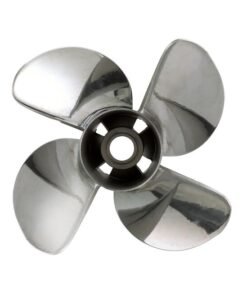
Right Hand Rotation
Quicksilver Q4 14.6″ Diameter X 21″ Pitch, 4-Blade Stainless Steel Propeller, Right Hand Rotation
Propeller 4 Blade
Verado12 (27.5″) MERCURY LH 4-Blade Front Propeller 48-8M0166985
Reviews
There are no reviews yet.