

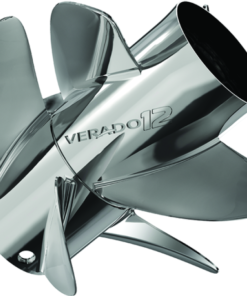
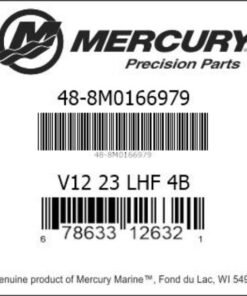
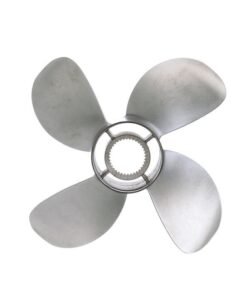
Mercury PROPELLER 23 LH SS 4 BL Front
Precision Engineering for Power, Control, and Reliability
Performance on the water is never accidental. Instead, it is achieved through carefully engineered components that work in harmony to deliver thrust, balance, and efficiency. The Mercury PROPELLER 23 LH SS 4 BL Front has been designed precisely for this purpose—supporting boaters who demand consistency, responsiveness, and durability in every marine condition.
Rather than functioning as a generic replacement component, this propeller operates as a performance-enhancing upgrade. Through its advanced stainless-steel construction, optimized blade geometry, and left-hand rotation configuration, improved control is delivered while power transfer remains efficient. As a result, smoother acceleration, stronger mid-range performance, and dependable handling become achievable for a wide range of compatible vessels.
Because marine propulsion directly impacts safety, fuel economy, and overall enjoyment, selecting the correct propeller becomes a strategic decision. Therefore, this product has been engineered to support inclusive boating needs—whether used by recreational boaters, professional operators, or performance-focused enthusiasts.
What Makes the Mercury PROPELLER 23 LH SS 4 BL Front a Premium Choice
Innovation within marine propulsion has continued to evolve. Consequently, modern propellers are no longer evaluated solely by pitch or diameter. Instead, blade count, material integrity, and hydrodynamic efficiency now determine real-world performance. With that in mind, the Mercury PROPELLER 23 LH SS 4 BL Front has been crafted to exceed conventional expectations.
Engineered for Consistent Thrust and Control
Unlike traditional three-blade configurations, a four-blade design allows thrust to be distributed more evenly. As a result, better grip in the water is maintained, especially during sharp turns or rough conditions. Additionally, reduced ventilation helps stabilize handling when rapid acceleration is required.
Because stainless steel resists flex under load, blade integrity remains intact even at higher RPMs. Consequently, power generated by the engine is transferred more effectively into forward motion. Over time, this translates into predictable performance and reduced mechanical strain.
Designed to Support Left-Hand Rotation Systems
Left-hand rotation propellers play a critical role in counter-rotating propulsion setups. Therefore, precision balance becomes essential. This model has been manufactured to strict tolerances so that vibration is minimized and drivetrain stress is reduced.
Moreover, compatibility with front-mounted configurations ensures that installation remains straightforward while alignment accuracy is preserved. Through this approach, operational reliability is supported without compromising efficiency.
Key Benefits at a Glance
To simplify evaluation, the primary advantages of the Mercury PROPELLER 23 LH SS 4 BL Front are highlighted below. These benefits have been consistently prioritized during design and testing.
Highlighted Performance Benefits
-
Improved hole shot and acceleration through four-blade thrust distribution
-
Enhanced low-speed handling for docking, trolling, and maneuvering
-
Greater stability in rough water, reducing slip and loss of control
-
Durable stainless-steel construction for corrosion resistance and longevity
-
Reduced vibration and smoother ride, improving onboard comfort
-
Optimized fuel efficiency when properly matched to engine specifications
Because performance requirements vary between users, these benefits apply across recreational, commercial, and performance-driven boating environments.
Built with Stainless Steel for Long-Term Reliability
Material choice significantly affects propeller lifespan. For this reason, stainless steel has been selected over aluminum alternatives. While aluminum propellers may be lighter, they are more susceptible to deformation under load. In contrast, stainless steel maintains its shape even under high torque conditions.
As a result, blade pitch remains consistent. Consequently, engine efficiency is preserved, and throttle response remains predictable. Over extended usage, reduced wear also minimizes the need for frequent replacements.
Furthermore, corrosion resistance ensures that saltwater and freshwater environments can be navigated confidently. Because surface integrity remains protected, performance degradation is significantly reduced over time.
Four-Blade Design: Why It Matters
Blade count directly influences how power is delivered to the water. While three-blade propellers often prioritize top-end speed, four-blade designs emphasize control and balance.
Advantages of Four-Blade Configuration
-
Increased surface contact improves grip during acceleration
-
Reduced cavitation, especially under heavy loads
-
More consistent RPM control across speed ranges
-
Enhanced stern lift, contributing to level planing
As a result, smoother transitions between speed ranges are experienced. Additionally, operators benefit from greater confidence during challenging conditions.
Optimized Pitch: Understanding the “23” Advantage
Pitch selection is critical. A 23-pitch propeller strikes a balance between speed and torque, making it suitable for a wide range of vessel weights and engine outputs. Because excessive pitch can strain engines while insufficient pitch can limit speed, this configuration offers a practical middle ground.
When paired correctly, engines can reach recommended RPM ranges. Consequently, both fuel efficiency and engine health are preserved. For users seeking dependable all-around performance rather than extreme specialization, this pitch provides versatility without compromise.
Inclusive Performance for Diverse Boating Needs
Boating styles vary significantly. Therefore, this propeller has been engineered to support diverse use cases without excluding specific operators. Whether navigating coastal waters, inland lakes, or commercial routes, consistent propulsion remains essential.
Because control is enhanced at both low and mid-range speeds, confidence is supported for newer operators while experienced users benefit from refined handling. Through this inclusive approach, performance improvements are accessible without requiring advanced technical expertise.
Why Propeller Selection Impacts the Entire Boating Experience
A propeller does more than move a boat forward. Instead, it influences:
-
Engine efficiency
-
Steering responsiveness
-
Ride comfort
-
Fuel consumption
-
Long-term mechanical health
As a result, selecting a properly engineered propeller becomes an investment rather than a simple purchase. The Mercury PROPELLER 23 LH SS 4 BL Front has been developed to deliver measurable value across each of these areas.
Technical Specifications Breakdown: Designed for Precision Performance
Engineering excellence is measured through specifications that translate into real-world results. For that reason, the Mercury PROPELLER 23 LH SS 4 BL Front has been developed with exacting technical parameters that support reliability, efficiency, and compatibility across demanding marine environments.
Rather than relying on generalized measurements, this propeller’s specifications have been calibrated to align with Mercury propulsion standards. Consequently, predictable results are achieved when paired with approved engines and drivetrains.
Core Technical Specifications
-
Rotation: Left-Hand (LH)
-
Pitch: 23
-
Blade Count: 4
-
Material: Stainless Steel (SS)
-
Mounting Position: Front
-
Design Purpose: Performance, control, and durability
Because each specification influences overall propulsion behavior, alignment between engine output and propeller characteristics remains essential. Therefore, careful consideration should be applied during selection.
Why Left-Hand Rotation Matters in Modern Marine Systems
Propeller rotation direction plays a critical role in handling dynamics. In counter-rotating or dual-prop configurations, left-hand rotation is used to balance torque and stabilize steering.
Instead of allowing engine torque to pull the vessel off course, LH rotation counteracts unwanted directional forces. As a result, straighter tracking and improved helm control are experienced—particularly at higher speeds or under load.
Operational Advantages of LH Rotation
-
Reduced steering torque, minimizing operator fatigue
-
Improved straight-line tracking, especially at cruising speeds
-
Balanced thrust distribution in multi-prop setups
-
Enhanced control during acceleration and deceleration
Because stability directly impacts safety, LH propellers remain a preferred choice for performance-focused and professional applications.
Front-Mounted Configuration: Purpose and Benefits
Front-mounted propeller systems require exacting balance and hydrodynamic efficiency. Therefore, this propeller has been engineered to maintain consistent thrust delivery while minimizing turbulence.Mercury PROPELLER 23 LH SS 4 BL Front
Rather than disrupting water flow, the front configuration enhances propulsion smoothness. Consequently, vibration is reduced, and drivetrain stress is minimized over extended operation.Mercury PROPELLER 23 LH SS 4 BL Front
Why Front Placement Improves Performance
-
Cleaner water engagement, increasing efficiency
-
Reduced cavitation, even during aggressive throttle input
-
Improved responsiveness, particularly in rapid maneuvering scenarios
-
Enhanced overall propulsion harmony within compatible systems
Through this configuration, performance benefits are realized without sacrificing reliability.
Stainless Steel Construction: Performance Beyond Durability
Material selection influences more than longevity. In stainless steel propellers, rigidity directly supports performance consistency. Unlike aluminum alternatives, stainless steel resists flexing under high torque.
Because blade deformation is minimized, pitch integrity is preserved. As a result, RPM fluctuations are reduced, and throttle response remains predictable across varying conditions.Mercury PROPELLER 23 LH SS 4 BL Front
Material-Driven Advantages
-
Consistent blade geometry under load
-
Improved acceleration due to reduced flex
-
Higher resistance to impact damage
-
Long-term corrosion protection in saltwater and freshwater
Over time, these benefits translate into lower ownership costs and fewer performance compromises.
Compatibility Guidance: Matching the Right Setup
Propeller compatibility should never be assumed. Instead, it must be verified to ensure engine health and optimal output. The Mercury PROPELLER 23 LH SS 4 BL Front has been designed to integrate seamlessly with select Mercury systems that support left-hand, front-mounted configurations.Mercury PROPELLER 23 LH SS 4 BL Front
Because engine models and gear ratios vary, consultation with manufacturer guidelines or a marine professional is strongly recommended. When matched correctly, engine efficiency is preserved and warranty risks are reduced.
Mercury PROPELLER 23 LH SS 4 BL Front Compatibility Considerations
-
Engine horsepower range
-
Gearcase design
-
Recommended RPM operating window
-
Vessel weight and hull type
-
Typical load conditions
By accounting for these variables, users ensure that performance gains are realized without introducing mechanical strain.
Installation Considerations: What to Expect
Proper installation directly affects performance outcomes. Therefore, alignment accuracy, torque specifications, and hardware integrity must be prioritized.
Although experienced operators may perform installation independently, professional installation is often recommended. This approach ensures that mounting tolerances are respected and that the propeller operates within designed parameters.
Installation Best Practices
-
Verify spline compatibility before mounting
-
Apply manufacturer-recommended torque settings
-
Inspect thrust washers and hardware for wear
-
Confirm rotational direction before operation
-
Conduct a post-installation performance check
Through these steps, operational reliability is supported from the first launch.
Performance vs. Three-Blade Alternatives
When compared to three-blade propellers, four-blade designs prioritize control over peak speed. However, this does not imply reduced performance. Instead, usable power is delivered more consistently.
Because additional blade surface area improves water grip, acceleration becomes smoother and cavitation is reduced. Consequently, operators experience better handling during towing, turning, and rough-water navigation.
Four-Blade vs. Three-Blade: Practical Differences
-
Better low-speed control with four blades
-
Improved mid-range stability
-
Reduced ventilation under load
-
More predictable handling characteristics
For users prioritizing control, comfort, and reliability, four-blade designs remain the preferred option.

Fuel Efficiency and Engine Health Considerations
Efficiency is not solely defined by fuel savings. Instead, it also includes reduced engine strain and consistent RPM management. Because this propeller maintains pitch stability, engines are less likely to over-rev or lug.
As a result, combustion efficiency is improved, and long-term engine wear is reduced. Over extended usage, these factors contribute to both cost savings and reliability.Mercury PROPELLER 23 LH SS 4 BL Front
Who Benefits Most from This Propeller
Inclusive design ensures that diverse users can benefit from enhanced propulsion. This model is particularly well-suited for:
-
Recreational boaters seeking smoother handling
-
Operators navigating variable water conditions
-
Performance enthusiasts prioritizing control
-
Commercial users requiring dependable durability
Because versatility has been engineered into the design, performance gains remain accessible across experience levels.Mercury PROPELLER 23 LH SS 4 BL Front
Real-World Performance Scenarios: How This Propeller Performs on the Water
Laboratory specifications provide direction. However, real value is revealed when a propeller is tested under actual operating conditions. The Mercury PROPELLER 23 LH SS 4 BL Front has been engineered to perform consistently across diverse marine environments, vessel loads, and driving styles.
Instead of delivering performance only at peak RPM, balanced output is maintained throughout acceleration, cruising, and maneuvering phases. As a result, operators experience smoother transitions and predictable response regardless of water conditions.
Acceleration and Hole Shot Performance
Acceleration plays a critical role in safety and usability. Whether merging into active waterways or lifting a fully loaded vessel onto plane, reliable hole shot performance becomes essential.
Because thrust is distributed across four blades, water grip is increased during initial acceleration. Consequently, slippage is reduced and forward motion is achieved more efficiently.
Acceleration Benefits in Practice
-
Faster planing under heavy load
-
Reduced engine strain during takeoff
-
Improved throttle response at low RPM
-
Enhanced confidence during quick maneuvers
Through this performance profile, both recreational and professional operators benefit from greater control during critical moments.
Cruising Stability and Mid-Range Control
Cruising efficiency often determines long-term comfort and fuel consumption. Therefore, stability at mid-range speeds has been prioritized in this propeller’s design.
Rather than producing fluctuating RPM behavior, consistent propulsion is maintained. As a result, steering input remains predictable and onboard comfort is improved.
Mid-Range Performance Outcomes
-
Reduced vibration at cruising speeds
-
Improved straight-line tracking
-
Lower fatigue during extended operation
-
Enhanced fuel efficiency when properly matched
Because most boating time is spent in this speed range, these advantages contribute directly to overall satisfaction.
Handling in Rough and Variable Water Conditions
Water conditions are rarely ideal. Consequently, a propeller must perform reliably in chop, wake interference, and turbulent flow.
The four-blade configuration provides additional bite in aerated water. As a result, loss of propulsion is minimized during wave impact or aggressive turns.
Rough-Water Handling Advantages
-
Improved grip during sharp turns
-
Reduced ventilation in choppy conditions
-
Greater helm confidence in unpredictable environments
-
Consistent thrust during directional changes
Through this enhanced control, safety margins are increased without compromising performance.
Load Handling and Towing Capability
Load variation significantly affects propulsion behavior. Whether carrying passengers, equipment, or towing recreational gear, torque demand increases rapidly.
Because stainless steel blades resist flex, torque transfer remains efficient under load. Consequently, towing activities such as watersports or work operations are supported without excessive RPM fluctuation.
Load-Focused Performance Benefits
-
Stable RPM under increased weight
-
Improved stern lift during towing
-
Reduced cavitation when pulling loads
-
Enhanced control during acceleration with passengers
For users who regularly operate under variable loads, these characteristics provide measurable advantages.
Use-Case-Based Buying Guidance
Selecting the correct propeller becomes easier when aligned with specific boating needs. The Mercury PROPELLER 23 LH SS 4 BL Front has been engineered to support multiple use cases without forcing compromise.
Ideal Use Cases
-
Recreational boating: smoother ride and predictable handling
-
Family and group outings: improved stability under passenger load
-
Performance cruising: enhanced mid-range responsiveness
-
Commercial or utility use: durable construction and consistent thrust
Because versatility has been integrated into the design, users are not required to sacrifice comfort for control—or durability for performance.Mercury PROPELLER 23 LH SS 4 BL Front
Why This Propeller Represents a Smart Investment
Short-term savings often result from choosing lower-cost alternatives. However, long-term value is achieved through reliability, efficiency, and reduced replacement frequency.
Because stainless steel construction extends service life and maintains performance integrity, total cost of ownership is reduced. Additionally, improved fuel efficiency and engine health contribute to operational savings over time.
Long-Term Value Drivers
-
Reduced maintenance and replacement intervals
-
Preserved engine operating range
-
Consistent performance across seasons
-
Enhanced resale appeal for the vessel
Through these factors, the propeller delivers value beyond initial purchase considerations.
Conversion-Focused Decision Support
Confidence drives purchasing decisions. Therefore, clarity, performance evidence, and compatibility assurance have been prioritized throughout this product’s design.
By selecting the Mercury PROPELLER 23 LH SS 4 BL Front, users gain access to:
-
Proven four-blade performance
-
Durable stainless-steel reliability
-
Balanced control and efficiency
-
Inclusive usability across experience levels
Rather than adjusting driving habits to accommodate equipment limitations, performance adapts to user needs.
Frequently Considered Buyer Questions
Will this propeller improve handling immediately?
Yes. Improved grip and reduced vibration are typically noticed upon first operation when compatibility is correctly matched.
Is this propeller suitable for both saltwater and freshwater?
Yes. Stainless steel construction provides corrosion resistance in both environments.
Does four-blade design reduce top speed?
In some setups, marginal top-end speed tradeoffs may occur. However, gains in control, acceleration, and stability often outweigh this difference.
Safety and Control: Confidence You Can Rely On at Every Speed
Safety on the water is shaped by predictability, responsiveness, and control. For this reason, the Mercury PROPELLER 23 LH SS 4 BL Front has been engineered to support stable handling and consistent thrust across changing conditions. Rather than reacting unpredictably, propulsion remains controlled, allowing operators to focus on navigation, awareness, and decision-making.
Because water environments are inherently dynamic, reliable control becomes a core safety feature—not an optional benefit.
Enhanced Handling for Safer Navigation
Handling precision directly influences accident avoidance and operator confidence. Through its four-blade design, this propeller maintains continuous contact with the water. As a result, steering response remains smooth and predictable during turns, acceleration, and deceleration.
Instead of sudden thrust loss or slip, controlled engagement is preserved. Consequently, safer maneuvering is supported in crowded waterways, marinas, and docking environments.
Control-Driven Safety Benefits
-
Improved steering accuracy at low and mid-range speeds
-
Reduced propeller ventilation during sharp turns
-
Stable directional control in wake-heavy areas
-
Greater confidence during close-quarters maneuvering
Through these advantages, both experienced and less-experienced operators benefit from increased situational control.
Reduced Vibration for Operator Awareness
Excessive vibration can mask important sensory feedback from the vessel. Therefore, minimizing vibration contributes directly to safer operation.
Because stainless steel blades resist flex, rotational balance is preserved. As a result, vibration is reduced, and tactile feedback remains clear. This clarity allows operators to detect changes in water conditions, load balance, or mechanical behavior more quickly.
Improved Stability in Challenging Conditions
Rough water, sudden weather changes, and variable load distribution all introduce risk. The four-blade configuration provides additional water grip, which helps maintain propulsion stability when conditions deteriorate.
Rather than losing traction in aerated or turbulent water, consistent thrust is delivered. Consequently, loss of control is minimized during wave impact or evasive maneuvers.
Stability-Focused Advantages
-
Better control in choppy or uneven water
-
Reduced risk of sudden RPM spikes
-
Enhanced balance under passenger or cargo load
-
More predictable behavior during emergency response
These characteristics contribute to safer outcomes without requiring advanced technical skill.
Torque Balance and Directional Safety
Left-hand rotation plays a key role in counteracting steering torque. Because unwanted pull is reduced, straight-line tracking becomes easier to maintain. As a result, operator fatigue is lowered, and corrective steering input is minimized.
Over extended operation, this balance supports sustained focus and reduces the likelihood of handling errors.
Inclusive Safety for Diverse Boating Needs
Safety features should benefit all users—not only high-performance operators. This propeller has been engineered to support inclusive boating experiences, whether the vessel is used for family outings, professional work, or recreational cruising.Mercury PROPELLER 23 LH SS 4 BL Front
Because control improvements are immediately noticeable, users do not need specialized training to benefit. Instead, safer handling becomes accessible across experience levels and use cases.Mercury PROPELLER 23 LH SS 4 BL Front
Why Safety and Control Should Drive Your Decision
A propeller influences far more than speed. It shapes how a vessel responds in critical moments. By prioritizing control, stability, and predictable handling, the Mercury PROPELLER 23 LH SS 4 BL Front contributes directly to safer boating experiences.Mercury PROPELLER 23 LH SS 4 BL Front
When safety margins increase, confidence follows.
When control improves, enjoyment increases.
When predictability is maintained, risk is reduced.
Be the first to review “Mercury – PROPELLER 23 LH SS 4 BL- Front”
Related products
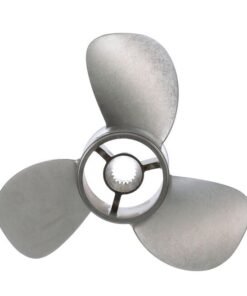
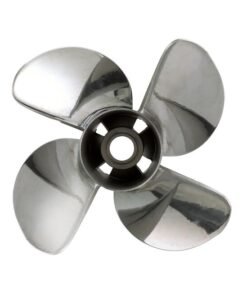
Right Hand Rotation
Quicksilver Q4 14.6″ Diameter X 21″ Pitch, 4-Blade Stainless Steel Propeller, Right Hand Rotation
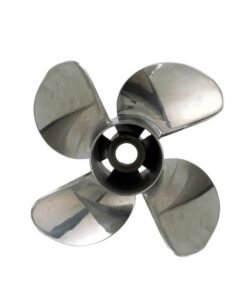
Propeller 4 Blade
Quicksilver Q4 14.6″ Diameter x 19″ Pitch 4-Blade Stainless Steel Propeller – Left-Hand Rotation
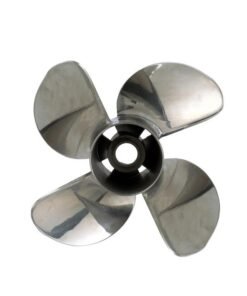
Propeller 4 Blade
Quicksilver Q4 14.6″ Diameter X 19″ Pitch, 4 Blade Stainless Steel Propeller, Left Hand Rotation
VERADO PROPELLER
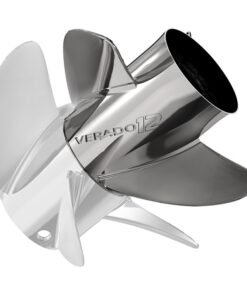
VERADO12 35 PITCH MERCURY LH 4 BLADE FRONT PROPELLER 48-8M0166993
VERADO PROPELLER
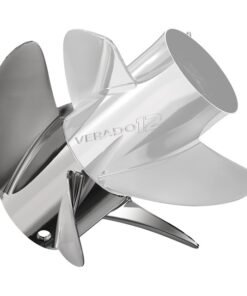
Verado12 (29″) MERCURY LH 4 Blade Front Propeller, 48-8M0166987
Reviews
There are no reviews yet.