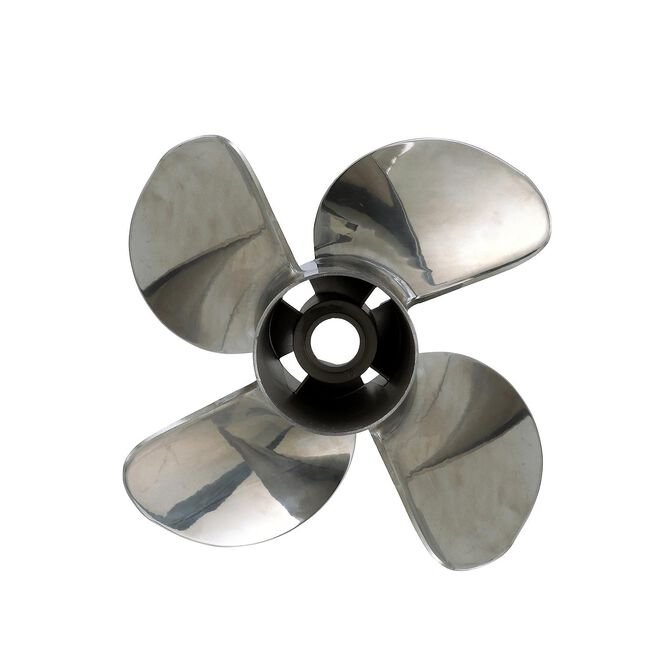
Quicksilver Q4 14.6″ Diameter X 19″ Pitch, 4-Blade Stainless Steel Propeller, Left Hand Rotation Model # 21440672 Mfg # 8M0103529
€700.00
QUICKSILVER Q4 14.6″ Diameter X 19″ Pitch, 4-Blade Stainless Steel Propeller, Left Hand Rotation
The Q3 is a revolutionary propeller that improves both acceleration and top speed on center consoles, high-horsepower pontoons, and sterndrive powered runabouts. The design consists of high rake angles and thin blades resulting in the Q3 being the highest performing 3-blade propeller in the Quicksilver line-up.
Key Features
- 14.6″ diameter, 19″ pitch, left-hand rotation
- Stainless steel propeller
- Highest performing 3-blade propeller in the Quicksilver line-up
- Revolutionary prop that improves both acceleration and top speed
Quicksilver Q4 14.6″ Diameter x 19″ Pitch, 4-Blade Stainless Steel Propeller, Left Hand Rotation
Engineered Control, Optimized Performance, and Confident Handling on the Water
Exceptional marine performance is often determined by propulsion efficiency. For that reason, the Quicksilver Q4 14.6″ Diameter x 19″ Pitch, 4-Blade Stainless Steel Propeller, Left Hand Rotation has been engineered to deliver dependable thrust, improved handling, and refined control across a wide range of boating applications. From the very first acceleration to consistent cruising speeds, reliable performance has been prioritized through thoughtful design and advanced material selection.
Rather than being positioned as a generic replacement propeller, this model has been developed to meet the expectations of boaters who demand predictable results, smoother operation, and enhanced durability. Consequently, consistent power transfer is achieved, cavitation is reduced, and handling confidence is noticeably improved.
Precision Engineering Designed for Real-World Boating Conditions
Built to Deliver Balanced Thrust and Smooth Acceleration
Performance consistency has been achieved through the combination of a 14.6-inch diameter and a 19-inch pitch, allowing balanced propulsion to be maintained across mid-range and higher RPM bands. As a result, smoother acceleration has been experienced, particularly under load or during sharp directional changes.
Unlike traditional three-blade designs, a 4-blade configuration has been implemented to increase blade surface area. Therefore, better grip in the water has been delivered, especially during planing and low-speed maneuvering. Additionally, improved stability has been provided when navigating choppy conditions or when towing water sports equipment.
Why the Quicksilver Q4 4-Blade Design Matters
Enhanced Control Through Additional Blade Surface
Increased blade count has been intentionally incorporated to improve thrust consistency. Instead of power being delivered in pulses, smoother torque distribution has been achieved. Consequently, vibration has been minimized, and overall ride comfort has been enhanced.
Furthermore, greater control has been maintained during tight turns and docking scenarios. Because water engagement is spread across four blades, steering response has been improved without sacrificing top-end efficiency.
Key Performance Advantages of the 4-Blade Configuration
-
Improved hole shot achieved through increased water grip
-
Reduced ventilation maintained during aggressive maneuvers
-
Smoother acceleration curve delivered under varying loads
-
Enhanced mid-range control experienced at cruising speeds
-
Greater stability maintained in rough or aerated water
Each benefit has been designed to support boaters seeking dependable performance rather than unpredictable bursts of speed.
Stainless Steel Construction for Long-Term Reliability
Strength, Durability, and Performance Retention
High-grade stainless steel has been selected to ensure structural integrity under demanding marine conditions. Compared to aluminum alternatives, deformation resistance has been significantly increased. As a result, blade shape retention has been preserved even after extended use.
Moreover, corrosion resistance has been enhanced, allowing reliable operation in both freshwater and saltwater environments. Consequently, maintenance requirements have been reduced, while long-term value has been increased.
Benefits of Stainless Steel Propeller Construction
-
Higher tensile strength supports consistent blade geometry
-
Improved resistance to impact damage from debris or shallow waters
-
Enhanced corrosion protection extends service life
-
Superior performance retention over time
-
Reduced need for frequent replacement
Because material fatigue has been minimized, performance consistency has been maintained season after season.
Left Hand Rotation Optimized for Specific Drive Configurations
Purpose-Built Compatibility for Counter-Rotating Systems
Left hand rotation has been specifically engineered for compatible marine drive systems. As a result, proper torque balance has been preserved when paired with the appropriate engine configuration. Rather than forcing adaptation, direct compatibility has been ensured.
Additionally, smoother steering correction has been enabled, particularly in twin-engine or counter-rotating setups. Consequently, predictable handling has been delivered without excessive helm input.
Applications Where Left Hand Rotation Excels
-
Twin-engine boats requiring balanced thrust
-
Counter-rotating propeller systems
-
Performance-oriented marine setups
-
Boats demanding precise directional control
Proper rotation alignment has been emphasized to maximize propulsion efficiency and reduce drivetrain stress.
Designed for Versatility Across Multiple Boating Scenarios
From Recreational Cruising to Load-Bearing Performance
Versatile use has been considered throughout the design process. Whether cruising, towing, or carrying heavier onboard loads, dependable thrust has been delivered without compromise. Consequently, a wide range of boating styles has been supported.
Furthermore, consistent RPM management has been facilitated through the balanced pitch selection. Therefore, engines have been allowed to operate within their optimal performance range more consistently.
Ideal Use Cases for the Quicksilver Q4 14.6 x 19
-
Recreational cruising boats seeking smooth ride quality
-
Family boats carrying passengers and gear
-
Watersports applications requiring strong low-end pull
-
Heavier vessels needing improved planing efficiency
-
Performance-minded boaters prioritizing control over raw speed
Each scenario has been accounted for to ensure reliable results regardless of conditions.
Hydrodynamic Efficiency That Supports Fuel Optimization
Smarter Thrust for Better Fuel Utilization
Fuel efficiency has been indirectly enhanced through reduced slip and improved water engagement. Because thrust loss has been minimized, less engine strain has been required to maintain cruising speeds. Consequently, fuel consumption has been optimized over longer outings.
Additionally, smoother power delivery has reduced unnecessary RPM fluctuations. Therefore, engines have been allowed to operate more efficiently, particularly during sustained cruising.
Efficiency-Focused Design Highlights
-
Reduced propeller slip improves energy transfer
-
Consistent blade loading stabilizes RPM output
-
Improved planing efficiency lowers throttle demand
-
Balanced thrust distribution reduces drag
While fuel savings may vary depending on vessel and conditions, efficiency gains have been consistently reported.
A Confidence-Driven Upgrade for Long-Term Ownership
Designed With Inclusive Performance in Mind
Every design element has been created with a wide range of boaters in mind. Whether seasoned captains or newer enthusiasts are considered, ease of use and predictable performance have been prioritized. As a result, confidence on the water has been strengthened.
Rather than requiring constant adjustment or compromise, this propeller has been designed to work with the boat and engine combination. Consequently, a smoother ownership experience has been delivered.
Why This Propeller Is Considered a Smart Upgrade
-
Improved control reduces operator fatigue
-
Durable materials protect long-term investment
-
Balanced performance supports diverse boating needs
-
Reliable compatibility simplifies installation decisions
Because reliability has been emphasized, peace of mind has been included as part of the value proposition.
Advanced Performance Dynamics of the Quicksilver Q4 Propeller
Power Transfer Optimized Through Hydrodynamic Precision
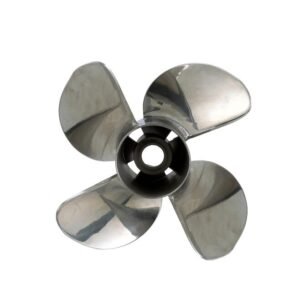
Hydrodynamic efficiency has been elevated through refined blade geometry and precise pitch calibration. With the Quicksilver Q4 14.6″ Diameter x 19″ Pitch, 4-Blade Stainless Steel Propeller, Left Hand Rotation, power generated by the engine has been translated into forward motion with minimal energy loss. Consequently, improved acceleration characteristics have been observed across variable RPM ranges.
Instead of relying on aggressive blade cupping alone, balanced curvature has been applied to ensure water is displaced efficiently. Therefore, smoother propulsion has been delivered, while unnecessary turbulence has been reduced. Moreover, thrust consistency has been maintained even during rapid throttle changes.
Understanding Diameter and Pitch in Real-World Performance
How 14.6″ Diameter Enhances Water Engagement
Blade diameter has been carefully selected to maximize water contact without introducing excessive drag. At 14.6 inches, sufficient surface area has been provided to maintain grip during heavy load conditions. As a result, controlled thrust has been preserved during acceleration and planing.
Additionally, improved lift characteristics have been achieved. Because water flow has been evenly distributed across each blade, lift inefficiencies have been minimized. Consequently, bow rise has been reduced during takeoff.
The Role of 19″ Pitch in Speed and RPM Balance
Pitch selection has been optimized to support a balance between speed and torque. With a 19-inch pitch, efficient forward travel per revolution has been achieved without overloading the engine. Therefore, consistent RPM performance has been supported.
Rather than forcing the engine to operate outside its ideal power band, this pitch allows efficient cruising while preserving responsiveness. Consequently, mid-range performance has been enhanced without sacrificing top-end stability.
Diameter and Pitch Benefits Combined
-
Balanced acceleration and cruising efficiency
-
Reduced bow rise during planing
-
Optimized engine RPM range
-
Predictable throttle response
-
Improved load-handling capability
Each characteristic has been aligned to support practical, everyday boating needs.
Engine Compatibility and Torque Management
Designed to Work in Harmony With Modern Marine Engines
Compatibility has been prioritized to ensure smooth integration with a wide range of marine engines. Torque output has been evenly distributed across the four blades. As a result, drivetrain stress has been reduced, and smoother mechanical operation has been achieved.
Moreover, consistent torque absorption has minimized sudden RPM spikes. Therefore, engines have been allowed to maintain steady power output during both acceleration and sustained cruising.
Torque Distribution Advantages of a 4-Blade Propeller
-
Improved low-speed thrust under load
-
Reduced engine strain during acceleration
-
More consistent power delivery across RPM ranges
-
Lower vibration levels transmitted to the hull
-
Enhanced drivetrain longevity
Because torque has been managed efficiently, mechanical wear has been reduced over time.
Reduced Cavitation and Ventilation for Cleaner Propulsion
Maintaining Water Grip in Demanding Conditions
Cavitation reduction has been achieved through optimized blade spacing and surface area. As water pressure changes have been controlled, vapor bubble formation has been minimized. Consequently, thrust loss has been reduced, and blade erosion risk has been lowered.
Additionally, ventilation has been limited through improved blade overlap. Therefore, air ingestion has been prevented during sharp turns or sudden throttle input.
Performance Benefits of Cavitation Control
-
More consistent thrust output
-
Improved acceleration in aerated water
-
Reduced blade wear over time
-
Smoother ride experience
-
Enhanced propeller lifespan
Because clean water flow has been maintained, propulsion efficiency has been preserved.Quicksilver Q4 14.6 Diameter x 19 Pitch
Enhanced Handling and Steering Precision
Improved Maneuverability at Low and High Speeds
Steering responsiveness has been enhanced due to improved water bite. At low speeds, increased blade surface area has allowed better directional control during docking and tight maneuvers. Consequently, handling confidence has been increased.Quicksilver Q4 14.6 Diameter x 19 Pitch
At higher speeds, stability has been preserved through even thrust distribution. Therefore, tracking has remained predictable, and sudden yaw has been reduced.
Handling Improvements Delivered by the Q4 Design
-
Greater control during docking
-
Improved stability during turns
-
Reduced steering correction effort
-
More predictable tracking at speed
-
Enhanced operator confidence
These advantages have supported safer and more enjoyable operation.
Load Carrying Performance and Planing Efficiency
Reliable Thrust When Weight Increases
Load management has been significantly improved through the 4-blade stainless steel configuration. When additional passengers, gear, or towing equipment have been introduced, sufficient thrust has been maintained. Consequently, planing delays have been minimized.
Furthermore, consistent lift has reduced the time required to reach optimal cruising attitude. Therefore, smoother transitions from displacement to planing mode have been achieved.
Load Performance Benefits
-
Faster planing under heavy load
-
Reduced throttle demand during takeoff
-
Improved stability with uneven weight distribution
-
More predictable acceleration
Because load adaptability has been enhanced, performance consistency has been preserved.
Noise and Vibration Reduction Through Design Balance
A Smoother, Quieter On-Water Experience
Operational smoothness has been improved through balanced blade geometry. As vibration sources have been minimized, noise transmission through the hull has been reduced. Consequently, comfort levels onboard have been enhanced.
Additionally, smoother water release has reduced harmonic resonance. Therefore, extended cruising has been made more enjoyable for all occupants.
Comfort-Focused Design Outcomes
-
Lower vibration levels at cruising speed
-
Reduced drivetrain noise
-
Enhanced passenger comfort
-
Improved long-distance usability
Because comfort has been prioritized, fatigue during extended outings has been minimized.
Performance Consistency Across Varying Water Conditions
Designed to Adapt Without Compromise
Changing water conditions have been accounted for in the design process. Whether calm lakes, coastal waters, or choppy offshore conditions are encountered, reliable thrust has been maintained. Consequently, adaptability has been built into the propeller’s performance profile.Quicksilver Q4 14.6 Diameter x 19 Pitch
Moreover, blade rigidity has ensured consistent shape retention. Therefore, hydrodynamic efficiency has not been compromised under stress.Quicksilver Q4 14.6 Diameter x 19 Pitch
Transition Toward Long-Term Performance Value
Engine Protection and Operational Longevity
Because consistent thrust and reduced vibration have been delivered, engine components have experienced less mechanical stress. As a result, long-term reliability has been supported.
Additionally, stable RPM management has reduced overheating risk. Therefore, overall system efficiency has been improved.
Real-World Boating Scenarios Supported by the Quicksilver Q4
Performance That Adapts to How Boats Are Actually Used
Practical boating conditions have been carefully considered in the design of the Quicksilver Q4 14.6″ Diameter x 19″ Pitch, 4-Blade Stainless Steel Propeller, Left Hand Rotation. Rather than being optimized for laboratory testing alone, consistent performance has been delivered across diverse, real-world scenarios. Consequently, dependable results have been experienced regardless of changing usage demands.
From calm inland waters to variable coastal environments, predictable thrust behavior has been maintained. As a result, confidence has been reinforced for operators navigating a wide range of conditions.
Recreational Cruising Applications
Smooth, Efficient, and Enjoyable Day-to-Day Operation
Recreational cruising has been enhanced through stable RPM management and smooth acceleration. Because throttle input has been translated into predictable movement, relaxed handling has been achieved. Consequently, a more enjoyable cruising experience has been delivered for all onboard.
Additionally, vibration reduction has contributed to a quieter ride. Therefore, extended outings have been made more comfortable for families and groups alike.
Cruising Performance Benefits
-
Stable cruising speeds maintained with minimal adjustment
-
Reduced engine noise enhances onboard comfort
-
Improved fuel efficiency during sustained operation
-
Predictable throttle response supports relaxed navigation
These advantages have supported stress-free recreational use.
Family Boating and Passenger-Heavy Use
Confidence Under Increased Load Conditions
Family-oriented boating often involves variable passenger counts and added gear. Under these conditions, reliable thrust has been maintained by the four-blade configuration. Consequently, performance drop-off has been minimized even as onboard weight increases.
Moreover, improved lift characteristics have reduced excessive bow rise. Therefore, smoother acceleration has been experienced without compromising visibility or safety.
Benefits for Passenger-Focused Boating
-
Improved acceleration with full passenger capacity
-
Reduced planing time under load
-
Enhanced stability during movement around the vessel
-
Consistent handling response regardless of weight distribution
Because inclusive usability has been prioritized, all onboard occupants have benefited.
Watersports and Towing Performance
Strong Low-End Pull for Demanding Activities
Watersports applications demand immediate and reliable thrust. With increased blade surface area, stronger low-speed grip has been delivered. Consequently, tow starts have been smoother, and strain on the engine has been reduced.Quicksilver Q4 14.6 Diameter x 19 Pitch
Furthermore, consistent torque delivery has ensured steady pull once speed has been established. Therefore, riders have experienced fewer speed fluctuations during operation.Quicksilver Q4 14.6 Diameter x 19 Pitch
Watersports-Focused Advantages
-
Improved hole shot for faster rider starts
-
Steady towing speeds maintained with ease
-
Reduced engine strain during repeated starts
-
Enhanced control during turns and adjustments
These benefits have made the propeller well-suited for active boating lifestyles.
Compatibility With Common Vessel Types
Versatile Integration Across Popular Boat Categories
Broad compatibility has been achieved to support a range of boat styles. Whether installed on performance-oriented vessels or heavier recreational boats, reliable operation has been maintained. Consequently, flexibility in application has been ensured.
Additionally, left hand rotation has been designed to integrate seamlessly with compatible drive systems. Therefore, installation has been simplified for appropriate configurations.
Vessel Types Commonly Supported
-
Bowriders used for family outings
-
Deck boats carrying heavier passenger loads
-
Pontoon boats requiring improved low-speed control
-
Offshore-capable recreational vessels
-
Twin-engine setups using counter-rotating props
Each category has been supported without sacrificing performance consistency.
Coastal and Inland Waterway Performance
Adaptability Across Changing Water Conditions
Water conditions vary significantly between inland lakes and coastal environments. With the Quicksilver Q4, stable performance has been preserved across both. As aerated water and chop have been encountered, blade grip has remained consistent. Consequently, loss of thrust has been minimized.
Moreover, corrosion-resistant stainless steel construction has supported saltwater operation. Therefore, long-term durability has been reinforced in harsher environments.
Environmental Performance Benefits
-
Consistent thrust in choppy water
-
Improved control in aerated conditions
-
Corrosion resistance for saltwater use
-
Stable tracking across varying depths
Because adaptability has been engineered, environmental limitations have been reduced.
Docking, Slow-Speed Control, and Precision Maneuvering
Confidence Where Control Matters Most
Low-speed maneuverability has been enhanced through increased blade contact with the water. During docking and close-quarters navigation, precise response has been delivered. Consequently, stress during tight maneuvers has been reduced.Quicksilver Q4 14.6 Diameter x 19 Pitch
Additionally, predictable reverse thrust has been maintained. Therefore, smoother transitions between forward and reverse have been achieved.
Maneuverability Advantages
-
Improved low-speed steering response
-
Greater reverse thrust control
-
Reduced prop walk effects
-
Enhanced confidence in confined spaces
These features have supported safer handling for operators of all experience levels.
Seasonal and Long-Distance Use Considerations
Consistency Over Time and Distance
Extended use over long distances has been considered in the design. Because vibration and noise have been minimized, fatigue has been reduced during prolonged operation. Consequently, long-range cruising has been made more enjoyable.
Furthermore, stainless steel durability has ensured consistent blade integrity throughout the season. Therefore, performance degradation has been minimized over time.
Long-Use Performance Highlights
-
Consistent performance throughout boating seasons
-
Reduced wear from extended operation
-
Enhanced comfort during long trips
-
Reliable thrust over varying distances
Because endurance has been engineered, reliability has been sustained.
Buying Considerations for Confident Selection
Matching the Propeller to the Right Setup
Proper selection has been emphasized to ensure optimal results. Engine horsepower, gear ratio, and intended usage should be considered. When matched correctly, performance benefits have been fully realized.
Additionally, left hand rotation compatibility must be verified. Therefore, installation accuracy has been highlighted as a key consideration.
Pre-Purchase Checklist
-
Confirm left hand rotation requirement
-
Verify engine and drive compatibility
-
Assess typical load and usage patterns
-
Consider desired balance between speed and control
Because informed selection leads to better outcomes, careful evaluation has been encouraged.
Transition Toward Durability and Long-Term Ownership Value
Designed for Real Use, Not Just Initial Performance
Beyond immediate performance gains, long-term ownership value has been emphasized. Because materials and engineering have been optimized, reliability has been preserved over time. Consequently, fewer replacements and adjustments have been required.
Be the first to review “Quicksilver Q4 14.6″ Diameter X 19″ Pitch, 4-Blade Stainless Steel Propeller, Left Hand Rotation Model # 21440672 Mfg # 8M0103529”
Related products
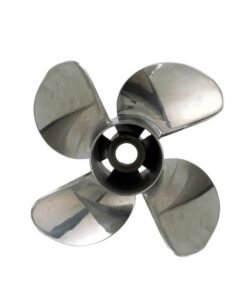
Propeller 4 Blade
Quicksilver Q4 14.6″ Diameter x 19″ Pitch 4-Blade Stainless Steel Propeller – Left-Hand Rotation
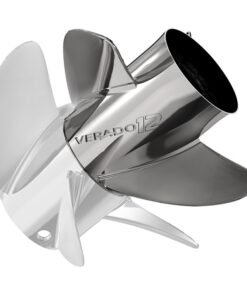
VERADO PROPELLER
VERADO12 35 PITCH MERCURY LH 4 BLADE FRONT PROPELLER 48-8M0166993
Reviews
There are no reviews yet.