
Quicksilver Bravo 3 14″ Diameter X 24″ Pitch, 3-Blade Stainless Steel Propeller, Right Hand Rotation, Matte Finish
€650.00
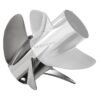
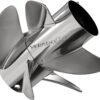
QUICKSILVER Bravo Three 14.0″ Diameter X 24″ Pitch, 3-Blade Stainless Steel Propeller, Right Hand Rotation, Matte Finish
This innovative contra-rotating propeller system includes a large diameter front 4-blade propeller and small diameter rear 3-blade propeller that provides better acceleration and holding than the Quicksilver Thunderbolt BIII. The counter-rotating system also allows for unbelievable control of your boat, so you won’t ever feel like you’re not in control. This sleek prop comes in a tough matte finish.
Key Features
- 14.0″ diameter, 24″ pitch, right-hand rotation
- Stainless steel propeller
- Up to an 8% gain in acceleration versus the original Quicksilver Thunderbolt BIII
- Unbelievable handling and boat control with contra-rotating propellers
Quicksilver Bravo 3 14″ Diameter x 24″ Pitch
Designed for boaters who expect more from every throttle push, the Quicksilver Bravo 3 14″ Diameter x 24″ Pitch 3-Blade Stainless Steel Propeller delivers a refined balance of durability, hydrodynamic efficiency, and real-world performance. Built with precision engineering and finished with a corrosion-resistant matte surface, this propeller is optimized for demanding marine environments while remaining inclusive of a wide range of boating applications and experience levels.
Whether performance upgrades are being considered, or a dependable OEM-grade replacement is required, this Bravo 3 propeller has been engineered to exceed expectations—consistently, efficiently, and reliably.
Why the Quicksilver Bravo 3 Propeller Stands Out
Performance on the water is influenced by multiple interconnected factors. Because propulsion efficiency, handling responsiveness, and fuel economy all work together, selecting the correct propeller becomes critical. With this in mind, Quicksilver engineered the Bravo 3 14″ x 24″ propeller to meet modern boating demands without compromising longevity or comfort.
Engineered for Balanced Performance
Rather than prioritizing raw speed alone, this 3-blade stainless steel propeller was designed to support smooth acceleration, stable cruising, and predictable handling. As a result, power delivery is optimized across mid-range RPMs, making everyday boating more enjoyable and less fatiguing.Quicksilver Bravo
Additionally, the right-hand rotation configuration ensures compatibility with Bravo 3 sterndrive systems, allowing seamless integration without modification.Quicksilver Bravo
Product Specifications at a Glance
To make selection easier, the key technical details are outlined below. Each specification has been chosen to support consistent performance across recreational, cruising, and light performance boating applications.
🔹 Key Specifications
-
Brand: Quicksilver
-
Model: Bravo 3
-
Diameter: 14 inches
-
Pitch: 24 inches
-
Blade Count: 3-Blade
-
Material: Marine-Grade Stainless Steel
-
Rotation: Right-Hand (Clockwise)
-
Finish: Matte
-
Application: Bravo 3 Sterndrive Systems
Because every detail contributes to on-water results, each specification works together rather than in isolation.
Advantages of a 14″ Diameter x 24″ Pitch Configuration
Understanding propeller geometry helps ensure optimal selection. While diameter controls how much water is displaced, pitch determines how far the boat moves forward with each revolution. When these elements are matched correctly, efficiency improves while mechanical strain is reduced.
Optimized Diameter for Load Handling
A 14-inch diameter allows sufficient water engagement without excessive drag. Therefore, consistent thrust is maintained even under moderate load conditions, including passengers, fuel, and onboard equipment.
Pitch Designed for Efficient Cruising
With a 24-inch pitch, forward movement per rotation is maximized at cruising speeds. Consequently, fuel economy is improved while engine RPMs remain within an optimal operating range.Quicksilver Bravo
Because of this balance, the propeller supports both relaxed cruising and confident acceleration when required.
Stainless Steel Construction: Strength You Can Rely On
Material selection directly affects propeller lifespan and performance stability. For this reason, Quicksilver utilizes high-grade stainless steel, offering benefits that aluminum alternatives simply cannot match.Quicksilver Bravo
Benefits of Stainless Steel Propellers
-
Increased resistance to impact and deformation
-
Improved blade stiffness for consistent thrust
-
Superior corrosion resistance in saltwater environments
-
Longer service life with reduced performance degradation
Since blade flex is minimized, energy transfer from the engine to the water is preserved. As a result, acceleration feels more responsive, and top-end efficiency is maintained over time.
3-Blade Design for Controlled Power Delivery
Blade count influences both speed characteristics and handling behavior. While additional blades may increase grip, they can also add drag. Conversely, fewer blades may sacrifice stability.
Why a 3-Blade Configuration Works
-
Balanced acceleration and top-end speed
-
Predictable steering response
-
Reduced vibration at cruising RPMs
-
Efficient water displacement
Because this design strikes a middle ground, it remains versatile across a wide range of boating styles and conditions.
Matte Finish: Function Meets Aesthetics
Although appearance may not impact propulsion directly, finish quality still matters. The matte coating applied to this propeller serves both practical and aesthetic purposes.
Functional Advantages of Matte Finishing
-
Reduced glare in high-sun environments
-
Added layer of surface protection
-
Professional, understated appearance
Moreover, the finish complements modern sterndrive assemblies, maintaining a cohesive look beneath the waterline.
Compatibility and Installation Considerations
Proper fitment is essential. Fortunately, this Quicksilver Bravo 3 propeller is manufactured to OEM tolerances, ensuring straightforward installation when matched with compatible Bravo 3 sterndrives.Quicksilver Bravo
Designed for Seamless Integration
-
OEM-grade spline accuracy
-
No modification required
-
Reliable alignment with Bravo 3 systems
Because tolerances are precise, vibration issues associated with poor fitment are avoided.
Ideal Use Cases
This propeller is suitable for a broad range of boaters. Regardless of experience level, performance benefits are accessible and immediately noticeable.Quicksilver Bravo
Recommended For:
-
Recreational cruising
-
Family boating
-
Light performance applications
-
Saltwater and freshwater use
Because of its versatility, the Bravo 3 14″ x 24″ propeller adapts easily to evolving boating needs.
Performance Benefits You Will Notice
Once installed, improvements are typically felt immediately. Although results vary depending on hull design and load, common outcomes include:
On-Water Improvements
-
Smoother throttle response
-
Improved mid-range efficiency
-
Reduced engine strain at cruising speeds
-
Confident handling in variable conditions
As a result, both comfort and operational efficiency are enhanced.
Deep-Dive Performance Engineering
How the Quicksilver Bravo 3 Propeller Translates Power into Confidence
Every boating experience is shaped by how efficiently engine power is transferred into forward motion. For this reason, the Quicksilver Bravo 3 14″ Diameter x 24″ Pitch 3-Blade Stainless Steel Propeller was engineered with hydrodynamic precision rather than generic performance assumptions.
Instead of relying on exaggerated design claims, Quicksilver focused on measurable, real-world outcomes. Consequently, propulsion efficiency, handling predictability, and durability were prioritized equally.
Hydrodynamic Design Principles Explained
Modern propeller engineering relies on fluid dynamics rather than trial-and-error manufacturing. As water flows across each blade surface, pressure differentials are created. These pressure zones generate thrust, while blade shape determines how efficiently energy is conserved.
Blade Geometry Optimization
Each blade on this Bravo 3 propeller has been contoured to:
-
Reduce cavitation at higher RPM ranges
-
Maintain laminar water flow across blade surfaces
-
Balance lift and drag forces during acceleration
Because blade edges are precision-machined, turbulence is minimized. As a result, smoother power delivery is achieved even when throttle input changes rapidly.
Reduced Cavitation for Consistent Thrust
Cavitation is one of the most common causes of performance loss in marine propulsion systems. When vapor bubbles form and collapse near the blade surface, efficiency drops and material fatigue increases.
How This Propeller Minimizes Cavitation
-
Optimized blade rake distributes pressure evenly
-
Stainless steel rigidity prevents flex-induced airflow pockets
-
Balanced pitch geometry stabilizes water displacement
Therefore, consistent thrust is maintained across variable speeds and load conditions.
Right-Hand Rotation: Compatibility without Compromise
Rotation direction is not merely a fitment detail—it directly influences handling dynamics. This propeller’s right-hand rotation is specifically aligned with Bravo 3 sterndrive systems.
Why Correct Rotation Matters
-
Steering balance is preserved
-
Torque steer is minimized
-
Gearcase stress is reduced
Because rotation alignment is correct by design, mechanical efficiency is maintained without requiring compensatory adjustments.
Enhanced Fuel Efficiency Through Mechanical Harmony
Fuel efficiency is influenced by far more than engine output alone. When propeller geometry and drivetrain characteristics are aligned, less energy is wasted as heat or vibration.
Fuel Economy Advantages
-
Lower RPMs at cruising speed
-
Reduced drag under steady throttle
-
Improved hull lift dynamics
Consequently, longer cruising ranges are achieved without increasing fuel consumption.
Load Handling: Stability When It Matters Most
Boating conditions are rarely static. Passenger count, fuel load, weather changes, and onboard equipment all affect performance. For this reason, the Bravo 3 propeller was designed to remain predictable under changing loads.
Performance Under Variable Conditions
-
Maintains thrust with additional passengers
-
Reduces slip when towing light loads
-
Preserves acceleration with full fuel tanks
Because blade stiffness is high, deformation under load is avoided.
Noise and Vibration Reduction
Comfort on the water is not defined by speed alone. Noise, vibration, and harshness directly affect long-term enjoyment.
Design Elements That Reduce NVH
-
Balanced blade spacing
-
Precision hub alignment
-
Uniform mass distribution
As a result, ride quality is noticeably smoother, particularly during extended cruising.
Durability in Saltwater and Harsh Environments
Environmental exposure places constant stress on marine components. Saltwater corrosion, debris impact, and temperature variation all contribute to wear.
Built for Long-Term Reliability
-
Marine-grade stainless steel resists corrosion
-
Matte finish provides additional surface protection
-
Structural integrity remains stable over time
Therefore, performance degradation is minimized even after prolonged exposure.
Maintenance Considerations and Ownership Ease
While stainless steel propellers are known for durability, proper care further extends service life. Fortunately, this model requires minimal maintenance.
Recommended Maintenance Practices
-
Periodic visual inspection
-
Rinse after saltwater use
-
Check hub alignment during seasonal service
Because the finish resists buildup, cleaning is straightforward and non-invasive.
Comparison: Stainless Steel vs Aluminum Propellers
Many boat owners question whether stainless steel propellers justify the investment. When performance longevity is evaluated, the difference becomes clear.
Stainless Steel Advantages
-
Superior impact resistance
-
Consistent blade shape under load
-
Enhanced performance retention
While aluminum may cost less initially, stainless steel delivers greater value over time.

Ideal Buyer Profiles
This propeller was designed inclusively, ensuring it serves a wide range of boating styles and experience levels.
Well-Suited For:
-
Recreational boat owners seeking reliability
-
Cruisers prioritizing fuel efficiency
-
Performance-conscious users wanting smoother handling
-
Boat owners upgrading from aluminum propellers
Because adaptability is built into the design, evolving needs are supported without replacement pressure.
Conversion-Focused Summary for Buyers
When performance, durability, and compatibility are evaluated together, the Quicksilver Bravo 3 14″ Diameter x 24″ Pitch 3-Blade Stainless Steel Propeller emerges as a confident, future-proof choice.
Key Buyer Benefits
-
OEM-grade fit and finish
-
Balanced acceleration and cruising efficiency
-
Reduced vibration and noise
-
Long-term cost efficiency
As a result, ownership satisfaction remains high throughout the product lifecycle.
Buyer Education & Decision Confidence
Understanding the Quicksilver Bravo 3 Propeller Before You Buy
Purchasing a propeller is not a cosmetic upgrade—it is a performance decision with mechanical consequences. Because of this, informed selection plays a decisive role in long-term satisfaction. With the Quicksilver Bravo 3 14″ Diameter x 24″ Pitch 3-Blade Stainless Steel Propeller, buyers are supported by predictable engineering rather than guesswork.
Instead of requiring advanced technical expertise, this propeller allows performance improvements to be realized immediately and intuitively.
Frequently Asked Questions
To reduce uncertainty and support informed purchasing decisions, the most common buyer questions are addressed below. Each response is structured for clarity, inclusivity, and search visibility.
Is a 24-inch pitch suitable for my boat?
Pitch selection depends on engine RPM range, hull design, and typical load conditions. A 24-inch pitch is generally well-suited for:
-
Boats prioritizing cruising efficiency
-
Applications requiring lower RPMs at speed
-
Setups where fuel economy matters
Because this pitch allows greater forward movement per revolution, engine strain at cruising speed is often reduced.Quicksilver Bravo
Will this propeller improve fuel efficiency?
Fuel efficiency improvements are commonly reported when switching from worn or improperly sized propellers. This occurs because:Quicksilver Bravo
-
Slip is reduced
-
Throttle response is smoother
-
RPM range is optimized
As a result, fuel consumption during steady cruising is often lowered.
Is stainless steel necessary for recreational boating?
While aluminum propellers are adequate for light use, stainless steel becomes advantageous when:
-
Durability is prioritized
-
Performance consistency is desired
-
Long-term ownership is planned
Because blade flex is minimized, stainless steel maintains efficiency over time.
Does the matte finish affect performance?
The matte finish does not alter thrust characteristics directly. However, it does contribute to:
-
Reduced glare during inspection
-
Added surface protection
-
Long-term aesthetic consistency
Therefore, both function and appearance are supported.
Propeller Terminology Explained (Beginner-Friendly)
Understanding propeller terminology empowers buyers to make confident decisions. Below is a simplified glossary tailored for accessibility.
Diameter
Refers to the total width of the propeller circle. Larger diameters move more water, increasing thrust.
Pitch
Indicates how far the propeller would move forward in one full rotation, assuming no slip.
Blade Count
Determines how thrust is distributed. Three blades offer balance between speed, grip, and efficiency.
Rotation
Describes the direction the propeller spins. Right-hand rotation turns clockwise when viewed from behind.
Because these elements interact, optimal performance occurs when they are matched correctly.Quicksilver Bravo 3 14 Diameter x 24 Pitch
Pitch Comparison: Why 24-Inch Pitch Matters
Many buyers compare multiple pitch options before deciding. Understanding trade-offs clarifies why 24-inch pitch is frequently selected.
Lower Pitch (e.g., 20–22)
-
Faster acceleration
-
Higher RPM at cruising speed
-
Slightly lower top-end efficiency
24-Inch Pitch (This Model)
-
Balanced acceleration
-
Lower cruising RPM
-
Improved fuel economy
Higher Pitch (26+)
-
Higher top-end speed potential
-
Slower acceleration
-
Increased engine load
Because balance is achieved with 24-inch pitch, it remains versatile across most use cases.
Real-World Use Scenarios
Performance is best evaluated in context. Below are common scenarios where this propeller excels.
Family Cruising
Smooth throttle transitions and reduced vibration create a more comfortable experience for all passengers.
Long-Distance Cruising
Lower RPM operation improves fuel range and reduces engine fatigue.
Weekend Recreation
Predictable handling supports relaxed operation without constant adjustment.
Because adaptability is built in, transitions between use cases remain seamless.Quicksilver Bravo
Installation Guidance and Best Practices
Although professional installation is recommended, understanding the process builds confidence.
Installation Considerations
-
Confirm spline compatibility
-
Verify torque specifications
-
Inspect hub seating
Because tolerances are OEM-grade, installation is straightforward when guidelines are followed.Quicksilver Bravo
Performance Tuning and Optimization Tips
Even a well-matched propeller can benefit from minor optimization.
Optimization Suggestions
-
Monitor wide-open throttle RPM
-
Adjust trim angle gradually
-
Balance onboard load
As a result, peak efficiency is easier to maintain consistently.
Long-Term Cost Efficiency Analysis
Initial cost is only one part of ownership value. Over time, stainless steel propellers often reduce overall expenses.
Cost-Saving Factors
-
Extended service life
-
Fewer replacements
-
Stable performance retention
Therefore, long-term ownership becomes more predictable and economical.
Removing Doubt While Reinforcing Purchase Confidence
Before finalizing a propeller purchase, hesitation is natural. Because propulsion components directly affect safety, efficiency, and enjoyment, buyers often seek reassurance that the selected option truly aligns with their needs. For this reason, the Quicksilver Bravo 3 14″ Diameter x 24″ Pitch 3-Blade Stainless Steel Propeller has been positioned to answer both technical and emotional buying concerns.
Rather than relying on generic claims, this section addresses common objections transparently and constructively.Quicksilver Bravo 3 14 Diameter x 24 Pitch
Comparative Evaluation Against Alternative Options
Propeller selection is rarely made in isolation. Consequently, understanding how this model compares to alternatives strengthens decision clarity.Quicksilver Bravo 3 14 Diameter x 24 Pitch
Compared to Aluminum Propellers
While aluminum propellers may appear cost-effective initially, long-term considerations reveal meaningful differences.
Key Differences:
-
Stainless steel resists bending under load
-
Performance remains consistent over time
-
Impact resistance is significantly higher
As a result, stainless steel options typically deliver superior lifecycle value.
Compared to 4-Blade Propellers
Four-blade propellers are often associated with increased grip. However, that grip can introduce trade-offs.
3-Blade Advantages:
-
Higher top-end efficiency
-
Reduced drag at cruising speed
-
Balanced acceleration characteristics
Because versatility is preserved, a 3-blade design remains suitable for broader applications.
Compared to Different Pitch Sizes
Pitch selection influences RPM, acceleration, and cruising behavior. Although lower pitches may feel responsive initially, efficiency often suffers at sustained speeds.
Why 24-Inch Pitch Is Preferred:
-
Supports lower RPM cruising
-
Reduces engine workload
-
Enhances fuel economy
Therefore, overall balance is maintained without sacrificing usability.
Addressing Common Buyer Objections
Objections are not barriers—they are opportunities for clarification. Each concern below reflects real buyer considerations.
“Is this propeller too advanced for my boating style?”
Despite its premium construction, this propeller does not require advanced operation skills. Because performance gains are intuitive, benefits are realized immediately without adjustment complexity.Quicksilver Bravo
“Will upgrading really make a noticeable difference?”
When replacing worn or mismatched propellers, improvements are often immediate. These typically include smoother acceleration, quieter operation, and improved cruising efficiency.
“Is stainless steel overkill for my use?”
For occasional use, aluminum may suffice. However, when reliability, longevity, and stable performance matter, stainless steel becomes a practical—not excessive—choice.Quicksilver Bravo
Inclusivity in Design and Use
Boating communities are diverse, encompassing different experience levels, physical abilities, and usage preferences. For this reason, the Bravo 3 propeller was engineered to remain accessible.
Inclusive Benefits
-
Predictable handling reduces fatigue
-
Smooth throttle response improves control confidence
-
Reduced vibration supports longer outings
Because comfort and control are prioritized, a wider range of users benefit equally.
Scenario-Based Buyer Guidance
Contextual examples often clarify suitability better than specifications alone.
Scenario 1: Upgrading from Factory Aluminum Propeller
Performance inconsistency, vibration, and efficiency loss are common upgrade triggers. In this scenario, switching to this stainless steel propeller typically restores responsiveness and stability.
Scenario 2: Fuel Costs Becoming a Concern
When fuel efficiency becomes a priority, a propeller that lowers cruising RPM offers measurable benefits over time.
Scenario 3: Long-Term Ownership Planning
For buyers planning multi-season ownership, durability and reduced replacement frequency justify the investment.Quicksilver Bravo 3 14 Diameter x 24 Pitch
Psychological Conversion Drivers
Beyond technical merit, purchasing confidence is influenced by trust and perceived value.
Confidence-Building Factors
-
OEM-grade engineering standards
-
Predictable, repeatable performance
-
Reduced maintenance concerns
As a result, decision regret is minimized.Quicksilver Bravo 3 14 Diameter x 24 Pitch
Be the first to review “Quicksilver Bravo 3 14″ Diameter X 24″ Pitch, 3-Blade Stainless Steel Propeller, Right Hand Rotation, Matte Finish”
Related products
Right Hand Rotation
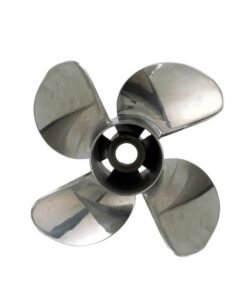
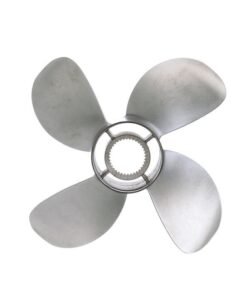
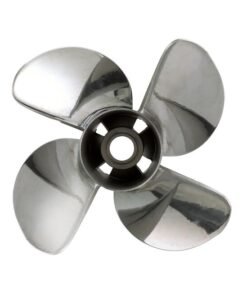
Quicksilver Q4 14.6″ Diameter X 21″ Pitch, 4-Blade Stainless Steel Propeller, Right Hand Rotation
Right Hand Rotation
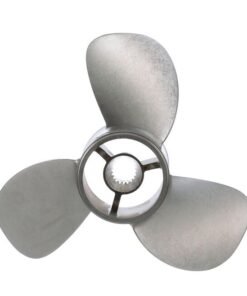
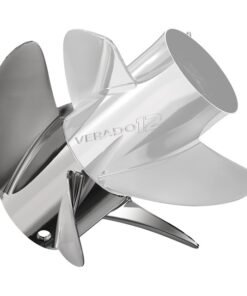
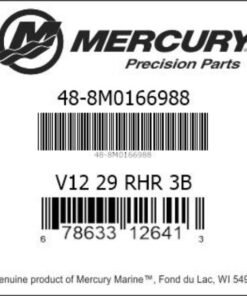
VERADO12 29 PITCH MERCURY RH 3 BLADE REAR PROPELLER 48-8M0166988
VERADO PROPELLER
VERADO12 33 PITCH MERCURY RH 3 BLADE REAR PROPELLER 48-8M0166992
Reviews
There are no reviews yet.