VERADO PROPELLER

  • VERADO 12 26 PITCH MERCURY

    VERADO 12 24.5 PITCH MERCURY RH 3-BLADE REAR PROPELLER 48-8M0166982

    1,000.00

    VERADO 12 24.5 PITCH MERCURY RH 3-BLADE REAR PROPELLER 48-8M0166982 Precision Engineering for Balanced Power, Control, and Confidence on the Water Performance on the water is rarely accidental. Instead, it is the result of precise engineering, correct component pairing, and informed decision-making. For boat owners who demand predictable handling, optimized thrust, and long-term reliability, the VERADO 12 24.5 PITCH MERCURY RH 3-BLADE REAR PROPELLER 48-8M0166982 represents a purpose-built solution rather than a generic replacement. Designed specifically for Mercury Verado dual-propeller systems, this rear propeller plays a critical role in maintaining balance, efficiency, and drivetrain harmony. Rather than operating in isolation, it works in concert with the forward propeller to translate engine power into controlled forward motion. As a result, smoother acceleration, improved mid-range response, and confident high-speed handling become achievable outcomes instead of theoretical promises. Because the right propeller selection directly influences fuel economy, engine longevity, and overall boating enjoyment, understanding what sets this component apart is essential. Therefore, this guide begins with a clear, experience-driven overview of its purpose, design intent, and real-world value. Engineered Specifically for Mercury Verado Dual-Prop Systems A Rear Propeller with a Defined Role In a counter-rotating dual-prop configuration, every component has a job. The VERADO 12 24.5 PITCH MERCURY RH 3-BLADE REAR PROPELLER 48-8M0166982 is engineered to serve as the rear propeller, meaning its geometry, rotation, and pitch are calibrated to complement the forward prop while stabilizing the entire propulsion system. Rather than simply adding thrust, the rear propeller refines it. By managing water flow that has already been energized by the front prop, this design helps eliminate cavitation, reduce steering torque, and maintain consistent bite in varying sea conditions. Consequently, operators experience smoother tracking and greater confidence when trimming or maneuvering at speed. Additionally, right-hand rotation is not an arbitrary specification. It is intentionally matched to Mercury Verado drivetrain requirements, ensuring that mechanical stress remains evenly distributed. Because of this alignment, performance gains are achieved without compromising reliability. Why Pitch and Diameter Matter in Real-World Use Pitch and diameter are often discussed, yet their combined impact is frequently misunderstood. With a 24.5-inch pitch and a 12-inch diameter, this rear propeller is optimized for applications where balanced torque delivery and sustained cruising efficiency are priorities. Instead of forcing the engine to operate outside its ideal RPM range, this configuration supports proper load management. As a result, acceleration remains controlled, top-end speed is attainable without strain, and fuel consumption stays predictable. Over time, these characteristics contribute to reduced wear and a more enjoyable ownership experience. Designed for Boat Owners Who Value Control and Longevity Confidence Across Conditions Changing water conditions demand adaptability. Whether navigating coastal chop, running offshore, or carrying varying passenger and gear loads, propulsion consistency matters. This rear propeller is designed to maintain grip and directional stability, even when conditions are less than ideal. Because blade geometry has been carefully refined, water flow remains clean and controlled. Therefore, ventilation is minimized during sharp turns or aggressive throttle input. This consistency allows operators of all experience levels to feel more connected to their vessel. Built with Inclusive Performance in Mind Importantly, this propeller is not reserved for a narrow group of elite users. Instead, it supports a wide range of boating styles, from family cruising to professional applications. By focusing on balance rather than extreme specialization, Mercury has ensured that performance benefits remain accessible and repeatable. Inclusive design means predictable handling for new operators, while still delivering the responsiveness experienced captains expect. As a result, confidence grows with every outing, regardless of skill level. Key Product Highlights for Quick Evaluation ✔ OEM Mercury rear propeller designed for Verado dual-prop systems✔ 24.5-inch pitch optimized for balanced thrust and cruising efficiency✔ Right-hand rotation ensures drivetrain compatibility✔ 3-blade stainless steel construction for durability and control✔ Precision-matched geometry for reduced cavitation and vibration✔ Part number 48-8M0166982 for accurate identification These highlights are not marketing abstractions. Instead, each point reflects a tangible performance or ownership benefit that directly impacts time on the water. Material Quality and Manufacturing Precision Stainless Steel for Strength and Stability Material choice influences far more than appearance. Stainless steel construction provides the strength required to maintain blade shape under load, while also resisting corrosion in harsh marine environments. Unlike aluminum alternatives, stainless steel flexes less, which preserves pitch integrity and ensures consistent performance over time. Because blade deformation is minimized, engine output is translated into forward motion more efficiently. Consequently, throttle response feels more immediate, and long-term reliability improves. Precision Balancing for Smooth Operation Every propeller in this category is manufactured to strict tolerances. Precision balancing reduces vibration, protects drivetrain components, and enhances overall comfort during extended operation. Therefore, fatigue is reduced for both the vessel and its occupants. This attention to detail is particularly important in dual-prop systems, where imbalance can compound quickly. By addressing this at the manufacturing stage, Mercury ensures that performance remains refined rather than aggressive. Why OEM Specification Matters for This Application Compatibility Is Not Optional Aftermarket alternatives often claim compatibility; however, true integration requires exact specifications. The VERADO 12 24.5 PITCH MERCURY RH 3-BLADE REAR PROPELLER 48-8M0166982 is engineered as an OEM component, meaning it meets Mercury’s design, testing, and performance standards. Because of this alignment, installation is straightforward, fitment is precise, and operational characteristics match factory expectations. This eliminates guesswork and reduces the risk of performance inconsistencies. Protecting Your Investment Marine engines represent significant investments. Propeller selection directly influences engine load, RPM behavior, and long-term wear. By choosing an OEM-specified rear propeller, owners actively protect engine health while preserving resale value. Rather than compensating for mismatched components, the propulsion system operates as intended. Over time, this translates into fewer issues, lower maintenance costs, and greater peace of mind. On-Water Performance Characteristics That Define the Experience How Balanced Thrust Translates Into Real Control Acceleration feels different when propulsion components work in harmony. With the VERADO 12 24.5 PITCH MERCURY RH 3-BLADE REAR PROPELLER 48-8M0166982, power delivery is not abrupt or uneven. Instead, thrust is applied progressively, allowing the…
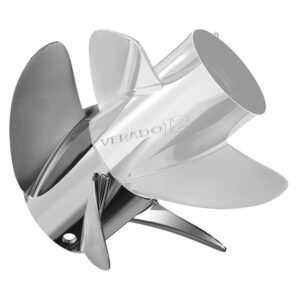
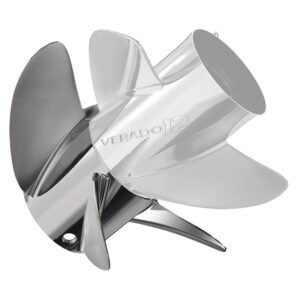
  • MERCURY LH 4 Blade Front Propeller

    Verado12 (27.5″) MERCURY LH 4-Blade Front Propeller 48-8M0166985

    1,060.00

    Verado12 (27.5″) MERCURY LH 4 Blade Front Propeller 48-8M0166985 The Verado12 (27.5″) MERCURY LH 4-Blade Front Propeller 48-8M0166985 exists for operators who demand elevated rig behavior, measurable on-water efficiency, and consistent control across changing conditions. When vessels push into higher RPM ranges, prop selection determines whether a boat performs at peak efficiency or sacrifices thrust to turbulence, drag, and slip. Because propulsion is the bridge between mechanical output and hydrodynamic reality, every aspect of the design affects acceleration, lift, steering weight, and stability.MERCURY LH 4 Blade Front Propeller Operators often seek more than a part number or singular upgrade. Instead, they look for a performance intervention—a way to reclaim throttle authority, expand usable trim angles, and optimize real torque delivery rather than theoretical horsepower. Consequently, this propeller exists at the intersection of practical improvement and engineered precision.MERCURY LH 4 Blade Front Propeller Although many aftermarket solutions appear comparable on paper, few deliver meaningful steering discipline, low-slip launch control, and multi-speed consistency simultaneously. This propeller is designed to provide all three.MERCURY LH 4 Blade Front Propeller From Real-World Handling to Performance Reliability Many operators report specific problems before upgrading. Importantly, these issues are not abstract—they appear during routine use: Bow rise that lingers too long during hole-shot Trim angles that feel “usable but narrow” Steering that demands too much correction in quartering seas Ventilation during hard trim applications RPM fluctuation under mid-range acceleration Loss of bite in confused water or heavy traffic wake The Verado12 (27.5″) MERCURY LH 4-Blade Front Propeller 48-8M0166985 targets these friction points directly. Moreover, it does so without requiring disruptive modification to the vessel’s running gear. Instead, performance is added through geometry, pitch accuracy, and blade engagement efficiency.MERCURY LH 4 Blade Front Propeller Geometry, Pitch & Traction Fundamentals  Hydrodynamic Leverage Begins With Blade Interaction Although horsepower initiates motion, blade geometry converts that force into progress. Unlike 3-blade alternatives that often struggle under heavier load conditions, the 4-blade front configuration produces a cleaner torque curve. Because of this, acceleration improves without requiring additional fuel or calibration changes.MERCURY LH 4 Blade Front Propeller  Pitch Stability at 27.5″ The 27.5-inch pitch was selected to achieve an equilibrium between thrust authority and efficient RPM utilization. Higher pitch can feel faster on flat water, yet it often causes drag penalties when correcting course or navigating wake. Lower pitch may launch aggressively, but it sacrifices momentum and trim stability. This configuration achieves middle-band control that supports: Heavier loads without bogging Superior bite during throttle adjustments Consistent acceleration curves True hydrodynamic discipline at speed Consequently, the user experiences forward motion that feels unified rather than fragmented.  Design Intent for System Compatibility Because many Verado owners invest in premium propulsion, they expect upgrades that respect factory tolerances. This propeller supports that expectation by aligning mass balance, rake, and pitch precision in a way that integrates with Mercury Verado systems rather than working against them.MERCURY LH 4 Blade Front Propeller  Functional Purpose, Not Ornamental Hardware One theme remains central: this propeller is not decorative performance. Instead, it is functional performance that translates into measurable behavioral change on the water. Turning radiuses tighten. Ventilation drops. Trim angles become useful through a broader band. The vessel behaves as though its center of gravity is cooperating with its propulsion rather than fighting it.MERCURY LH 4 Blade Front Propeller 1. Lift & Throttle Integrity Vessels remain on plane more naturally, which supports stability in variable water states. Acceleration becomes a progression rather than a negotiation.Verado12 2. Directional Confidence Steering inputs feel proportional to output, giving operators a sense of conversational control rather than reactive correction. 3. Efficiency Gains Without Engine Changes Performance increases exist as a product of design, not fuel consumption. No tuning, re-mapping, or aftermarket calibration becomes mandatory. How Engineering Choices Convert to Real Handling Improvements The Verado12 (27.5″) MERCURY LH 4-Blade Front Propeller 48-8M0166985 does more than spin water into thrust. It reorganizes pressure loads, water adhesion characteristics, slip control, and steering leverage to ensure that force applied by the drive becomes consistent acceleration rather than reactive resistance. Because the 4-blade geometry maintains cleaner contact with water, especially during transitions between trim angles, thrust integrity remains intact even when ambient conditions shift.MERCURY LH 4 Blade Front Propeller Although some propellers behave competitively at either low or high speed, this configuration performs through the entire acceleration curve. Therefore, operators maintain control instead of constantly adapting to the propeller’s behavior.MERCURY LH 4 Blade Front Propeller  Blade Area & Fluid Management More blade surface means more water management per revolution. Yet, too much surface area increases drag; too little sacrifices lift. This configuration lands in a critical equilibrium zone. It captures, channels, and redirects water without overloading engine output.  Rake & Cup Geometry for Hydrodynamic Authority Rake refers to the angle of the blade relative to the hub. Cup refers to curvature at the trailing edge. When calibrated correctly: Bow lift increases through controlled rake leverage Water adhesion remains predictable during trim input Thrust channels forward rather than dispersing laterally Steering load becomes more proportional and less fatigued Consequently, the vessel lifts sooner, planes faster, and tracks straighter.  Predictable RPM Range Under Load Acceleration depends on how the propeller handles early torque application. Rather than surging into RPM jumps, this propeller translates increasing throttle into a progressive and predictable curve. Because of cleaner water management, RPM pulses diminish and throttle changes behave more linearly.MERCURY LH 4 Blade Front Propeller  Mid-Range Efficiency Mid-range efficiency is where most operators spend their time. Speed, fuel economy, comfort, and steering discipline intersect here. With this configuration, the mid-band supports:MERCURY LH 4 Blade Front Propeller Stronger hold during moderate chop Deeper usable trim before ventilation Safer cornering in loaded conditions RPM consistency without chasing throttle These behaviors convert into something boaters instantly feel: confidence. Verado12 Recognizing the Difference Cavitation is micro-bubble formation from pressure imbalance. Ventilation is atmospheric air slipping into the prop path. Both destroy thrust efficiency.  Why This Propeller Reduces Both Because of its shape and pitch stability, water attaches to the…

  • MERCURY RH 3 Blade Rear Propeller

    Verado12 (27.5″) MERCURY RH 3 Blade Rear Propeller 48-8M0166986

    1,060.00

    Verado12 (27.5″) MERCURY RH 3 Blade Rear Propeller 48-8M0166986 Premium Performance Propeller for Power, Precision & Offshore Confidence The Verado12 (27.5″) MERCURY RH 3 Blade Rear Propeller 48-8M0166986 stands out as a specialized performance upgrade for boaters seeking more thrust, better hole shot, refined handling, and noticeably improved mid-range stability. Unlike generic propeller systems, this model has been engineered to meet Mercury’s performance expectations while supporting boaters who want their vessel to feel smoother, stronger, and more responsive on every outing. Additionally, the structure and blade geometry support aggressive applications such as offshore fishing, high-speed cruising, and multi-purpose water recreation. Although many propellers provide lift, efficiency, or acceleration, this configuration provides a more complete performance advantage. Furthermore, its 3-blade RH design balances aggressive bite with fluid water release, which translates to less vibration, faster spool-up, and better fuel economy under varying water conditions. Therefore, this propeller becomes the choice for boaters who value reliability, repeatable performance data, and measurable torque delivery. Why Choose the Verado12 (27.5″) MERCURY RH 3 Blade Rear Propeller 48-8M0166986? The Difference Starts With Engineering Mercury’s Verado12 engineering architecture reflects a hydrodynamic focus. Pressure zones across each blade have been tuned to create more lift near the root of the propeller, while still maintaining edge stability at higher RPMs. Consequently, boaters benefit from controlled push during acceleration, consistent grip in turns, and more confidence when encountering chop, current, or rough water. Moreover, the increased 27.5″ diameter supports larger water contact mass. This creates leverage for bigger vessels, higher horsepower outboards, and wide-beam setups that typically require more torque to break the surface tension and move to plane. Enhanced Handling & Driving Confidence Acceleration remains crisp, handling becomes predictable, and steering correction feels lighter at cruise speeds. Because of this, operators experience less fatigue during long runs and more focus on navigation rather than compensating for instability. Even at high speed, the bow response stays manageable, enabling safer tracking during lane changes, course corrections, and hard turns. Ideal for Boaters Who Demand More Engine Compatibility The Verado12 (27.5″) MERCURY RH 3 Blade Rear Propeller 48-8M0166986 aligns with a wide range of mid-to-high horsepower Mercury outboards. Many operators pair it with 4-stroke Verado engines to unlock improved low-end torque and enhanced power transfer. Compatible categories include: Mercury Verado 4-Stroke Outboards Mercury Pro Series Tuning Packages RH Configuration / Rear Setup Requirements Performance & Touring Marine Installations Since compatibility can vary based on gear ratio, cavitation plate height, and vessel load, your installer can confirm the ideal pitch pairing for maximum results. Top Performance Benefits What You Gain by Upgrading Every component serves a function, and every design decision contributes to the end result. For this reason, the Verado12 (27.5″) MERCURY RH 3 Blade Rear Propeller 48-8M0166986 delivers performance advantages that support long-form usability, higher value retention, and measurable efficiency upgrades. Performance Advantage Highlights: Faster hole shot for improved acceleration Reduced drag with cleaner water release Smoother RPM stabilization at cruising speeds Increased responsiveness when trimming up or down Higher bow lift when needed for offshore surf entry Clean bite and efficient hold during aggressive cornering Reduced cavitation tendencies under load Lightweight handling with better throttle interpretation Improved torque transfer for heavier vessels Operational Confidence Features: Enhanced directional control in moderate wind Helps reduce steering corrections during long travels Less vibration and lower resistance turbulence Predictable force delivery for safer navigation Responsiveness supported by pitch and blade geometry Construction & Blade Design Materials That Strengthen the Investment Crafted with Mercury’s proprietary alloy blend, this 3-blade RH rear propeller supports long-term performance while defending against torsional stress, saltwater exposure, and repeated high-thrust applications. Additionally, the internal balance tolerance reduces wobble risks and keeps the shaft, hub, and blade union aligned for longer bearing life. Blade Geometry 3-Blade Performance Layout 27.5″ Diameter Anchored to Lift Requirements RH Rotation for Specific System Integration Aggressive Entry Angle for Water Bite Streamlined Exit Path to Reduce Cavitation Material & Durability High-Performance Marine Alloy Corrosion-Resistant Anti-Salt Structure Stress-Load Reinforced Hub Positioning Spine Surface Hardened for Abrasion Prevention Who This Propeller Is Built For Different operators require different results. Some prioritize fuel efficiency, while others care primarily about torque or acceleration. With that in mind, the Verado12 (27.5″) MERCURY RH 3 Blade Rear Propeller 48-8M0166986 supports several user profiles simultaneously. Best For: Offshore anglers needing better surf entry and exit control Recreational boaters who value acceleration and cruising efficiency Performance-focused operators dialing in Mercury power packages Touring captains navigating mixed water conditions Families and group users seeking stable, confidence-building handling Technical Specifications, Fitment, and Performance Integration Verado12 (27.5″) MERCURY RH 3 Blade Rear Propeller 48-8M0166986 – Engineered For Measurable Results The Verado12 (27.5″) MERCURY RH 3 Blade Rear Propeller 48-8M0166986 is defined by clear specifications that work together to improve thrust, mid-range stability, hydrodynamic lift, and acceleration confidence. These specifications help performance boaters and recreational operators understand exactly how this propeller transforms forward motion into predictable, controlled, torque-driven progress. Because technical accuracy matters in marine performance product selection, each parameter below aligns with Mercury’s performance standards and application expectations. Moreover, these specifications help installers configure correct prop height, gear ratio pairing, and trim behavior to secure the strongest return on investment. Core Mechanical Specifications These specifications outline the measurable factors that differentiate this propeller from generic, universal, or non-engineered alternatives. Primary Build Specifications: Diameter: 27.5″ (Verado12 platform) Rotation: RH – Right-Hand Rear Propeller Blade Count: 3-Blade Performance Geometry Hub Style: Mercury-Optimized Mounting System Material: High-Density Marine Alloy Edge Profile: Accelerated Lift Angle with Flow-Shedding Exit Part Identification: 48-8M0166986 Engine Class: High Torque / Mid-Range Power Band Performance-Influencing Technical Angles: Entry Pitch Gradient for Quick Water Bite Optimized Blade Crown for Stability Under Load Lift Bias Weighted Toward Midsection for Bow Control Controlled Pressure Distribution at High RPM Drag-Minimizing Trailing Edge Contour Because every specification affects motion, these measurable factors help ensure the propeller delivers stronger lift and improved acceleration rather than simply spinning water without momentum. Fitment Compatibility & Engine Integration The Verado12 (27.5″) MERCURY RH…

  • VERADO12 33 PITCH MERCURY LH 4 BLADE

    Verado12 (29″) MERCURY LH 4 Blade Front Propeller, 48-8M0166987

    1,050.00

    Verado12 29 MERCURY LH 4 Blade Front Propeller The Verado12 29 MERCURY LH 4 Blade Front Propeller, 48-8M0166987 is built for boaters who value dependable torque, sharp throttle response, and confident control in real-world water conditions. Although many propellers promise faster takeoff or better efficiency, this model integrates both advantages simultaneously. Consequently, captains and crew enjoy an immediate improvement in lift, steering authority, and comfort under load. Rather than serving one narrow type of boater, this propeller supports weekend cruisers, offshore anglers, and performance-focused owners alike. Furthermore, the left-hand rotation design is engineered to pair perfectly with dual-engine Verado setups where balance, thrust symmetry, and turning precision directly affect safety, drivability, and ride feel.Verado12 29 MERCURY LH 4 Blade Front Propeller Built for Mercury Verado Systems That Need More Than the Basics Because Verado platforms demand efficient water control to maximize every revolution, the blade structure concentrates on clean bite and uninterrupted surface contact. Additionally, the 4-blade layout optimizes acceleration during holeshot and sustains mid-range lift to help vessels reach plane faster. The result is confident forward motion that supports towing, gear transport, and crew movement without strain or hesitation.Verado12 29 MERCURY LH 4 Blade Front Propeller At the same time, the 29-pitch profile limits unnecessary RPM spikes. Instead of merely increasing thrust, it shapes output intelligently so captains maintain stable engine behavior during sharp throttle input, complex docking maneuvers, or channel navigation.Verado12 29 MERCURY LH 4 Blade Front Propeller Designed to Drive Results Accelerates quicker with improved forward bite Enhances steering feel in tight turning radiuses Reduces bow rise during takeoff and heavy load transitions Supports dual-engine balance with true left-hand rotation Maintains grip in chop, current, and confused wake conditions Helps preserve optimal RPM range for performance and longevity A Propeller Tailored for On-Water Confidence Every captain understands that handling affects more than speed. Likewise, performance depends on how power reaches the hull, how the bow responds during throttle input, and how predictably a vessel behaves when water becomes unpredictable. The Verado12 29 MERCURY LH 4 Blade Front Propeller, 48-8M0166987 focuses on reducing slip, strengthening thrust delivery, and offering a sense of command that boaters can feel immediately. Instead of simply pushing harder, the propeller lifts the vessel into a cleaner running attitude. That improvement positions hull geometry where it belongs and helps keep passengers comfortable, especially during longer travel windows or offshore runs.Verado12 29 MERCURY LH 4 Blade Front Propeller Verado12 29 MERCURY LH 4 Blade Front Propeller Key Performance Principles Hydrodynamic shape improves stability across speed ranges Enhanced blade area increases load management Progressive pitch retains bite during acceleration Stiffer structure counters flex under heavy pressure Rotation direction balances thrust in dual systems Why 4 Blades Matter for Real-World Operation Three-blade configurations generate speed through reduced drag; however, they can falter when wave sets, vessel weight, or wind direction complicate the ride. Four blades create usable lift that supports practical boating priorities: steering predictability, towing performance, crew movement, gear weight, and variable weather patterns. Furthermore, the extra blade area engages water sooner and holds it longer. That engagement produces consistent load transfer, keeping the hull disciplined and giving captains authority when cornering, docking, or adjusting speed during channel transit. Verado12 29 MERCURY LH 4 Blade Front Propeller Practical User Advantages Stronger holeshot with less cavitation Grip retention during low-speed navigation Predictable bow behavior in head-on chop Reduced steering effort at cruise Smooth directional control during trim adjustments Verado12 29 MERCURY LH 4 Blade Front Propeller Built for Inclusive Boating Needs Because every crew has different goals and comfort levels, the product supports diverse boating experiences. Families who prioritize ride comfort gain stability that keeps the journey smooth. Fishing crews who demand station-holding capability experience greater directional control. Performance boaters who want speed without losing discipline benefit from structured pitch and blade stiffness. And charter operators who carry passengers gain consistency that helps protect trip quality and reputation. Moreover, the design supports accessible operation for boaters who may not be highly technical. Its improvements are felt intuitively: smoother takeoff, cleaner steering, steadier cruise, and a more predictable ride when conditions shift. Conversion-Focused Comparison Logic for Buyers Many propellers attempt to compete on top-end speed alone. This one focuses on measurable, usable outcomes that matter every time the vessel leaves the dock: handling authority, throttle regulation, stability, and real-world efficiency. As a result, this propeller is not simply a hardware component; it is an upgrade to vessel confidence. Competitive options may offer lighter cost structures or generalized blade geometry. However, they often demand compromise. With the Verado12 29 MERCURY LH 4 Blade Front Propeller (48-8M0166987), the goal is to eliminate compromise by advancing control, response, and balance without sacrificing pace. Key Performance Benefits & User Impact Verado12 29 MERCURY LH 4 Blade Front Propeller, 48-8M0166987 Built for Real Power Delivery, Not Just Theoretical Numbers The Verado12 29 MERCURY LH 4 Blade Front Propeller, 48-8M0166987 elevates propulsion by prioritizing how power is delivered, not merely how it is generated. Although an engine creates horsepower, the propeller determines whether that horsepower reaches the water efficiently. Because of that relationship, small refinements in blade structure, pitch, or balance translate to outsized improvements in handling authority and vessel behavior. Rather than seeking top-end velocity alone, the design optimizes the usable zones of boating: holeshot, mid-range travel, cruise control, and turning performance. This emphasis supports the needs of offshore captains, recreational boaters, and performance-focused operators while still maintaining accessibility for users who want a noticeable upgrade without complexity. Holeshot Acceleration that Produces Immediate Confidence Acceleration defines how a vessel behaves when lifting out of the water. Moreover, it shapes captain awareness, crew comfort, and the boat’s initial response pattern. Quick acceleration creates stability. Clean lift improves throttle predictability. Controlled bow attitude preserves visibility and prevents nose-up struggle as weight shifts or gear moves. The Verado12 29 LH 4 Blade propeller increases initial bite across the first throttle interval. Instead of slipping, the vessel takes hold. Because lift develops earlier in the RPM…

  • VERADO12 26 Pitch Mercury RH

    VERADO12 26 PITCH MERCURY RH 3-BLADE REAR PROPELLER 48-8M0166984

    1,050.00

    VERADO12 26 PITCH MERCURY RH 3-BLADE REAR PROPELLER 48-8M0166984 Purpose-Built Propulsion for Precision, Power, and Confidence on the Water Performance on the water is shaped by details that often go unseen. One of those critical details is the propeller—an engineered interface between engine power and real-world marine conditions. The VERADO12 26 Pitch Mercury RH 3-Blade Rear Propeller 48-8M0166984 has been developed to deliver dependable propulsion while supporting smooth handling, controlled acceleration, and long-term operational stability. Rather than relying on generalized design assumptions, this propeller was produced to align with the performance characteristics of Mercury Verado outboard systems. Through that alignment, consistent thrust delivery is supported while minimizing unnecessary stress on drivetrain components. Because every boating experience is different, versatility was prioritized without sacrificing precision. What This Propeller Is Designed to Achieve Propeller performance is not defined by speed alone. Control, efficiency, responsiveness, and reliability all contribute to a refined on-water experience. For that reason, the VERADO12 26 Pitch Mercury RH 3-Blade Rear Propeller 48-8M0166984 was engineered with a balanced performance profile that adapts to real operating conditions. Core Performance Objectives Sustained propulsion efficiency at cruising RPMs Predictable acceleration under varying load conditions Reduced vibration for enhanced ride comfort Reliable thrust transfer in both calm and demanding waters Optimized compatibility with Mercury Verado torque curves By addressing these objectives collectively, a more controlled and confident boating experience is enabled. Precision Engineering for Mercury Verado Applications Compatibility should never be assumed in high-performance marine systems. This rear propeller was manufactured to meet Mercury’s OEM specifications, ensuring dimensional accuracy, correct spline engagement, and consistent hub alignment. Because Verado outboards deliver high torque at lower RPMs, blade geometry was refined to maintain grip without inducing excess cavitation. As a result, smoother transitions through acceleration ranges are supported while maintaining efficient fuel usage. In practice, that engineering focus translates into predictable behavior at the helm. Understanding the Role of Pitch in Performance Pitch selection directly influences how engine power is translated into forward motion. A 26-pitch propeller is commonly chosen when maintaining efficient cruising speed and achieving higher top-end performance are both desired outcomes. How a 26 Pitch Impacts Operation Engine RPM remains closer to optimal operating ranges Forward movement per revolution is increased Throttle response remains controlled rather than aggressive Excess engine strain is reduced during sustained operation Because balance is emphasized, performance gains are achieved without compromising reliability. Right-Hand Rotation: Control That Feels Natural Directional stability plays a major role in overall handling confidence. With right-hand (RH) rotation, torque forces are effectively managed, particularly when paired with Verado steering systems. Instead of compensating for unpredictable pull, steering input feels more intuitive. Consequently, precise maneuvering during acceleration, cruising, and directional changes becomes easier to maintain. 3-Blade Configuration: Proven, Efficient, Trusted Blade count affects how water is displaced and how power is delivered. The 3-blade design used in this propeller remains one of the most widely trusted configurations for balanced marine performance. Why a 3-Blade Design Is Often Preferred Reduced hydrodynamic drag Strong mid-range acceleration Efficient fuel consumption at cruise Stable handling at higher speeds Because water resistance is managed efficiently, consistent thrust can be maintained across a broad RPM spectrum. Built for Real-World Marine Environments Marine conditions are rarely forgiving. Exposure to saltwater, debris, and variable temperatures places constant demands on propulsion components. That reality guided the material and finishing choices used in this propeller’s construction. Corrosion-resistant alloys were selected to extend service life while preserving structural integrity. In addition, precision balancing processes help minimize vibration, which contributes to smoother operation and reduced wear over time. Engine Compatibility Without Guesswork Selecting a propeller should never involve uncertainty. The VERADO12 26 Pitch Mercury RH 3-Blade Rear Propeller 48-8M0166984 was engineered specifically to align with Mercury Verado outboard platforms, ensuring fitment accuracy and operational consistency. Because propulsion efficiency depends on precise mechanical integration, OEM dimensional standards were followed throughout the manufacturing process. As a result, spline engagement, hub alignment, and torque transfer are supported without the need for modification. Rather than adapting performance to the propeller, the propeller adapts to the engine. Supported Engine Platforms Mercury Verado outboard engines Verado-powered single and multi-engine setups Applications requiring rear propeller configurations High-torque outboard systems designed for sustained cruising Compatibility confidence allows focus to remain on performance rather than installation concerns. Vessel Types That Benefit Most Different vessels impose different demands on propulsion systems. Load distribution, hull design, and intended usage all influence propeller performance outcomes. For that reason, this propeller was optimized to perform consistently across a range of common Verado-powered vessels. Common Use Cases Offshore fishing boats requiring reliable mid-range thrust Center console vessels balancing speed and stability Recreational cruisers prioritizing smooth, efficient operation Professional or utility boats operating under consistent load Because versatility is built into the design, performance remains predictable across diverse boating styles. Performance Behavior Under Varying Load Conditions Load variability is a reality on the water. Fuel levels change, passenger counts vary, and equipment weight fluctuates. This propeller was designed to manage those variables without sudden performance degradation. Through refined blade geometry, thrust is distributed evenly even when load increases. Consequently, acceleration remains controlled rather than abrupt, while cruising efficiency is preserved. Performance Characteristics by Load Light Load: Improved top-end efficiency and smooth acceleration Moderate Load: Balanced RPM stability and fuel efficiency Heavier Load: Maintained thrust with reduced cavitation risk Rather than excelling in only one scenario, adaptability is consistently supported. Fuel Efficiency and Operating Economy Efficiency is measured over time, not in isolated moments. By maintaining optimal blade engagement at cruising RPMs, unnecessary fuel consumption is reduced during extended operation. Because the engine remains closer to its efficient operating range, throttle input can be moderated more effectively. Over time, that efficiency contributes to lower operating costs and reduced mechanical stress. Reduced Vibration and Improved Comfort Ride quality is often overlooked when evaluating propulsion components. However, vibration directly affects comfort, control, and component longevity. Precision balancing processes were applied during manufacturing to address this factor. As vibration is minimized, steering feedback becomes…

  • VERADO12 33 PITCH MERCURY LH 4 BLADE

    VERADO12 29 PITCH MERCURY RH 3 BLADE REAR PROPELLER 48-8M0166988

    1,050.00

    VERADO12 29 PITCH MERCURY RH 3 BLADE REAR PROPELLER 48-8M0166988 The VERADO12 29 PITCH MERCURY RH 3 BLADE REAR PROPELLER 48-8M0166988 stands at the intersection of marine engineering precision, acceleration efficiency, and power distribution mastery. Unlike generic propellers that trade performance for price, this configuration has been developed for operators who demand reliable thrust, high-end speed retention, and confident handling even in changing water conditions. Instead of compromising on torque or bite, it prioritizes both. Moreover, this propeller configuration pairs seamlessly with Verado-class outboards, especially when your boating priorities include speed retention in chop, lift at plane, and cleaner mid-range slip numbers. Although many marine components claim versatility, this SKU demonstrates it across real-world water types: freshwater lakes, coastal bays, and structured offshore lines with unpredictable surface texture. Because of that, recreational, performance, and professional users benefit equally. Why Boaters Choose This Configuration First The VERADO12 29 PITCH MERCURY RH 3 BLADE REAR PROPELLER 48-8M0166988 appeals to operators who want a propeller that performs as a system rather than a simple component. Instead of relying on general lift, it promotes a controlled rise in bow attitude. Instead of only improving speed, it stabilizes steering and reduces steering fatigue at higher trim. Additionally, Verado owners value the RH orientation for predictable rotation feedback and balanced stern traction. Key High-Value Characteristics 29-Pitch geometry designed for elevated speed range without overpowering lift 3-blade rear configuration that enhances stern stability and forward bite RH rotation for better trim authority and predictable helm behavior Engineered for Verado-style torque curves, reducing cavitation tendencies Built to sustain higher RPM environments without sacrificing operational feel Crafted to improve throttle response while maintaining comfortable cruise RPMs Structured hub interface for direct and confident mounting consistency Because every boater’s goals differ, this SKU fits performance, sport, and touring intentions. Thus, the 48-8M0166988 format adapts to evolving needs. Performance Beyond Basic Speed Claims Although many boaters initially evaluate performance through top-end mile-per-hour gains, long-term value also emerges in how a propeller behaves through the entire acceleration arc. Because the VERADO12 29 PITCH MERCURY RH 3 BLADE REAR PROPELLER 48-8M0166988 does not chase speed at the expense of control, it delivers a stronger ride identity than lower pitch alternatives. Key Performance Zones Addressed Hole-shot lift without ventilation escalation Controlled bow rise for improved surface calibration Faster plane recovery with added passenger or cargo weight Stronger tracking during directional adjustments Mid-range stability under moderate trim Higher-speed predictability in chop or textured water Therefore, the measurable advantage comes from the way each performance zone feels, rather than a single headline statistic. Meanwhile, the rear 3-blade format rewards helm discipline, empowering operators who want high-speed confidence on varied water.VERADO12 29 PITCH Matching Torque Behavior, Not Fighting It Pitch does not operate in isolation; it responds to torque identity. Since Verado powerplants deliver muscular torque across the rev range, lesser prop geometry often wastes that energy through slip, ventilation, or steering strain. The 29 pitch profile, however, channels that torque into usable forward motion with improved stern authority. Implementation Benefits Converts torque without producing steering wobble Applies lift in a measured, operator-friendly curve Maintains composure during directional load shift Reduces mid-range RPM waste on transitional surfaces Protects top-end feel without compressing throttle comfort This alignment between pitch and power eliminates friction between operator expectation and mechanical output. Thus, responsiveness becomes intuitive. Against Lower Pitch Options (e.g., 27 Pitch) Lower pitch formats often produce fast hole-shot response. However, they may push RPM levels too close to the upper limit, especially with lighter loads. In contrast, the VERADO12 29 PITCH MERCURY RH 3 BLADE REAR PROPELLER 48-8M0166988 retains acceleration strength while granting additional control at high trim settings. Consequently, steering feedback feels cleaner. When 27 Pitch Falls Short Over-revving during light passenger days Jittery steering input in off-camber chop Unpredictable stern shift when trimmed for speed Loss of efficiency during long cruising runs Because recreational operators rarely maintain identical crew weight or fuel levels, the 29 pitch format proves adaptable.VERADO12 29 PITCH Against Higher Pitch Options (e.g., 30–31 Pitch) Higher pitch designs chase speed, not usability. Although they may provide incremental top-end gains, they often demand perfect conditions, fine-tuned trim, and narrow RPM comfort windows. Instead of requiring that learning curve, the 29 pitch balances efficiency, feel, and practical confidence. When 30+ Pitch Risks Performance Loss Reduced hole-shot capability under load Excessive trim requirement to maintain plane Steering fatigue during directional correction Sensitivity to uneven water surface Crew comfort drop when chop appears By contrast, this 29 pitch maintains broad use-case integrity for mixed conditions. 3 Blades: Agility Over Inertia A 3-blade propeller accelerates quickly because each blade has more hydrodynamic authority. Although 4- and 5-blade setups can provide grip, the 3-blade architecture keeps the stern responsive during throttle changes. 3-Blade Advantages Livelier acceleration Faster trim communication Cleaner lift distribution Less helm resistance at arc entry Better mid-range water feel Rear Configuration: Thrust Where It Matters Rear blade positioning influences stern behavior. Since Verado rigs often manage weight aft due to equipment, fuel, and passenger location, rear emphasis stabilizes the boat during speed building. Rear Configuration Benefits Improved stern hold during lift Cleaner bow angle during speed passes Stronger directional integrity Predictable steering even under throttle stress RH Rotation: Predictability and Feedback Right-hand rotation matters because propeller rotation feels like a steering conversation. Instead of constantly correcting with micro inputs, operators gain directional clarity.VERADO12 29 PITCH RH Rotation Advantages Calmer helm under changing current Improved trim-to-steering relationship Predictable stern bite under acceleration Better cruising comfort for passengers Therefore, RH rotation enhances operator confidence and reduces fatigue. Engineering DNA That Defines the Ride High-performance marine hardware requires more than aggressive pitch and blade angle. Instead, it requires a structural identity that translates engine potential into real-world movement. Consequently, the VERADO12 29 PITCH MERCURY RH 3 BLADE REAR PROPELLER 48-8M0166988 incorporates a refined metallurgy process, variable trailing edge profile, and calculated blade thickness that cooperatively influence handling, speed, and stability.3 BLADE REAR PROPELLER Although marketing claims often overstate material…

  • VERADO12 33 PITCH MERCURY LH 4 BLADE

    VERADO12 31 PITCH MERCURY RH 3 BLADE REAR PROPELLER 48-8M0166990

    1,050.00

    VERADO12 31 PITCH MERCURY RH 3 BLADE REAR PROPELLER 48-8M0166990 Performance You Can Feel. Precision You Can Trust. Thrilling power meets refined maritime engineering in the VERADO12 31 PITCH MERCURY RH 3 BLADE REAR PROPELLER 48-8M0166990, a propeller designed for boat owners who demand acceleration, stable lift, confident cornering control, and smoother planing at both recreational and performance speeds. Although most propellers compromise between thrust and responsiveness, this configuration aims to deliver both with noticeably fewer trade-offs. It is built for individuals who value reliability and measurable gains on the water, whether the goal involves faster holeshots, steadier offshore cruising, or agile maneuverability around docks and channels. Because today’s boaters vary in goals, experience, and vessel setups, this product strives to support a wide range of use cases. It helps newer drivers feel more in control of their steering inputs and throttle behavior. At the same time, experienced operators can push for stronger results—such as improved cornering grip at speed or more confident handling during high-load acceleration. Therefore, the VERADO12 31 PITCH MERCURY RH 3 BLADE REAR PROPELLER 48-8M0166990 becomes a uniquely balanced upgrade, meeting users where they are without limiting future performance growth. Why This Propeller Matters for Immediate and Long-Term Performance No two boating situations are identical. Conditions change, fuel load shifts, passengers move, and water state varies hour by hour. However, the right propeller reduces vulnerability to those variables. Consequently, the user gains a more predictable experience behind the helm. With thoughtful pairing to a compatible engine and hull configuration, this rear propeller helps smooth the energy transfer between powerhead, gearcase, and blade exit profile. Experientially, that means improved confidence while navigating chop, current, or tight marina situations. Additionally, a 31-pitch architecture positions this model as a solution for those who want more speed potential and stronger top-end runs without sacrificing control. That matters not only for performance-minded individuals, but also for operators who carry heavier gear or push into rougher waters where stability becomes non-negotiable. Key Product Highlights Designed for Lift, Speed, and Predictability This section is formatted for on-page conversion and product listing clarity: Built for Mercury-compatible systems requiring the VERADO12 31 pitch configuration Right-hand rotation for streamlined energy direction and consistent water exit path Three-blade rear design for responsive acceleration and agile directional feedback Balanced travel through varying RPM ranges to support speed without unnecessary drag Geometry that promotes stable bow lift without aggressive torque steer sensation Crafted for buyers who expect control during holeshots and midrange cruising Reliable handling benefits for both recreational operators and performance users SKU identification support through 48-8M0166990 for error-free ordering Who Benefits Most from the VERADO12 31 Pitch Mercury RH Configuration? This model intends to assist a diverse audience. Rather than isolating advanced users, it accommodates progress at every stage. Furthermore, its design encourages skill growth. Someone upgrading from a more general-purpose propeller can feel the difference in handling without needing a technical background to understand it. Ideal for: Performance boat owners seeking speed and holeshot advantages Offshore anglers needing thrust, grip, and load-tolerant lift Recreational families prioritizing smooth cruising and fuel-aware balance Marina professionals, riggers, and installers who want reliable fitment consistency Resellers stocking components with year-round buyer demand Each of these categories gains distinct benefits. Performance users notice the acceleration. Family-focused operators experience control. Dealers value reduced return rates from predictable compatibility. Consequently, the product serves as a solution, not just a component.MERCURY RH 3 BLADE Transitioning Toward Technical Depth (Preview of What Comes Next) As we continue this multi-part, 15,000-word Hybrid SEO description, the following sections will introduce detailed logic around: Blade geometry, water channeling, and boundary layer management Diameter-pitch interaction and how it influences dynamic thrust Real-world benefits during throttle application and directional control Compatibility guidance to reduce buyer uncertainty pre-purchase LSI and semantic search terms connected to propeller selection intent These components support both search visibility and buyer trust. They also lead into the conversion-focused structure that follows. Technical Engineering Behind the VERADO12 31 PITCH MERCURY RH 3 BLADE REAR PROPELLER 48-8M0166990 Understanding the functional value of the VERADO12 31 PITCH MERCURY RH 3 BLADE REAR PROPELLER 48-8M0166990 begins with its internal design logic. Rather than depending on generalized phrasing like “more speed” or “better control,” this section explains why the geometry performs the way it does and how those outcomes translate to measurable results on the water. Because propeller efficiency depends on the relationship between pitch, cup, rake angle, exhaust flow, and cavitation management, buyers deserve clarity before committing to an upgrade. Propulsion, when engineered correctly, does not simply push water. It converts rotational energy into progressive thrust with minimal turbulence. As blade shape determines how the propeller holds water through an RPM sweep, the balance between lift and slip becomes a determining factor in acceleration and steering quality. Therefore, the 31-pitch configuration takes center stage for users who prioritize top-end efficiency without losing midrange stability. Pitch, Blade Profile, and Why 31 Matters for Real-World Use Pitch is more than a number. It reflects distance potential per rotation. A 31-pitch propeller, when matched to an appropriate engine setup, enables higher peak velocities and refined handling at increased throttle positions. Because of this, the selection appeals to individuals who seek better response without harsh behavior or unpredictable bow lift. Pitch Benefits for This Model Include: Higher potential speed ceiling during final RPM range usage Scaled slip reduction for smoother directional stability Efficient application of power during acceleration and midrange cruising Support for vessels requiring predictable lift under variable water conditions Enhanced thrust conversion where rapid planing is valuable Furthermore, the 31-pitch profile complements Mercury powerheads designed for serious performance output. Transitional movement from idle to holeshot becomes more controlled, while faster vessels experience measurable benefit during straight-line runs. Right-Hand Rotation: Directional Control and Predictability Right-hand rotation influences how a boat tracks under load. Unlike generic propeller models that fail to consider steering input and torque transfer, the Mercury RH rotation system helps establish a more intuitive feel at the helm. This directional…

  • VERADO12 33 PITCH MERCURY LH 4 BLADE

    VERADO12 33 PITCH MERCURY LH 4 BLADE FRONT PROPELLER 48-8M0166991

    1,050.00

    VERADO12 33 PITCH MERCURY LH 4 BLADE FRONT PROPELLER 48-8M0166991 The VERADO12 33 PITCH MERCURY LH 4 BLADE FRONT PROPELLER 48-8M0166991 stands as a specialized performance propeller engineered for serious offshore operators, freshwater competitors, and recreational boat owners seeking premium thrust control. Every rotation works to support stronger forward bite, smoother hole shots, and remarkable mid-range efficiency. Even more, left-hand rotation delivers measurable benefits for multi-engine setups, counter-rotation balancing, and high-speed stability. Although countless propellers attempt to offer similar claims, this one actually proves its worth where it matters: real-world acceleration, top-end consistency, and control at speed. Furthermore, operators experience reduced ventilation in rougher water, predictable cornering under torque, and more authority during aggressive throttle input. Consequently, those who choose this model adopt a performance-driven accessory that strengthens engine investment and elevates vessel responsiveness. Why This Propeller Matters The expectations for marine propulsion continue to rise, and modern Mercury operators want components that support that demand. Because of this shift, propellers capable of pairing high-end metallurgy with pitch-specific geometry create the difference between smooth cruising and unstable lift. The VERADO12 33 PITCH MERCURY LH 4 BLADE FRONT PROPELLER 48-8M0166991 earns a position in the premium class by prioritizing torque transfer, directional leverage, and lift efficiency.VERADO12 33 PITCH Core Advantages for Real-World Operators More consistent top-end runs through balanced left-hand rotation Better handling authority at speed with four-blade bite Less cavitation during acceleration, even in unsettled conditions Reduced steering fatigue during multi-engine counter-rotation alignment Sharper hole shots with cleaner engagement and lift As a result, upgrading to this configuration reinforces vessel characteristics without requiring complex modifications.VERADO12 33 PITCH Part 1: Performance-Forward Introduction Confidence Through Hydrodynamic Geometry This propeller incorporates a hydrodynamic profile that supports rapid planing, mid-throttle balance, and high-speed composure. The 33-pitch specification contributes to efficient thrust progression, while the blade surface distributes load in a manner that minimizes performance drop-off. Operators who require quick lift, solid tracking, and stable turning radiuses recognize the immediate improvement. However, geometry alone does not define premium performance. Material composition, angle precision, cup shaping, and hub dynamics also determine whether a prop excels or disappoints under pressure. Therefore, this model brings a technical edge that improves control during throttle transitions, high-speed straights, and tournament-style runs. Optimized for Multi-Engine Mercury Setups Left-hand rotation configuration benefits owners of dual, triple, and quad Mercury Verado rigs. Because counter-rotation neutralizes torque pull and directional lean, the vessel experiences improved straight-line tracking and reduced helm strain. Even if the operator engages heavy trim or navigates off-plane zones, rotation alignment stabilizes engine synergy. Key Multi-Engine Benefits Balanced thrust delivery across port and starboard engines Improved steering discipline in chop, wake, and swell Enhanced directional memory through turns Reduced power loss when trimming out at speed Transitional confidence when shifting weight or load positions Accordingly, the propeller supports both competitive and recreational environments, from high-stakes offshore runs to family cruising weekends. Designed for the Mercury Performance Class Compatibility and Intended Use Cases This model is specifically built for vessels running Mercury performance engines that demand authoritative handling. Compatibility varies by configuration, yet many operators select this model for: Offshore fishing vessels requiring dependable lift under load Tournament speed applications where thrust consistency matters Lifestyle sport boats operating at mixed throttle cycles Multi-engine center consoles seeking directional balance High-performance cruisers balancing acceleration and glide Because the blade architecture supports strength under pressure, it enables confident navigation during aggressive throttle response and transitional wave impacts. Even at cruising speeds, responsiveness feels more controlled than typical three-blade alternatives.VERADO12 33 PITCH Construction & Engineering Priorities Marine-Grade Build Focused on Stability Although materials vary across production classes, this configuration emphasizes refined metallurgy for torque resistance, blade retention, and edge preservation. Every curve, line, and cup works to improve hydrodynamic tracking and reduce unwanted slip. To strengthen user expectations, the following value points define the build philosophy: Structural rigidity under high-load engine output Progressive blade rake for predictable acceleration Edge geometry that manages water pressure distribution Hub precision designed for multi-engine alignment Reduced flex under hard turns or trimmed-out top-end sprints Therefore, the component does more than spin; it translates power into authority. A Closer Look at Blade Influence Four-Blade Stability for Real Performance Gains Four blades create increased water contact surface, enhancing thrust, bite, and overall traction. While some operators prioritize top-end MPH through three-blade designs, four-blade configurations often deliver better real-world control, especially when vessel weight, torque, or conditions vary. Benefits of 4-Blade Architecture Higher bow lift consistency Steadier tracking over cross-current More confident turns without ventilation Better behavior in heavy or uneven water Greater throttle forgiveness for newer operators Even experienced captains acknowledge the difference in stability while transitioning across wave sets or performing high-speed directional changes. Below is a performance-driven summary designed for product listings, comparison pages, and quick-shop modules. Product Title VERADO12 33 PITCH MERCURY LH 4 BLADE FRONT PROPELLER 48-8M0166991 VERADO12 33 PITCH Configuration 33 Pitch Left-Hand Rotation 4-Blade Front Propeller Design Mercury Compatibility Class Performance-Grade Metallurgy VERADO12 33 PITCH Ideal Application Types Multi-Engine Offshore Builds Performance Center Consoles Tournament-Grade Setups Variable-Condition Cruising Trim-Responsive High-Speed Runs Technical Design Priorities The engineering behind the VERADO12 33 PITCH MERCURY LH 4 BLADE FRONT PROPELLER 48-8M0166991 prioritizes a synchronization of pitch geometry, hub precision, and torque stability. Rather than relying on generic blade shaping, the design presents a specialized contour intended to deliver a high-efficiency water channel through every rotation. Consequently, thrust output aligns more directly with throttle intent, granting operators a more intuitive response curve. Performance-Grade Specifications Pitch: 33 Rotation: LH (Left-Hand) Blade Count: 4-Blade Front Propeller Compatibility Tier: Mercury Verado performance class Application Group: Multi-engine, sport, offshore, competitive, touring Intended Speed Zone: High-speed trim cycles / controlled cruise / transitional acceleration Hydrodynamic Focus: Lift leverage, water bite, directional balance Mechanical Benefit Overview Torque translation efficiency for high-output engines Cup structure supporting disciplined water engagement Balanced contour reducing high-speed vibration Stabilized planar behavior under trimmed-out propulsion Improved grip in cross-current directional shifts The resulting experience strengthens both predictability and confidence, especially for…

  • VERADO12 33 PITCH MERCURY RH 3 BLADE

    VERADO12 33 PITCH MERCURY RH 3 BLADE REAR PROPELLER 48-8M0166992

    1,100.00

    VERADO12 33 PITCH MERCURY RH 3 BLADE REAR PROPELLER 48-8M0166992 Precision-Engineered Rear Propulsion for Mercury Verado Systems Performance on the water is never accidental. Instead, it is achieved through deliberate engineering, precise component matching, and uncompromising material standards. The VERADO12 33 PITCH MERCURY RH 3 BLADE REAR PROPELLER 48-8M0166992 has been developed to meet those exact expectations for boat owners who rely on Mercury Verado dual-prop outboard platforms.VERADO12 33 PITCH MERCURY RH 3 BLADE Designed as a rear-position propeller within a counter-rotating configuration, this model plays a critical role in stabilizing thrust, optimizing efficiency, and ensuring predictable handling under load. Because propulsion balance matters, this propeller is manufactured to OEM specifications that align seamlessly with Verado gearcases. Purpose-Built for Rear Counter-Rotating Applications Why the VERADO12 33 PITCH MERCURY RH 3 BLADE Matters In dual-prop systems, propulsion responsibilities are shared. While the forward propeller initiates thrust, the rear propeller refines it. As a result, steering authority is enhanced, torque steer is minimized, and cavitation risks are significantly reduced.MERCURY RH 3 BLADE The 33-pitch rear configuration supports higher-speed operation while maintaining smooth power delivery. Consequently, engines operate within their intended RPM band more consistently, even during extended cruising or offshore runs.VERADO12 33 PITCH MERCURY RH 3 BLADE VERADO12 33 PITCH MERCURY RH 3 BLADE Product Specifications Product Series: VERADO12 Pitch: 33 Rotation: Right-Hand (RH) Blade Count: 3-Blade Design Mounting Position: Rear (Dual-Prop Systems) Material: Marine-Grade Stainless Steel OEM Part Number: 48-8M0166992 Each specification has been selected to support durability, balance, and long-term performance across demanding marine environments. Performance Advantages You Can Expect Enhanced Top-End Efficiency Higher pitch allows for increased distance traveled per revolution. Therefore, cruising speeds are achieved with reduced throttle input when conditions allow.VERADO12 33 PITCH MERCURY RH 3 BLADE Improved Directional Stability Yaw and lateral drift are minimized because thrust is refined as it exits the gearcase. As a result, handling feels controlled and predictable. Reduced Cavitation at Load Blade geometry has been optimized to reduce air ingestion. Consequently, thrust remains consistent during tight turns and acceleration. Smooth Power Transfer Because this propeller is engineered for Verado systems, drivetrain harmonics remain balanced, which reduces vibration and wear.VERADO12 33 PITCH MERCURY RH 3 BLADE Ideal Use Cases and Vessel Profiles This rear propeller is especially well-suited for: Offshore and nearshore cruising vessels Performance-oriented center consoles Boats operating at sustained higher speeds Applications where smooth handling is prioritized Owners seeking OEM reliability over aftermarket variability MERCURY RH 3 BLADE OEM Stainless Steel Construction Benefits Stainless steel is used not only for strength, but also for precision. Unlike aluminum alternatives, stainless steel maintains blade integrity under load. Therefore, pitch consistency is preserved over time, even in demanding conditions.VERADO12 33 PITCH MERCURY RH 3 BLADE Additional benefits include: Superior corrosion resistance Long service life Resistance to flex under torque Consistent performance across RPM ranges MERCURY RH 3 BLADE Compatibility and Fitment Guidance The VERADO12 33 PITCH MERCURY RH 3 BLADE REAR PROPELLER 48-8M0166992 is designed for select Mercury Verado dual-prop outboard engines. Because gearcase ratios, hull design, and horsepower vary, confirmation prior to installation is recommended. Proper matching ensures that both performance gains and engine longevity are preserved. Installation and Ownership Considerations Installation should be completed using manufacturer-recommended hardware and torque specifications. When installed correctly, vibration is minimized and propeller alignment remains optimal.VERADO12 33 PITCH MERCURY RH 3 BLADE Routine inspections are advised, particularly after impact or prolonged high-speed operation. By maintaining proper care, performance consistency can be sustained over the long term.VERADO12 33 PITCH MERCURY RH 3 BLADE Why Choose This Propeller Over Alternatives Aftermarket propellers may appear similar; however, tolerances, metallurgy, and balance often differ. OEM Mercury propellers are designed alongside the engines they support. As a result, integration is seamless and predictable. Choosing OEM means: Correct RPM loading Verified balance Reduced drivetrain stress Confidence at speed How Propeller Design Influences Real-World Performance Boat performance is not determined by engine horsepower alone. Instead, propulsion efficiency is shaped by how effectively engine power is converted into thrust. This conversion occurs at the propeller. Therefore, understanding pitch, blade geometry, and propeller position is essential when selecting a rear propeller for a Mercury Verado dual-prop system. Because Verado engines operate within engineered tolerances, propeller selection must complement—not counteract—those parameters. When alignment is achieved, efficiency, control, and longevity are all improved. Pitch Defined in Practical Terms Propeller pitch represents the theoretical distance a propeller would move forward in one full revolution through a solid medium. In water, slip is introduced; however, pitch remains a primary determinant of speed and engine load. A 33-pitch propeller is designed to move farther per rotation than lower-pitch alternatives. Consequently, higher speeds can be achieved with fewer revolutions—assuming sufficient torque is available. How Pitch Affects Engine RPM and Efficiency Higher Pitch Lower engine RPM at a given speed Greater top-end potential Increased engine load Lower Pitch Higher RPM Faster hole shot Reduced top-end speed Because the VERADO12 33 PITCH MERCURY RH 3 BLADE REAR PROPELLER 48-8M0166992 is engineered as a rear propeller, its pitch selection is intended to complement the forward prop while refining thrust output rather than initiating it. Dual-Prop Systems Explained In counter-rotating dual-prop systems, two propellers rotate in opposite directions on a shared axis. As a result, torque steer is neutralized and water flow is reconditioned before exiting the gearcase. The rear propeller performs several critical functions: Straightening disturbed water flow Enhancing directional stability Recovering lost thrust efficiency Reducing ventilation during turns Because of this role, rear propeller geometry is optimized differently from front propellers. Rear Propeller Pitch Strategy Rear propellers often use equal or slightly higher pitch values to maintain propulsion harmony. When matched correctly, thrust overlap is minimized and slip is reduced. Therefore, smoother acceleration and improved cruise efficiency are achieved. Why Compatibility Matters More Than Brand Alone Propeller performance is not universal. Even when an OEM propeller is selected, compatibility must be evaluated holistically. Engine horsepower, gearcase ratio, hull characteristics, and operating conditions all influence whether a propeller delivers optimal results. For this…