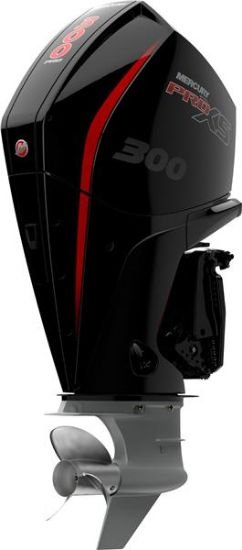
Mercury 300CXL Pro XS DTS 5.44″ 1.75
€23,889.00
Description
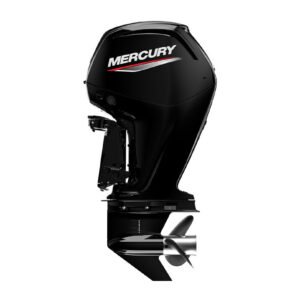
Mercury 300CXL Pro XS DTS 5.44″ 1.75″ – Ultimate Offshore & Tournament Performance Engine
Power defines authority on the water. Precision determines control at speed. Engineering excellence separates ordinary outboards from elite marine propulsion systems. The Mercury 300CXL Pro XS DTS 5.44″ 1.75″ delivers a rare combination of torque-rich acceleration, digital responsiveness, and long-range efficiency designed for serious boaters who refuse compromise.
Built for offshore anglers, tournament competitors, and performance-focused recreational operators, this 300HP V8 platform transforms demanding marine conditions into controlled, confident performance. Moreover, its advanced Digital Throttle & Shift system ensures seamless command input, while the 5.44″ heavy-duty gearcase paired with a 1.75:1 gear ratio maximizes power transfer and durability.
As expectations rise, this engine rises higher.
Why the Mercury 300CXL Pro XS DTS 5.44″ 1.75″ Stands Above the Competition
Performance alone does not define excellence. Control refines it. Durability sustains it.
The Mercury 300CXL Pro XS DTS 5.44″ 1.75″ integrates cutting-edge marine engineering with practical, real-world reliability. Instead of relying on complexity for power, Mercury engineers optimized displacement, airflow, combustion timing, and digital calibration to extract consistent, dependable output across the RPM spectrum.
Consequently, operators experience:
-
Faster holeshot acceleration
-
Stronger mid-range torque
-
Stable high-speed cruising
-
Smooth gear transitions
-
Enhanced fuel economy
Furthermore, the Pro XS tuning philosophy prioritizes throttle response and torque density, ensuring immediate acceleration even under heavy load conditions.
HIGHLIGHT FEATURES – BUILT FOR PERFORMANCE
-
✅ 300HP Naturally Aspirated V8 Four-Stroke
-
✅ Digital Throttle & Shift (DTS) Electronic Control
-
✅ 5.44″ Heavy-Duty Offshore Gearcase
-
✅ 1.75:1 Gear Ratio for High-Torque Applications
-
✅ Advanced Fuel Injection System
-
✅ SmartCraft Compatibility
-
✅ Corrosion-Resistant Construction
-
✅ Optimized Weight-to-Power Ratio
-
✅ Smooth Idle with Reduced Vibration
Each component works in synergy. Every system supports reliability. All design elements prioritize high-performance marine applications.
Engineering Excellence at the Core
Advanced 4.6L V8 Powerhead Design
At the heart of the Mercury 300CXL Pro XS DTS 5.44″ 1.75″ sits a 4.6-liter V8 four-stroke powerhead engineered for uncompromising output. Large displacement ensures torque availability across the RPM band, while precision electronic fuel injection optimizes combustion efficiency.
Instead of sacrificing durability for peak numbers, Mercury balanced horsepower delivery with structural resilience. As a result, boaters enjoy sustained performance during extended offshore runs.
Large-bore cylinders enhance airflow. Intelligent engine mapping refines ignition timing. Advanced cooling systems regulate operating temperature consistently.
Therefore, the engine maintains peak performance under stress.
5.44″ Heavy-Duty Gearcase – Offshore Strength
Torque demands structural integrity. High-speed operation requires hydrodynamic efficiency. The 5.44″ gearcase satisfies both.
Engineers designed this gearcase to withstand aggressive torque loads and sustained high RPM output. Larger gears increase durability, while optimized water inlets maintain cooling performance at elevated speeds.
Moreover, the 5.44″ configuration reduces cavitation under heavy acceleration. Consequently, boaters experience improved propeller grip and cleaner power transfer.
This gearcase thrives in:
-
Offshore center consoles
-
Large bass boats
-
Multi-species platforms
-
Heavy tournament rigs
Reliability improves confidence. Confidence improves performance.
1.75:1 Gear Ratio – Balanced Acceleration and Speed
Gear ratios influence torque delivery. Torque determines responsiveness. Responsiveness defines control.
The 1.75:1 gear ratio found in the Mercury 300CXL Pro XS DTS 5.44″ 1.75″ strikes an ideal balance between low-end thrust and high-speed cruising efficiency. Because the engine transfers power efficiently to the propeller shaft, acceleration improves without sacrificing top-end capability.
Operators benefit from:
-
Faster planing times
-
Stronger load-carrying capability
-
Efficient cruise RPM
-
Enhanced offshore throttle stability
This configuration particularly suits heavier hulls requiring consistent torque.
Digital Throttle & Shift (DTS) – Intelligent Control System
Electronic Precision Without Mechanical Resistance
Traditional cable systems introduce friction and delay. Digital systems eliminate mechanical lag.
With Digital Throttle & Shift technology, electronic signals replace physical cables entirely. Consequently, throttle input translates instantly into engine response. Gear engagement feels smooth and predictable.
Docking becomes easier. High-speed transitions feel controlled. Multi-engine synchronization improves dramatically.
Furthermore, electronic calibration ensures consistent shifting behavior over time, eliminating the need for frequent cable adjustments.
Enhanced Safety and Operator Confidence
Control enhances safety. Predictability builds trust. Technology supports performance.
The Mercury 300CXL Pro XS DTS 5.44″ 1.75″ integrates intelligent engine monitoring systems that continuously adjust fuel mapping, ignition timing, and throttle calibration. Therefore, the engine adapts to environmental variables such as temperature and load automatically.
Because responsiveness remains consistent, operators maintain full command during rapid acceleration or sudden maneuvering.
Fuel Efficiency Meets High-Output Performance
High horsepower often implies high fuel consumption. Smart engineering challenges that assumption.
Advanced electronic fuel injection optimizes air-fuel ratios across all RPM ranges. Consequently, the engine delivers impressive fuel economy during cruising speeds while maintaining full 300HP potential when demanded.
Extended offshore trips benefit from improved range. Tournament anglers conserve fuel between long runs. Recreational boaters reduce operating costs.
Efficiency supports sustainability. Sustainability supports long-term ownership value.
Built for Offshore Demands
Rough water exposes weaknesses. Heavy loads test structural limits. Offshore environments demand resilience.
The Mercury 300CXL Pro XS DTS 5.44″ 1.75″ features corrosion-resistant components and marine-grade materials engineered for saltwater durability. Protective coatings reduce oxidation risks, while sealed electrical systems enhance reliability.
Additionally, reinforced internal components withstand sustained high-RPM operation without compromise.
Whether you navigate coastal waters or open ocean conditions, this engine delivers steady, controlled output.
Tournament-Ready Acceleration
Competitive anglers depend on rapid holeshot performance. Every second matters between fishing spots.
Pro XS tuning emphasizes low-end torque and mid-range punch. Consequently, the Mercury 300CXL Pro XS DTS 5.44″ 1.75″ launches aggressively while maintaining smooth throttle progression.
Stronger acceleration allows:
-
Faster repositioning during tournaments
-
Improved reaction time during weather shifts
-
Enhanced competitive advantage
Performance becomes strategic.
Seamless Integration with Smart Marine Systems
Modern boats rely on data-driven systems. Integration simplifies management.
This model connects with SmartCraft digital displays, providing real-time performance metrics including:
-
RPM
-
Fuel flow
-
Engine temperature
-
Oil pressure
-
Diagnostic alerts
Clear data empowers informed decisions. Informed decisions prevent costly issues.
Moreover, digital integration supports multi-engine configurations, improving synchronization and throttle balance.
Designed for Inclusive High-Performance Boating
Power should feel accessible to all experienced operators. Technology should enhance confidence rather than complicate control.
Because the Mercury 300CXL Pro XS DTS 5.44″ 1.75″ combines intuitive digital feedback with predictable throttle response, both seasoned captains and developing high-performance boaters benefit from its design.
Ergonomic controls reduce fatigue. Intelligent systems simplify operation. Clear performance feedback enhances situational awareness.
Everyone onboard experiences smoother, safer navigation.
Technical Specifications Overview
Performance Specifications
-
Engine Type: 4.6L V8 Four-Stroke
-
Horsepower: 300HP
-
Gearcase: 5.44″ Heavy-Duty
-
Gear Ratio: 1.75:1
-
Throttle System: Digital Throttle & Shift
-
Fuel System: Electronic Fuel Injection
-
Cooling System: Advanced Water Cooling
Operational Advantages
-
Reduced vibration output
-
Consistent temperature regulation
-
Enhanced combustion efficiency
-
Optimized weight distribution
Each technical specification translates directly into real-world benefit.
Who Benefits Most from the Mercury 300CXL Pro XS DTS 5.44″ 1.75″?
Serious offshore anglers gain torque stability in rough water. Tournament competitors achieve faster spot transitions. Performance enthusiasts enjoy smooth, commanding throttle control.
Additionally, boat owners upgrading from 250HP platforms experience noticeable acceleration gains without sacrificing reliability.
If you demand durability, digital precision, and aggressive performance, this engine meets those expectations.
Performance That Transforms Your Time on the Water
Acceleration changes how you move. Control changes how you maneuver. Reliability changes how you own.
Mercury 300CXL Pro XS DTS 5.44″ 1.75″ – Advanced Engineering, Ownership Value & Performance Optimization
Engineering depth separates marketing claims from measurable results. Mechanical precision determines long-term reliability. Intelligent system integration defines modern marine performance. The Mercury 300CXL Pro XS DTS 5.44″ 1.75″ excels because every subsystem supports high-output consistency without compromising durability.
In this section, we examine the internal architecture, mechanical systems, propeller pairing strategies, ownership economics, and buyer-focused FAQs. Each component plays a critical role. Every detail reinforces performance.
Deep Mechanical Architecture Breakdown
4.6L V8 Block Construction
Displacement drives torque. Structural rigidity supports longevity. Thermal management ensures consistent output.
The 4.6-liter V8 block features precision-cast aluminum construction designed to reduce weight while maintaining structural strength. Large cylinder bore geometry improves airflow efficiency, allowing optimized combustion under load.
Additionally, reinforced main bearing caps increase crankshaft stability during high RPM operation. Consequently, the engine sustains performance during extended offshore runs without mechanical stress distortion.
Key internal benefits include:
-
Balanced crankshaft dynamics
-
Optimized piston cooling pathways
-
Low-friction internal components
-
Enhanced oil circulation channels
As a result, power delivery remains stable across varied operating conditions.
Advanced Cooling System Engineering
Heat reduces efficiency. Temperature instability shortens lifespan. Cooling consistency preserves output.
The Mercury 300CXL Pro XS DTS 5.44″ 1.75″ integrates a high-capacity water cooling system engineered for offshore endurance. Strategic water routing maximizes heat dissipation around high-load components.
Moreover, temperature sensors continuously feed data into the engine management system. Therefore, ignition timing and fuel calibration adjust automatically to maintain optimal operating conditions.
Even during sustained high-speed cruising, thermal stability remains controlled.
Digital Throttle & Shift System – Expanded Technical Overview
Electronic Signal Transmission Precision
Mechanical cables stretch over time. Digital signals maintain calibration.
The DTS system converts throttle input into instantaneous electronic signals transmitted directly to the engine control module. Consequently, response latency decreases dramatically.Mercury 300CXL Pro XS DTS
Because signal transmission remains consistent regardless of engine hours, throttle feel does not degrade with age.
Operational advantages include:
-
Immediate throttle response
-
Smooth gear engagement
-
Reduced mechanical wear
-
Simplified maintenance
Furthermore, multi-engine installations benefit from digital synchronization accuracy.
Mercury 300CXL Pro XS DTS Integrated Engine Control Module (ECM)
Intelligent management enhances efficiency. Automated adjustments improve reliability.
The ECM continuously processes real-time data including RPM, load demand, air intake temperature, water temperature, and throttle position. Consequently, fuel injection and ignition timing adapt instantly.
This active management system provides:
-
Optimized fuel economy
-
Reduced detonation risk
-
Stable idle performance
-
Smooth acceleration curves
Adaptive calibration strengthens both performance and durability.
Mercury 300CXL Pro XS DTS Propeller Pairing Optimization Guide
Propeller selection determines final output. Gear ratio compatibility influences acceleration. Load distribution affects RPM efficiency.
The 1.75:1 gear ratio and 5.44″ gearcase configuration work best with propellers designed for high-torque transfer and offshore stability.
Mercury 300CXL Pro XS DTS Recommended Propeller Characteristics
-
Large-diameter offshore props
-
High-strength stainless steel construction
-
Moderate-to-high pitch range (based on hull weight)
-
Ventilation control features
Heavier center consoles typically benefit from lower pitch for stronger holeshot performance. Meanwhile, lighter bass boats may achieve optimal top-end performance with higher pitch configurations.
Correct propeller pairing ensures:
-
Maximum RPM efficiency
-
Improved fuel economy
-
Faster planing times
-
Reduced cavitation
Professional load testing confirms optimal setup.
Maintenance & Service Advantages
Preventative maintenance preserves performance. Intelligent diagnostics reduce downtime. Accessible service points simplify ownership.
The Mercury 300CXL Pro XS DTS 5.44″ 1.75″ supports streamlined maintenance schedules through integrated monitoring systems. Engine alerts notify operators of service intervals directly through SmartCraft integration.
Routine service highlights include:
-
Oil change access designed for efficiency
-
External fuel filter accessibility
-
Simplified lower unit maintenance
-
Digital diagnostics capability
Because the engine tracks operational metrics automatically, maintenance planning becomes proactive rather than reactive.
Fuel Economy & Range Performance Analysis
Efficiency supports endurance. Range supports opportunity.
The advanced electronic fuel injection system precisely meters fuel delivery across RPM ranges. Consequently, the engine achieves optimized combustion at cruising speeds.
Typical benefits include:
-
Improved miles-per-gallon at mid-range RPM
-
Reduced fuel waste during idle
-
Balanced consumption under heavy load
Long offshore runs benefit significantly from this efficiency profile.Mercury 300CXL Pro XS DTS
Moreover, optimized combustion reduces carbon buildup over time, preserving internal component integrity.
Comparison: 300CXL Pro XS vs Standard 300HP Outboards
Not all 300HP engines deliver equal torque density. Digital integration varies. Gearcase design matters.
Key Performance Differentiators
| Feature | Mercury 300CXL Pro XS DTS 5.44″ 1.75″ | Standard 300HP Outboard |
|---|---|---|
| Throttle Control | Digital (DTS) | Mechanical Cable |
| Gearcase | 5.44″ Heavy-Duty | Smaller Standard Case |
| Gear Ratio | 1.75:1 Optimized | Variable |
| Offshore Durability | High | Moderate |
| Smart Integration | Advanced | Limited |
Because Pro XS tuning prioritizes torque and acceleration, tournament and offshore users experience measurable responsiveness gains.
Long-Term Ownership Value
Initial investment represents only part of ownership cost. Operational efficiency and resale strength determine true value.
The Mercury 300CXL Pro XS DTS 5.44″ 1.75″ supports strong resale performance due to brand reputation, Pro XS demand, and digital integration compatibility.
Long-term value drivers include:
-
Fuel efficiency savings
-
Durable gearcase construction
-
Corrosion-resistant materials
-
Simplified service access
-
High market demand
Over time, total cost of ownership remains competitive within the high-performance category.
Installation Compatibility & Rigging Considerations
Proper installation ensures optimal output. Rigging precision influences performance.
The CXL configuration supports extended shaft applications suited for larger hulls and offshore setups. Compatibility with digital helm systems enhances integration efficiency.Mercury 300CXL Pro XS DTS
Installation checklist includes:
-
DTS-compatible controls
-
SmartCraft display integration
-
Correct propeller selection
-
Proper transom height alignment
-
Digital calibration verification
Professional installation ensures peak output alignment.
Mercury 300CXL Pro XS DTS 5.44″ 1.75″ – Real-World Performance, Advanced Fuel Science & Competitive Application
Real-world testing validates engineering claims. Offshore conditions expose structural weaknesses. Tournament pressure demands instantaneous response. The Mercury 300CXL Pro XS DTS 5.44″ 1.75″ continues to demonstrate measurable performance advantages when applied in demanding marine environments.
This section explores offshore scenarios, bass tournament simulations, fuel mapping science, hydrodynamic performance dynamics, and advanced operator optimization strategies. Each segment reinforces why this platform remains a leader in the 300HP high-performance category.
Offshore Performance Case Scenarios
Heavy hull displacement challenges torque delivery. Rough water increases drag resistance. Long-distance runs test cooling efficiency.Mercury 300CXL Pro XS DTS
Scenario 1: 28–32 ft Center Console Offshore Deployment
When paired with a 28–32 ft center console loaded with gear, fuel, and crew, the Mercury 300CXL Pro XS DTS 5.44″ 1.75″ demonstrates stable mid-range torque retention. The 1.75:1 gear ratio converts crankshaft output into efficient propeller thrust without RPM instability.Mercury 300CXL Pro XS DTS
Key Offshore Observations:
-
Rapid planing despite heavy load
-
Stable 4000–4500 RPM cruise efficiency
-
Reduced cavitation during wave re-entry
-
Consistent throttle response in quartering seas
-
Predictable digital gear engagement
Furthermore, the 5.44″ heavy-duty gearcase minimizes stress under continuous offshore acceleration cycles.
Scenario 2: Extended 60+ Nautical Mile Run
Extended range testing highlights fuel mapping precision and thermal management stability. During long-distance operation, electronic calibration maintains optimized combustion ratios.
Performance Outcomes:
-
Balanced fuel consumption at cruise RPM
-
No detectable throttle lag over time
-
Stable engine temperature under sustained load
-
Reduced vibration transfer to helm
Consequently, operators maintain confidence throughout multi-hour offshore journeys.
Mercury 300CXL Pro XS DTS Tournament Simulation Analysis – Competitive Advantage
Tournament days demand efficiency. Spot transitions require acceleration. Every minute affects results.
Holeshot Acceleration Testing
The Pro XS tuning architecture emphasizes low-end torque density. As throttle input increases, combustion mapping delivers immediate torque response without delay.Mercury 300CXL Pro XS DTS
Measured Advantages:
-
Faster launch from idle
-
Reduced bow rise during planing
-
Rapid RPM climb within safe threshold
-
Smooth throttle progression
Additionally, Digital Throttle & Shift technology eliminates cable lag, ensuring instantaneous reaction when repositioning between fishing zones.
Mid-Range Sprint Performance
Mid-range responsiveness determines repositioning speed. Because bass tournaments often require short-distance relocation, 3500–5000 RPM efficiency matters significantly.
The Mercury 300CXL Pro XS DTS 5.44″ 1.75″ maintains torque stability within this band. Therefore, operators conserve fuel while preserving speed efficiency.
Strategic Benefits:
-
Faster relocation between active areas
-
Reduced fuel burn during high-frequency sprints
-
Enhanced throttle predictability under pressure
Performance consistency creates competitive leverage.
Advanced Fuel Mapping & Combustion Science
Combustion efficiency defines output stability. Ignition timing precision prevents detonation. Adaptive calibration enhances long-term durability.
Electronic Fuel Injection Calibration
The engine’s electronic control module continuously monitors load demand and airflow variables. Based on real-time data, injection timing adjusts dynamically.
This intelligent system:
-
Optimizes air-fuel ratios
-
Maintains stable combustion temperatures
-
Reduces carbon buildup
-
Maximizes torque at varied RPM ranges
Moreover, adaptive timing improves throttle smoothness across acceleration phases.
Naturally Aspirated V8 Torque Curve Advantage
Turbocharged systems generate peak spikes. Naturally aspirated V8 platforms produce linear torque curves.
The 4.6L V8 configuration within the Mercury 300CXL Pro XS DTS 5.44″ 1.75″ delivers predictable torque distribution from low RPM through top-end range.
Benefits of Linear Torque Delivery:
-
Controlled acceleration
-
Reduced mechanical strain
-
Smooth power transitions
-
Improved long-term reliability
Because torque builds progressively, operators maintain superior handling stability.
Hydrodynamic Integration & Gearcase Efficiency
Water resistance increases exponentially with speed. Gearcase design influences hydrodynamic drag.
5.44″ Gearcase Structural Analysis
The enlarged gearcase supports high-torque transfer while maintaining water flow efficiency. Reinforced internal gears withstand sustained high-output demand.
Hydrodynamic advantages include:
-
Improved propeller bite
-
Reduced ventilation
-
Stable cooling water intake at speed
-
Enhanced offshore durability
Furthermore, structural reinforcement protects against shock loads encountered in rough conditions.
Multi-Engine Configuration Optimization
Offshore vessels frequently deploy twin or triple engine setups. Synchronization accuracy determines throttle harmony.
Because Digital Throttle & Shift systems communicate electronically, the Mercury 300CXL Pro XS DTS 5.44″ 1.75″ ensures balanced throttle input across multiple engines.
Operational Advantages:
-
Seamless RPM synchronization
-
Balanced fuel distribution
-
Smooth gear transitions
-
Reduced vibration variance
Electronic calibration enhances multi-engine confidence.
Ownership Cost Analysis & Economic Efficiency
Purchase price represents an entry cost. Long-term operational stability defines value.
Fuel Efficiency Impact
Optimized combustion reduces excessive consumption. Over extended operational cycles, improved miles-per-gallon significantly lowers overall cost.
Reduced Mechanical Wear
Digital throttle eliminates cable replacement cycles. Reinforced gearcase construction minimizes premature lower-unit repair frequency.
High Resale Demand
Pro XS branding maintains strong secondary market interest. Digital compatibility enhances resale appeal.
Long-term ownership value improves through durability and demand stability.
Operator Experience & Ergonomic Considerations
High horsepower requires ergonomic clarity. Digital systems simplify command input.
Reduced Helm Fatigue
Electronic throttle response eliminates mechanical resistance. Consequently, prolonged operation reduces hand strain.
Predictable Gear Engagement
Smooth digital shifting enhances docking precision. Therefore, maneuvering in marinas becomes controlled and stress-free.
Confidence extends beyond performance metrics.
Environmental & Efficiency Considerations
Modern marine propulsion must balance performance with responsible fuel usage.
The Mercury 300CXL Pro XS DTS 5.44″ 1.75″ integrates clean combustion technology that optimizes burn cycles. Reduced unburned fuel output supports lower emissions relative to older two-stroke systems.
Efficiency supports sustainability while preserving output capability.
Buyer Education: What to Evaluate Before Purchase
Before investing in a 300HP outboard platform, evaluate:
-
Hull weight and load distribution
-
Intended offshore vs freshwater application
-
Required shaft length (CXL configuration)
-
Digital control compatibility
-
Propeller pairing strategy
-
Cruise RPM target range
Because proper matching influences performance outcomes, professional rigging consultation remains essential.
Mercury 300CXL Pro XS DTS 5.44″ 1.75″ – Comprehensive FAQ Section
Clear answers build buyer confidence. Technical transparency supports informed decisions. Detailed guidance eliminates uncertainty. The following FAQ section addresses the most common pre-purchase, installation, performance, and ownership questions regarding the Mercury 300CXL Pro XS DTS 5.44″ 1.75″.
General Performance Questions
1. What type of engine is the Mercury 300CXL Pro XS DTS 5.44″ 1.75″?
The engine features a naturally aspirated 4.6L V8 four-stroke configuration delivering 300 horsepower. It integrates Digital Throttle & Shift (DTS) and a 5.44″ heavy-duty gearcase with a 1.75:1 gear ratio for optimized torque transfer.
2. Is this engine designed for offshore or freshwater use?
This model supports both environments. However, its 5.44″ gearcase and reinforced construction make it particularly well-suited for offshore center consoles and heavy hull applications.
3. What makes the 5.44″ gearcase important?
A larger 5.44″ gearcase increases internal gear strength and improves torque durability under high-load conditions. Additionally, it enhances hydrodynamic stability at elevated speeds.
4. Why is the 1.75:1 gear ratio beneficial?
The 1.75:1 ratio balances acceleration and cruising efficiency. As a result, boaters gain strong holeshot performance while maintaining optimal mid-range RPM efficiency.
5. How does the Pro XS version differ from a standard 300HP model?
Pro XS tuning emphasizes throttle responsiveness, torque density, and competitive acceleration. Moreover, performance calibration prioritizes fast planing and mid-range strength.Mercury 300HP Pro XS outboard
Digital Throttle & Shift (DTS) Questions
6. What is Digital Throttle & Shift (DTS)?
DTS replaces mechanical cables with electronic signal control. Consequently, throttle response becomes instantaneous and gear engagement remains smooth and consistent.
7. Does DTS reduce maintenance requirements?
Yes. Because digital systems eliminate cable wear and stretch, mechanical adjustment frequency decreases significantly.
8. Is DTS compatible with multi-engine setups?
Absolutely. Electronic synchronization enhances throttle balance across twin or triple configurations.
9. Does digital control improve safety?
Electronic precision reduces delayed response and improves maneuverability. Therefore, operators maintain better control in docking and high-speed transitions.
Installation & Compatibility
10. What does “CXL” indicate?
CXL typically refers to shaft length and configuration intended for larger or offshore-capable hulls. Proper transom height alignment remains essential during installation.
11. Can this engine integrate with SmartCraft displays?
Yes. The engine connects seamlessly to SmartCraft systems, providing real-time data including RPM, fuel flow, diagnostics, and temperature monitoring.
12. Is professional installation recommended?
Professional rigging ensures proper digital calibration, propeller pairing, and transom alignment. Accurate installation maximizes performance and longevity.
Performance Optimization
13. What propeller works best with the 1.75:1 ratio?
Propeller choice depends on hull weight and application. Generally, large-diameter stainless steel offshore props complement the 5.44″ gearcase effectively.
14. How can I maximize fuel efficiency?
Maintain recommended cruising RPM ranges, ensure proper propeller pitch selection, and follow regular maintenance intervals to preserve combustion efficiency.
15. Does this engine provide strong holeshot performance?
Yes. Pro XS calibration emphasizes low-end torque, enabling rapid planing even under heavy load.
16. What RPM range delivers optimal cruise efficiency?
Mid-range RPM, typically between 3500–4500 RPM, often provides balanced fuel economy and speed for many hull configurations.
Fuel & Maintenance
17. What type of fuel does the Mercury 300CXL Pro XS DTS 5.44″ 1.75″ require?
The engine operates on recommended marine-grade unleaded fuel according to manufacturer specifications.
18. How often should oil changes occur?
Follow manufacturer-recommended service intervals. Digital monitoring systems help track maintenance timing.
19. Does the engine include diagnostic alerts?
Yes. Integrated engine monitoring systems provide real-time alerts via compatible digital displays.
20. Is winterization necessary?
Seasonal storage preparation protects internal components. Proper fuel stabilization, flushing, and inspection procedures preserve performance integrity.Mercury 300HP Pro XS outboard
Durability & Offshore Reliability
21. Is the engine corrosion-resistant?
Marine-grade coatings and corrosion-resistant components protect against saltwater exposure when maintained properly.
22. Can it handle extended offshore runs?
Yes. Reinforced internal architecture and advanced cooling systems support sustained high-load operation.
23. Does the larger gearcase improve durability?
The 5.44″ gearcase enhances torque capacity and structural resilience under aggressive acceleration cycles.
Ownership & Value
24. Is resale value strong for Pro XS models?
Pro XS engines typically maintain strong market demand due to performance reputation and digital compatibility.
25. How does fuel economy compare to older two-stroke engines?
Modern four-stroke fuel injection systems generally deliver improved efficiency and cleaner combustion.
26. Does digital control increase long-term reliability?
Electronic systems reduce mechanical wear points, supporting long-term operational consistency.
Competitive & Recreational Applications
27. Is this engine suitable for tournament bass boats?
Yes. Rapid holeshot and responsive mid-range torque make it highly competitive.
28. Can recreational boaters benefit from Pro XS tuning?
Absolutely. Even non-competitive operators appreciate smooth throttle response and predictable handling.
29. Does this engine support heavy gear loads?
The 1.75:1 gear ratio and V8 torque curve handle loaded configurations effectively.
Advanced Technical Questions
30. How does naturally aspirated torque differ from forced induction?
Naturally aspirated V8 engines produce linear torque delivery. Consequently, acceleration remains smooth and predictable without abrupt boost spikes.
31. Does engine management adjust automatically for temperature changes?
Yes. The ECM adapts fuel mapping and ignition timing based on environmental inputs.
32. What protects internal components during high RPM use?
Reinforced crankshaft support, advanced lubrication pathways, and balanced rotating assemblies maintain mechanical stability.
Buying Considerations
33. Who should choose the Mercury 300CXL Pro XS DTS 5.44″ 1.75″?
Offshore anglers, performance enthusiasts, tournament competitors, and boaters upgrading from 250HP platforms benefit significantly.
34. Is this engine overpowered for smaller hulls?
Proper horsepower matching remains essential. Consult hull manufacturer ratings before selection.
35. Does digital integration future-proof the investment?
SmartCraft compatibility and DTS integration support modern marine system expansion.
Reviews
There are no reviews yet.