
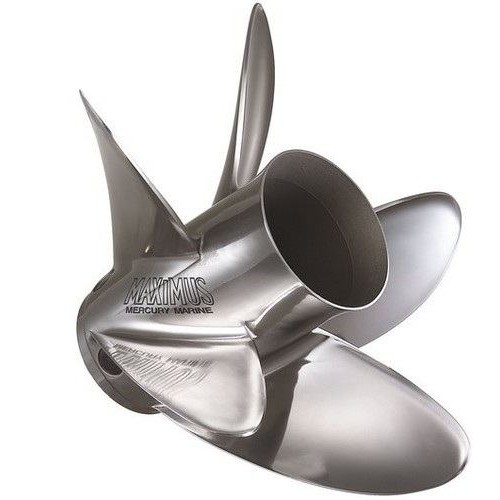
Mercury Maximus 5 Blade Performance Propeller
€984.00
Description
Mercury Maximus 5 Blade Performance Propeller
Precision Engineering That Redefines On-Water Performance
When performance expectations rise, propeller choice becomes decisive. The Mercury Maximus 5 blade performance propeller has been engineered for boaters who demand confident acceleration, unwavering control, and consistent efficiency across demanding marine conditions. Rather than relying on incremental improvements, this propeller introduces a purpose-built design philosophy that balances power delivery, hydrodynamic efficiency, and long-term durability.
Because modern boaters operate across varied loads, speeds, and water conditions, a single-dimensional propeller solution is rarely sufficient. Consequently, the Mercury Maximus platform was developed to serve a broad range of recreational, professional, and performance-focused users—without compromising reliability or inclusivity.
Engineered for Consistent Power and Predictable Handling
Why Five Blades Matter in Performance Applications
Traditional three-blade designs prioritize top-end speed. However, real-world boating increasingly favors control, mid-range power, and smooth handling. For that reason, the Mercury Maximus 5 blade performance propeller adopts a five-blade configuration that redistributes thrust more evenly throughout the rotation cycle.
As a result, propulsion remains steady even during sharp maneuvers, heavy loads, or turbulent water. Moreover, blade overlap has been optimized to reduce ventilation while maintaining efficient water flow. This balance supports confident throttle response without sudden RPM spikes.
Key hydrodynamic advantages include:
-
Improved holeshot under load
-
Reduced cavitation during tight turns
-
Smoother mid-range cruising
-
Enhanced grip in rough or aerated water
Because power is transferred more progressively, boaters experience predictable handling rather than abrupt surges.
Designed for Today’s Diverse Boating Community
Inclusive Performance Across Use Cases
Rather than targeting a narrow performance niche, the Mercury Maximus series was created with inclusivity in mind. Whether you operate a family cruiser, a tournament fishing boat, or a performance-oriented offshore setup, this propeller adapts effectively.
Importantly, inclusive engineering ensures that:
-
Experienced captains gain precise control
-
Newer boaters feel confident at the helm
-
Mixed-use vessels perform consistently across activities
Consequently, performance is no longer reserved for specialists alone.
Advanced Stainless Steel Construction
Strength Where It Matters Most
Durability remains a critical concern in performance boating. Therefore, the Mercury Maximus 5 blade performance propeller utilizes premium stainless steel alloys that resist flex under load. Because blade rigidity directly impacts thrust efficiency, maintaining shape integrity under stress is essential.
Unlike lower-grade alternatives, this propeller:
-
Maintains pitch accuracy at high RPM
-
Resists edge deformation
-
Reduces long-term vibration fatigue
As a result, performance remains stable over time rather than degrading after extended use.
Hydrodynamic Optimization for Real-World Conditions
Balanced Lift, Reduced Drag, Enhanced Control
Every blade profile has been computationally refined to manage water flow efficiently. Rather than maximizing lift at the expense of stability, the Maximus design distributes pressure evenly across each blade surface.
Because drag is minimized without sacrificing thrust, fuel efficiency improves during cruising phases. Meanwhile, lift characteristics support stern stability during acceleration, which enhances driver confidence.
Hydrodynamic benefits include:
-
Reduced slip during hole shot
-
Lower steering torque
-
Improved trim response
-
Smoother deceleration behavior
Therefore, control remains intuitive across changing speeds and sea states.
Performance That Translates to Measurable Results
What Boaters Notice Immediately
Upon installation, most users report noticeable improvements within the first minutes on the water. Acceleration becomes smoother, steering inputs feel more connected, and vibration levels drop significantly.
Rather than chasing marginal speed gains alone, this propeller focuses on usable performance—the type that improves every outing.
Immediate user-perceived gains:
-
Faster planing with heavy gear
-
Reduced bow rise on takeoff
-
Stable tracking during aggressive turns
-
Consistent RPM range under varying loads
Because these benefits align with everyday boating realities, satisfaction remains high across user segments.
Built to Integrate Seamlessly with Mercury Systems
As part of the broader performance ecosystem supported by Mercury Marine, the Maximus propeller aligns with modern outboard and sterndrive setups. Compatibility considerations include hub systems, torque transfer, and engine harmonics.
Consequently, installation remains straightforward while performance tuning options stay flexible.
Mercury Maximus 5 Blade Performance Propeller — Key Advantages
-
Five-blade stainless steel performance design
-
Enhanced acceleration and mid-range control
-
Reduced cavitation and ventilation
-
Smooth, predictable handling
-
Durable construction for long-term reliability
-
Optimized for varied boating applications
-
Inclusive performance for recreational and professional users
Setting the Foundation for Next-Level Performance
This first section establishes why the Mercury Maximus 5 blade performance propeller stands apart in a crowded performance market. By combining hydrodynamic intelligence, material strength, and inclusive usability, it delivers benefits that extend beyond raw speed.
Fuel Efficiency, Durability, and On-Water Comfort Advantages
Performance is only valuable when it remains sustainable over time. For that reason, the Mercury Maximus 5 blade performance propeller was engineered not only to deliver immediate gains, but also to reduce operating costs, extend service life, and improve overall onboard comfort. Rather than treating efficiency and durability as secondary benefits, this design integrates them as core performance outcomes.
As boating usage becomes more diverse and fuel-conscious, these attributes carry increasing importance for inclusive ownership experiences.
Fuel Efficiency Without Compromising Power
How Five Blades Improve Energy Utilization
Fuel efficiency is often associated with conservative setups. However, intelligent hydrodynamics can improve efficiency while preserving responsiveness. Because this propeller distributes thrust across five blades, wasted energy from slip and turbulence is reduced.
As a result, more engine output translates directly into forward motion.
Efficiency-enhancing characteristics include:
-
Reduced propeller slip at cruising speeds
-
Smoother power transfer during acceleration
-
Lower RPM requirements to maintain plane
-
More stable trim angles under load
Consequently, fuel burn becomes more predictable across varied operating conditions.
Consistent Efficiency Across Speed Ranges
From Low-Speed Maneuvering to Extended Cruising
Efficiency gains are not limited to one speed band. During low-speed operation, blade overlap maintains water engagement, reducing throttle input needs. At mid-range cruise, drag reduction allows sustained speeds at lower RPM. Even at higher speeds, balanced blade geometry prevents efficiency drop-off.
Because efficiency is distributed across the operating envelope, operators experience:
-
Longer cruising range
-
Reduced refueling frequency
-
Lower per-hour operating costs
Therefore, performance boating becomes more economical rather than more expensive.
Long-Term Durability by Design
Corrosion Resistance and Structural Integrity
Marine environments expose equipment to salt, debris, and repeated stress cycles. For that reason, the Mercury Maximus 5 blade performance propeller employs high-grade stainless steel alloys engineered for corrosion resistance and fatigue strength.
Unlike softer metals, stainless steel maintains its shape under repeated load. Because blade flex is minimized, hydrodynamic accuracy remains intact over time.
Durability advantages include:
-
Resistance to saltwater corrosion
-
Reduced risk of blade deformation
-
Longer service intervals
-
Sustained performance consistency
As a result, lifecycle value improves significantly.
Impact Resistance and Edge Protection
Built for Real-World Conditions
While no propeller is immune to impact, design choices can reduce damage severity. Reinforced blade edges and optimized thickness profiles improve resilience when encountering debris or minor obstructions.
Because damage propagation is limited, small impacts are less likely to compromise overall performance. Consequently, downtime and repair costs are reduced.
Noise and Vibration Reduction
Comfort That Enhances Every Trip
Noise and vibration fatigue both crew and equipment. Therefore, vibration control was prioritized during development. Because five blades create more frequent water engagement points, rotational pulses are smoother.
This smoother rotation leads to:
-
Reduced harmonic vibration
-
Lower audible propeller noise
-
Less steering feedback fatigue
-
Improved comfort during long runs
As a result, conversations remain easier and overall enjoyment improves.
Improved Handling Comfort and Driver Confidence
Predictability That Reduces Cognitive Load
Handling comfort extends beyond physical sensation. Predictable response reduces the mental effort required to operate a vessel. Because thrust delivery remains consistent, operators spend less time correcting trim or throttle input.
This benefit supports:
-
Safer maneuvering in crowded waterways
-
Reduced stress during docking
-
Greater confidence for newer operators
Therefore, the boating experience becomes more inclusive and accessible.
Environmental Considerations
Efficiency That Supports Responsible Boating
Improved fuel efficiency contributes directly to lower emissions. While performance remains the focus, responsible operation aligns with modern boating expectations.
Because engines operate more efficiently:
-
Fuel consumption decreases
-
Exhaust output is reduced
-
Environmental impact is minimized over time
Thus, performance and responsibility coexist rather than conflict.

Blade Geometry, Pitch Optimization, and Load-Adaptive Performance
Performance propellers succeed or fail at the level of geometry. While materials and branding matter, true gains emerge from how water is engaged, redirected, and released. For that reason, the Mercury Maximus 5 blade performance propeller has been engineered with highly refined blade geometry that converts engine output into controlled, repeatable thrust.
Rather than focusing on a single operating range, this design adapts dynamically across speeds, loads, and trim angles. Consequently, boaters benefit from performance that remains dependable instead of situational.
Advanced Blade Geometry Explained
How Shape Influences Thrust and Control
Each blade on the Mercury Maximus propeller has been sculpted using hydrodynamic modeling rather than traditional trial-and-error shaping. Because water behaves differently at varying speeds, blade curvature changes progressively from root to tip.
This approach ensures that:
-
Water remains attached to the blade surface longer
-
Pressure distribution stays balanced
-
Energy loss through turbulence is minimized
As a result, thrust delivery feels linear instead of abrupt.mercruiser marine engine parts
Progressive Blade Cup Design
Blade cupping plays a decisive role in lift and ventilation resistance. In this propeller, cupping increases gradually toward the trailing edge. Therefore, bite is improved at lower speeds while high-RPM stability remains intact.
Importantly, progressive cupping:
-
Enhances acceleration under load
-
Reduces blowout in tight turns
-
Stabilizes trim at higher speeds
Because lift is controlled rather than exaggerated, handling stays predictable.
Pitch and Diameter Optimization
Matching Engine Output to Water Conditions
Pitch selection determines how far a propeller moves forward with each rotation. Diameter, on the other hand, dictates how much water is displaced. The Mercury Maximus 5 blade performance propeller balances both variables to support real-world boating demands.
Rather than forcing operators to choose between acceleration and efficiency, this propeller narrows the compromise.
Optimized pitch characteristics deliver:
-
Strong low-end torque transfer
-
Stable cruising RPM ranges
-
Reduced over-revving risks
Meanwhile, diameter sizing ensures sufficient blade area for grip without introducing unnecessary drag.
RPM Stability Across Operating Ranges
Consistency That Protects Engines and Improves Comfort
Fluctuating RPM can stress drivetrains and diminish operator confidence. Therefore, RPM stability was prioritized during development.mercruiser marine engine parts
Because five blades engage water more frequently than three-blade designs, rotational gaps are reduced. Consequently, power delivery becomes smoother and RPM fluctuations are minimized.
Benefits of RPM stability include:
-
Improved engine longevity
-
Reduced vibration at cruise
-
More accurate trim adjustments
-
Consistent fuel consumption patterns
As a result, long-distance operation feels less fatiguing for both crew and equipment.
Load Handling Without Performance Degradation
Confidence Under Heavy or Variable Loads
Many boats operate under changing conditions—full fuel tanks, additional passengers, fishing gear, or towing requirements. Under these circumstances, standard propellers often lose efficiency.
In contrast, the Mercury Maximus 5 blade performance propeller maintains grip when load increases. Because blade surface area is distributed across five contact points, thrust remains available even when resistance rises.
Load-adaptive advantages include:
-
Faster planing with added weight
-
Reduced bow rise during acceleration
-
Maintained steering authority at low speeds
-
Improved reverse thrust control
Therefore, performance remains consistent regardless of payload variations.
Reduced Ventilation and Cavitation
Cleaner Water Flow Through Intelligent Design
Ventilation occurs when air is drawn into the blades, while cavitation forms vapor bubbles that collapse against metal surfaces. Both phenomena reduce efficiency and accelerate wear.
This propeller mitigates these risks through:
-
Optimized blade spacing
-
Controlled leading-edge thickness
-
Balanced rake angles
Because water flow remains attached and orderly, efficiency is preserved while noise and vibration are reduced.
Real-World Performance Scenarios
From Acceleration to High-Speed Cruising
Performance improvements are most valuable when they translate into tangible outcomes. During acceleration, the propeller delivers firm bite that brings the hull onto plane quickly. At cruising speeds, drag reduction supports fuel efficiency and smooth operation. During aggressive maneuvers, blade overlap ensures continuous grip.
Mercury Maximus 5 blade Performance across scenarios includes:
-
Confident hole shot for towing or offshore starts
-
Stable cruise for extended runs
-
Reliable grip during evasive or tactical maneuvers
-
Controlled deceleration approaching docks or shallow areas
Because behavior remains predictable, operators can focus on navigation rather than compensation.
Mercury Maximus 5 blade Blade Geometry & Performance Optimization
-
Precision-engineered five-blade geometry
-
Progressive cupping for improved bite
-
Optimized pitch and diameter balance
-
Stable RPM across speed ranges
-
Superior load-handling capability
-
Reduced cavitation and ventilation
-
Smooth, controlled power transfer
Why Geometry Matters More Than Marketing Claims
While many propellers advertise performance, few invest as heavily in hydrodynamic refinement. The Mercury Maximus 5 blade performance propeller demonstrates that measurable gains come from engineering discipline rather than exaggerated specifications.
By aligning blade shape, pitch, and diameter with real-world usage, this propeller delivers performance that remains reliable instead of theoretical.
Compatibility, Applications, and Intelligent Propeller Selection
Performance gains achieve their full value only when a propeller integrates seamlessly with the vessel, engine, and intended use. For that reason, the Mercury Maximus 5 blade performance propeller was designed with broad compatibility and application-specific adaptability. Rather than forcing a narrow performance profile, this propeller supports a wide spectrum of boating styles, power configurations, and operational priorities.
As boating communities become increasingly diverse, this versatility ensures inclusive performance outcomes across experience levels and vessel types.
Engine and Drive Compatibility
Designed to Integrate with Modern Power Systems
Compatibility begins at the drivetrain. The Mercury Maximus propeller has been engineered to align with contemporary outboard and sterndrive platforms, particularly those produced by Mercury Marine. Hub system compatibility, torque transfer efficiency, and rotational balance were all addressed during development.
As a result, installation remains straightforward while performance tuning remains flexible.
Compatibility advantages include:
-
Integration with Mercury hub systems
-
Stable torque transmission under load
-
Reduced drivetrain vibration
-
Consistent alignment at operating RPM
Because system harmony is preserved, performance benefits are realized without mechanical compromise.
Boat Type Applications
Performance Tailored to Real-World Use Cases
Rather than excelling in a single scenario, the Mercury Maximus 5 blade performance propeller adapts across multiple boating applications.
Fishing and Angling Vessels
For fishing boats, low-speed control and quick planing are critical. This propeller delivers steady thrust during trolling while maintaining rapid acceleration when repositioning.
Benefits include:
-
Improved station-keeping
-
Reduced bow rise with livewells full
-
Smooth low-speed throttle response
Offshore and Coastal Boats
In offshore environments, grip and stability matter more than theoretical top speed. Five-blade engagement ensures consistent propulsion in choppy or aerated water.
Advantages include:
-
Maintained thrust in rough conditions
-
Confident handling during turns
-
Reduced ventilation at speed
Recreational and Family Boats
Comfort and predictability define recreational boating. This propeller supports smooth acceleration, quiet cruising, and stress-free handling.
Outcomes include:
-
Easier docking maneuvers
-
Improved passenger comfort
-
Reduced operator fatigue
Installation and Setup Considerations
Proper Fitment for Optimal Results
Propeller installation is not merely a mechanical task; it is a performance decision. Correct sizing ensures that the propeller operates within the engine’s optimal RPM range.
When selecting the Mercury Maximus propeller, key considerations include:
-
Engine horsepower rating
-
Boat weight and load patterns
-
Typical operating speed range
-
Intended usage (towing, cruising, performance)
Because the design tolerates load variation well, precise tuning becomes easier rather than restrictive.
Propeller Sizing Guidance
Mercury Maximus 5 blade Pitch and Diameter Selection Strategy
Selecting the correct pitch ensures efficient power delivery. Lower pitch favors acceleration, while higher pitch supports cruising efficiency. Diameter selection influences grip and lift characteristics.Mercury Maximus 5 blade
With the Mercury Maximus 5 blade performance propeller, the margin for error narrows due to its adaptable geometry. Therefore, minor variations in setup still produce favorable results.
This flexibility benefits:
-
Mixed-use vessels
-
Operators transitioning from three-blade designs
-
Boats with variable passenger or gear loads
Comparative Advantage Over Traditional Designs
Why Five Blades Offer Broader Usability
Three-blade propellers often deliver peak speed under ideal conditions. However, those conditions are rarely consistent. By contrast, five-blade designs prioritize usable performance across conditions.Mercury Maximus 5 blade
Comparative advantages include:
-
Improved low-speed control
-
Enhanced mid-range efficiency
-
Reduced vibration
-
Better handling in adverse water
Therefore, performance becomes more accessible rather than situational.
Buyer Decision Framework
Who Benefits Most from This Propeller
The Mercury Maximus 5 blade performance propeller aligns particularly well with:
-
Boaters seeking smoother handling
-
Operators carrying variable loads
-
Users prioritizing efficiency and comfort
-
Mixed-experience crews
-
Performance enthusiasts valuing control
Because benefits scale with real-world usage, return on investment remains high across ownership profiles.
Compatibility and Use-Case Benefits
-
Broad engine and drive compatibility
-
Adaptable across fishing, offshore, and recreational boats
-
Straightforward installation and tuning
-
Forgiving setup characteristics
-
Superior handling in varied conditions
-
Inclusive performance for diverse boating needs
Additional information
| Diameter (inches): | 15.00, 15.25, 15.625 |
|---|---|
| Pitch (inches): | 22.3, 22.5, 23, 23.5, 24, 34 |
| Rotation | RH, LH |
Related products
-
Enertia Propeller
€530.00Select options This product has multiple variants. The options may be chosen on the product page -
Mercury Marine Fury Propeller
€520.00Select options This product has multiple variants. The options may be chosen on the product page -
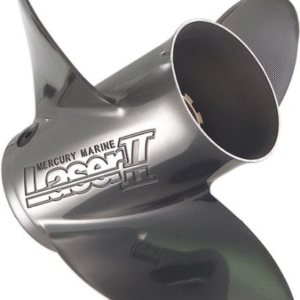
Mercury Marine Laser II propeller
€330.00Select options This product has multiple variants. The options may be chosen on the product page -
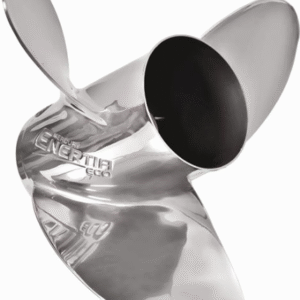
Enertia Eco Propellers
€613.00Select options This product has multiple variants. The options may be chosen on the product page
Reviews
There are no reviews yet.